
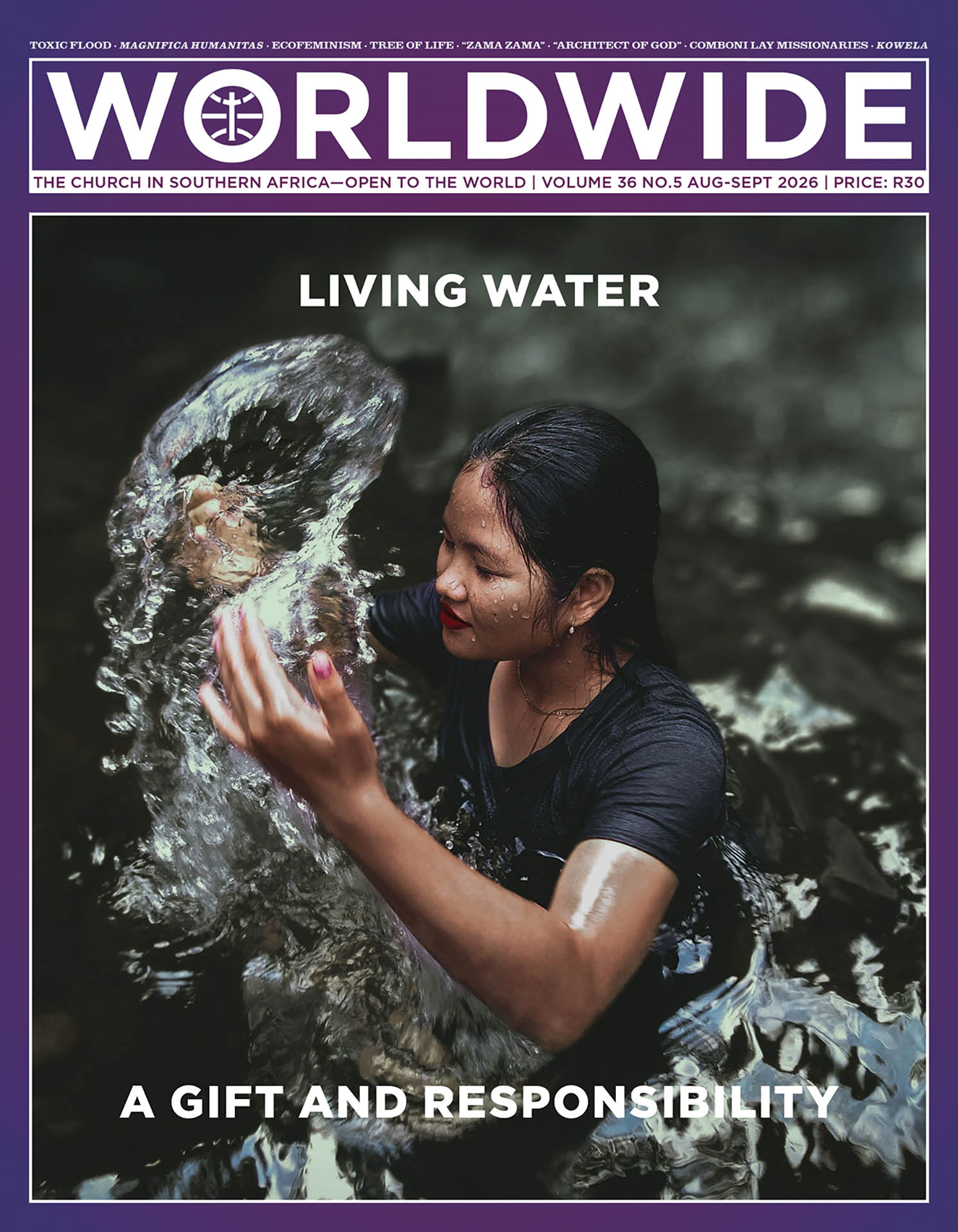
LIVING WATER
Every act of care for creation becomes part of a global stream of hope.
The cover page is inspired by the 2026 Season of Creation theme. In this season, our hope is that “Christians would be immersed in the living water flowing from the throne of God, stepping in deeper and deeper, inspired by the Spirit of God, working together for the renewal of Creation”
(Cf seasonofcreation.org).
THE LAST WORD
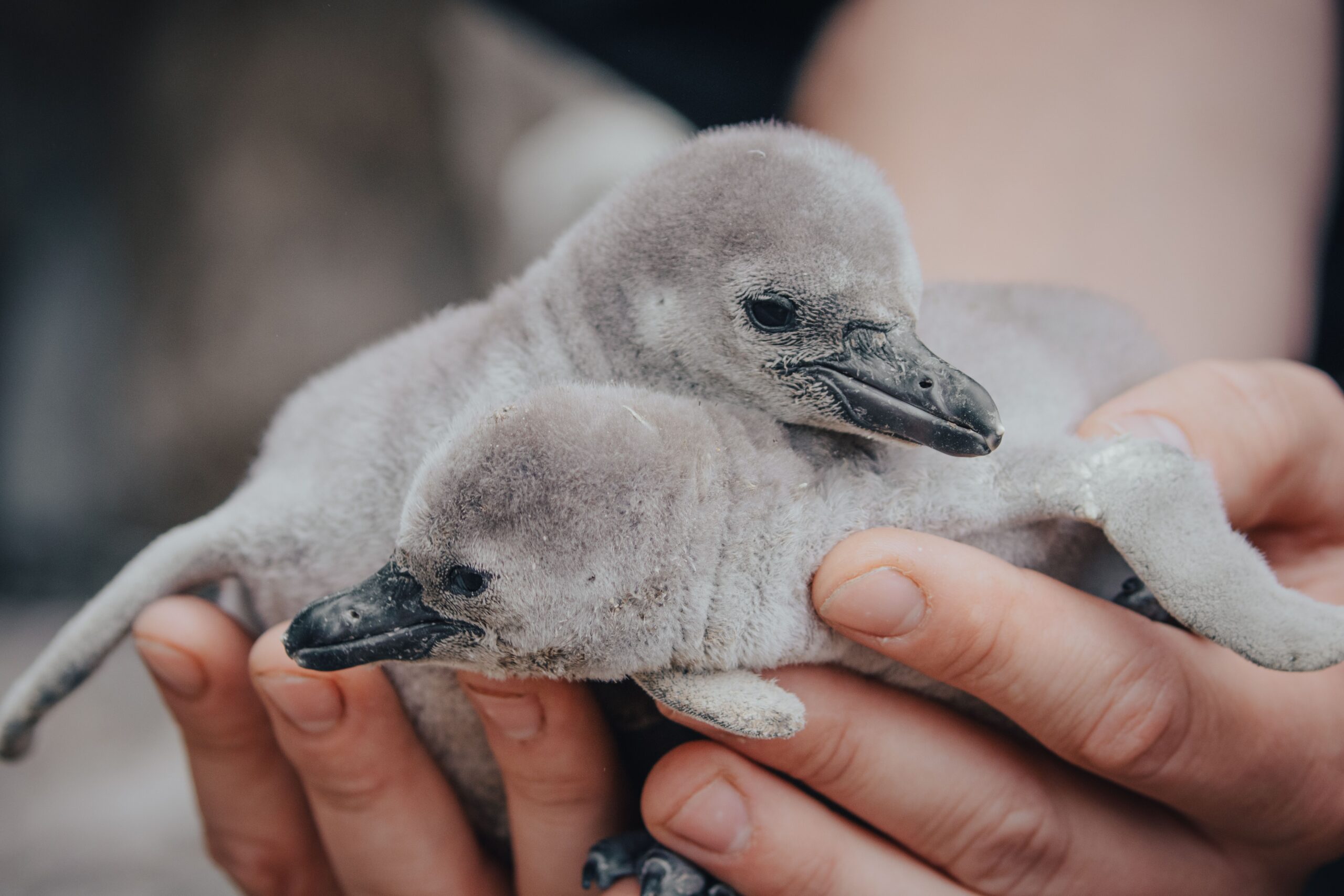
Care for the Environment Is Care for the Dignity of Humanity
“Each of us is called to recognize that we are part of God’s magnificent humanity and that we all have a role to play in building the civilization of love” (cf. laudatosimovement.org).
BY Rev Dr Antony Situma | Scripture Lecturer, St Matthias Mulumba Senior Seminary Tindinyo, Kenya
“GOD SAW everything that he had made, and behold it was very good” (Genesis 1:31).
At the helm of the creative work, God granted man the responsibility for the created realities, not merely as caretakers but as co-creators. Environmental stewardship, therefore, is not secondary to the concrete expression of faith. God is encountered not only in intimacy, but also in the contemplation of creation, which bears a sign of his mystery (cf. Ps 19).
As guardians of creation, humans may not exploit creation nor manipulate it for personal gains but must instead protect it as God’s gift which ‘was very good’. Accordingly, that ‘very good’ that God has created has to be protected by the human person, who will in turn benefit from the same created realities. Thus, a true ecological concern must always become a social concern. The extinction of plant and animal species caused by humanity changes the ecosystem and has adverse consequences for the very dignity of the human person. As such, the human person is called on to respond to that original vocation to take care of the richly biodiverse realities to maintain the equilibrium of the ecosystem and therefore of life. In this way, the dignity of humanity shall also be upheld.
The ecological conversion that has been mentioned in Laudato Si’ demands that current development models must adequately consider the vital tenets of Christian anthropology whereby the importance of interpersonal relations and the protection of all human life is given a priority; and that the analysis of environmental problems should always be connected to that in-depth analysis of the existing interrelationships between the human persons, the family/community, and work.
“All creation groans together as it suffers the pains of labour” (Romans 8:22).
The degree of human intervention in the ecological situation, often in the service of capitalistic interests and consumerism, has made the earth poorer and less beautiful. An integral ecology demands the recognition that the human person is linked by unseen bonds to God, to his or her neighbours and to all created realities. The primordial human vocation concerns caring, protecting, overseeing, and preserving creation, which eventually favors the abundance of human life.
Pope Leo’s encyclical Magnifica Humanitas is concerned with safeguarding humanity in the age of Artificial Intelligence, a continuation of Pope Francis’ vision of integral ecology. Technological, social, ecological, and spiritual crises are inherently interconnected. An ecological concern grounded in a relationship of mutual responsibility between human beings and nature will eventually break the cycle of violence, exploitation, and selfishness that retards integral human development. Accordingly, technology must serve humanity and creation. This calls for efforts to ‘disarm’ Artificial Intelligence and to recognize the ecological consequences of its infrastructure. Through the rediscovery of embodied relationships, humanity shall recognize and admire the beauty of creation (cf. Ps 8) and understand why it groans as it awaits salvation. The ultimate end of the created realities is intertwined with the spiritual adoption and glorification of God’s children (cf. Rev 21:1-4). Technological development in the created world should be accompanied by growth in human responsibility, values, and conscience.
Reflection Questions
- How do I appreciate God for the beauty of the natural environment and of fellow human beings?
- What concrete steps can I take to preserve the dignity of humanity while caring for the environment?
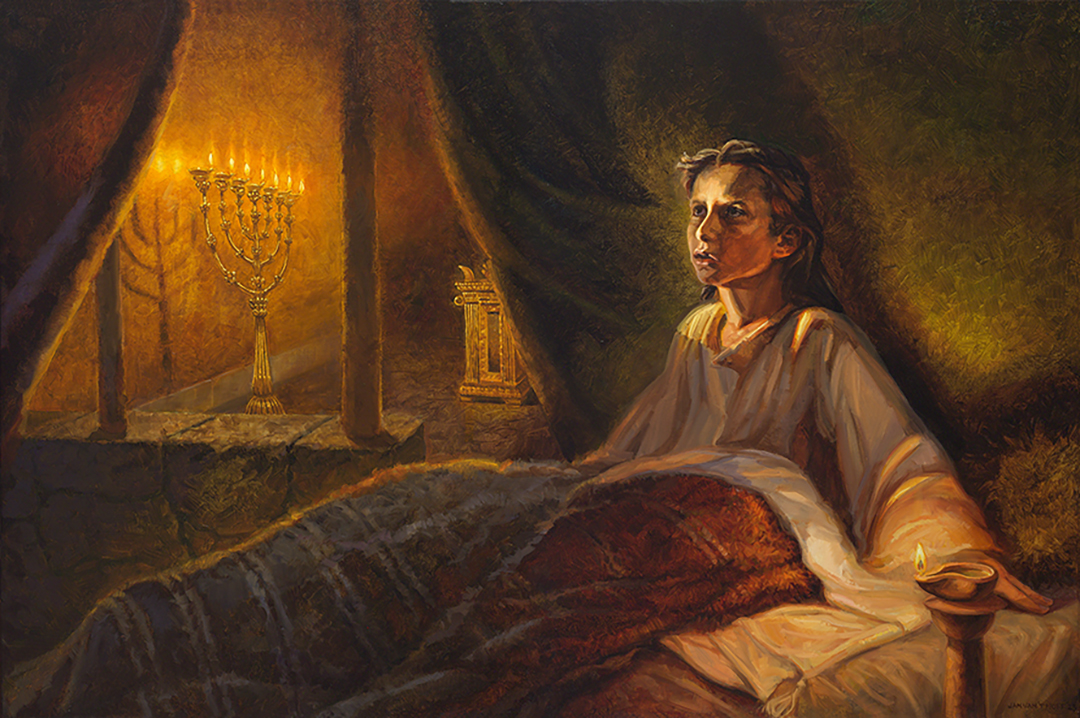
The Old and the Young: A Reciprocal Response to God’s Call
“The LORD called Samuel a third time, and Samuel got up and went to Eli and said, ‘Here I am; you called me.’ Then Eli realized that the LORD was calling the boy” (1Sam 3:8).