
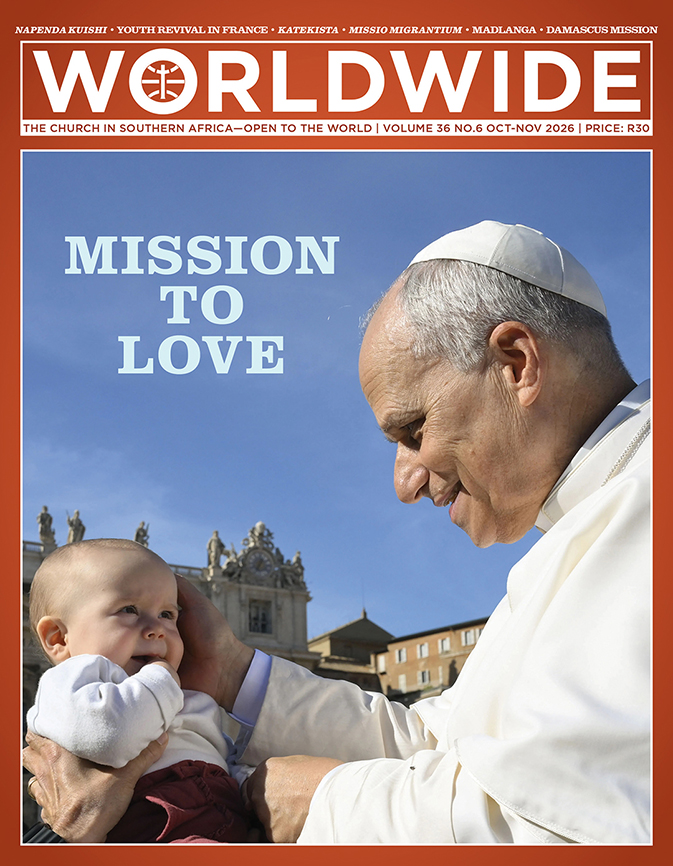
MISSION TO LOVE
Pope Leo XIV smiles while blessing a baby in St Peter’s Square—a gesture reflecting his closeness to the “little ones.” In his message for the centenary of World Mission Day in 2026, the Pontiff emphasizes: “The mission of the disciples and the Church as a whole is to continue the mission of Christ in the Holy Spirit: a mission born of love, lived in love, and leading to love” (§ 3).
Photo Credit: Francesca Pollio Fenton/aciafrica.org
Challenges • ETHIOPIA’S NEW SHEPHERD
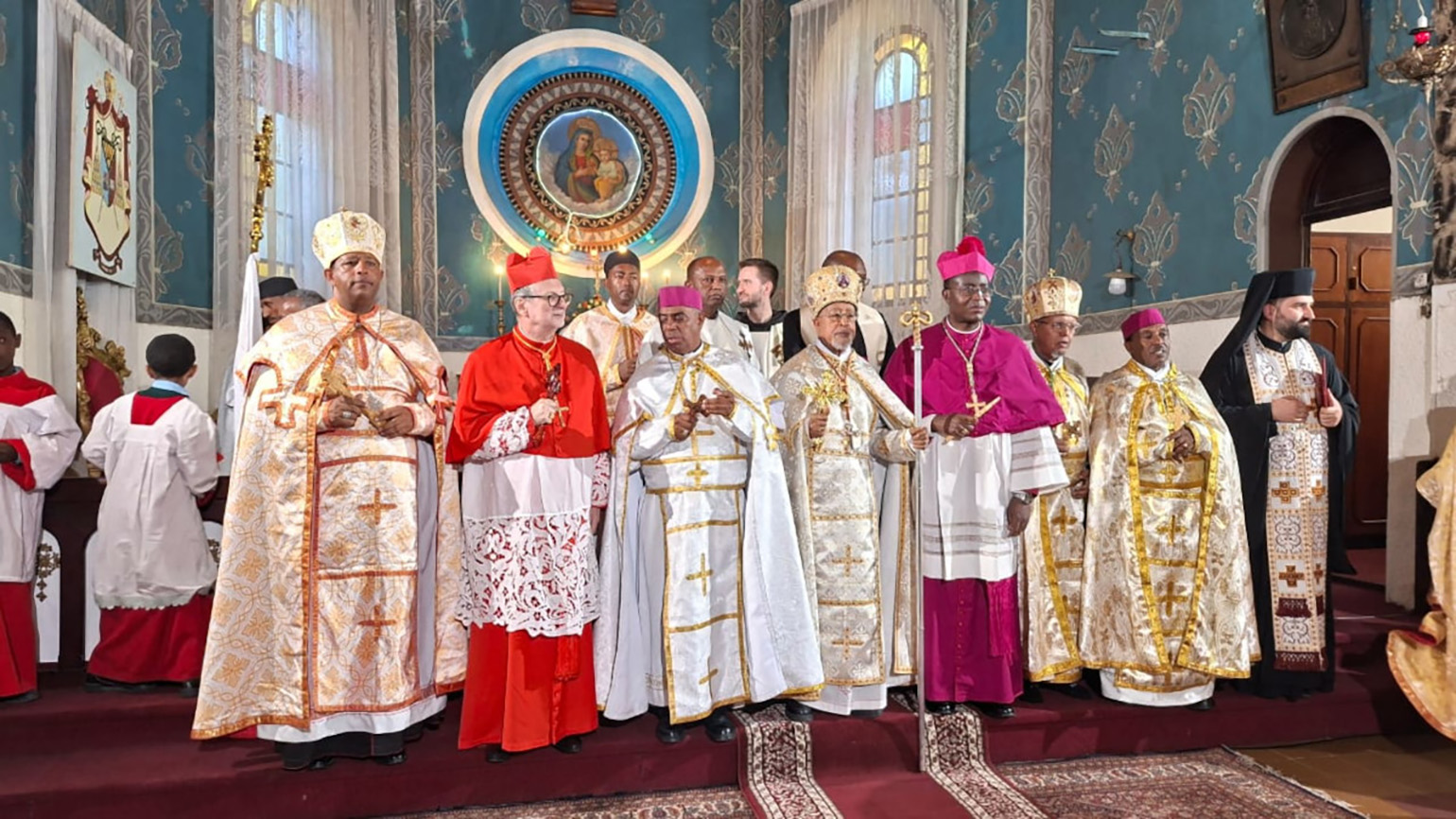
“I HAVE GREAT CONFIDENCE IN THE FUTURE”
In this interview, the newly appointed Archbishop of Addis Ababa shares his views regarding social and economic issues in the country, highlighting the hopes and priorities of the Church in a fast-moving society.
BY FR GIUSEPPE CAVALLINI MCCJ
IN RECENT YEARS, Addis Ababa has undergone a profound urban transformation: wide roads, and wherever one looks, one sees hundreds of newly built or under-construction buildings and skyscrapers—part of a construction frenzy where scaffolding and mobile cranes are constantly in motion everywhere. At night, the city center comes alive with a spectacular display of buildings and streets illuminated as brightly as day—a level of opulence reminiscent of Western metropolises or those in the Persian Gulf. Yet, behind these glittering evening lights lies the heavy price paid by many who have fallen into destitution—a reality little known outside Ethiopia. Suffice it to say that the local currency, the Birr—which until a few years ago traded at 100 to the Euro—has seen its value plummet further, with one Euro now worth approximately 200 Birrs. Inflation and unsustainable food prices threaten to plunge millions of people into starvation.
These conditions were courageously highlighted by the Ethiopian bishops in a document issued at the end of 2025. In it, they list numerous challenges: the cost of living, which has become unsustainable for thousands of families; the effects of climate change—including persistent droughts and environmental degradation—that call for ecological conversion and collective action; the confusion and cultural disintegration caused by tribal conflicts, ethnic hatred, and divisive ideologies that threaten to tear apart the national fabric; the negative influence of social media, which endangers collective identity; and the new culture shaped by digitalization, which is sweeping away traditional values.
“We are painfully aware of the turmoil that has gripped our nation in recent years”, decry the bishops in their statement. “The echoes of war resound in our hearts and homes, reminding us of the suffering endured by our brothers and sisters. The conflicts that have arisen—whether political, economic, or social—have left many in fear and uncertainty. The lack of security in many regions of Ethiopia is a grave concern that cannot be ignored. t Having said that, the bishops also describe the country’s potential and positive aspects: agricultural productivity (where conflict is absent) and export diversification; digital transformation alongside the growth of domestic fintech platforms; vibrant private-sector engagement; and ecological initiatives coupled with economic self-sufficiency.
“…Families are being torn apart, communities fragmented, and the spirit of unity that once defined us is under siege.”
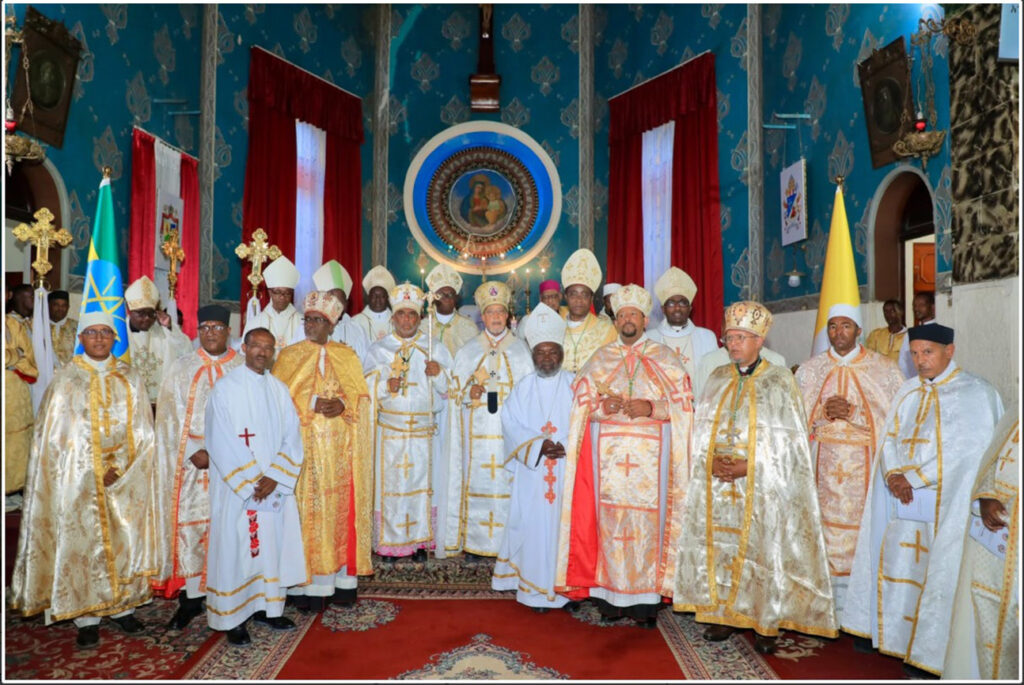
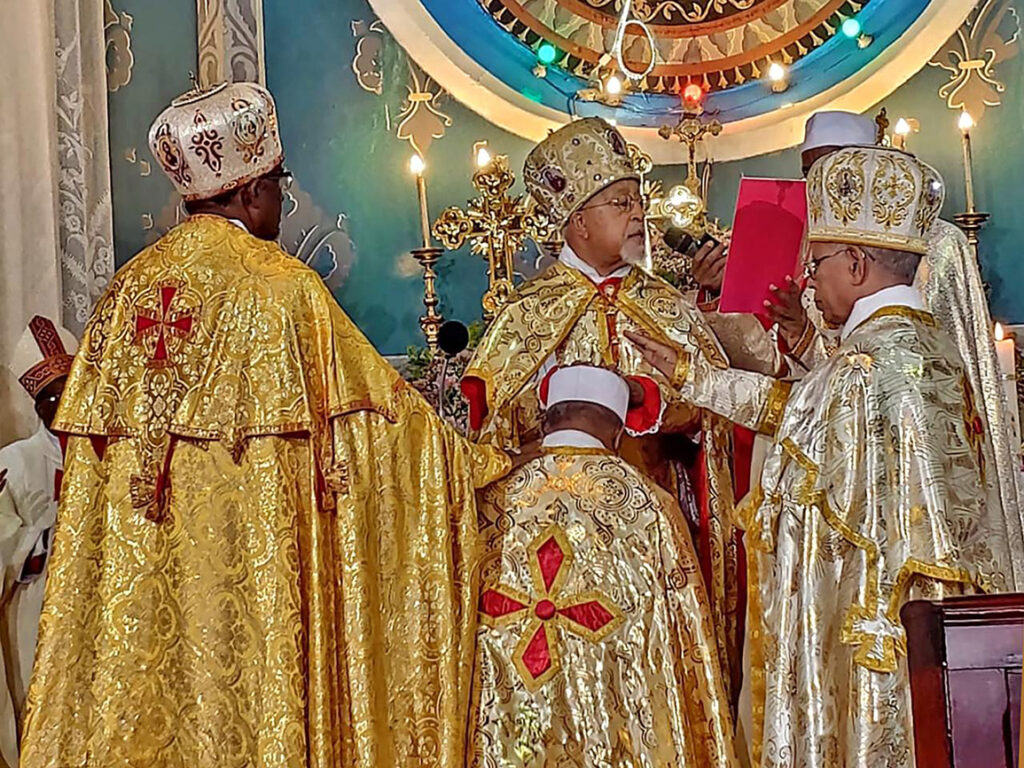
It is within this complex context that the Catholic Church operates, led today by Monsignor Tesfaye (Tesfasilasie) Tadesse Gebresilasie, who was installed as the new Archbishop of Addis Ababa on September 6, 2026.
After serving for 17 years as an assistant on the General Council and as Superior General of the Comboni Missionaries, Abune Tesfasilasie left Rome in November 2024; he was appointed Auxiliary Bishop of the Addis Ababa Archdiocese on February 2, 2025. Abune Tesfasilasie has shared his concern regarding the country’s many challenges with his fellow bishops—concerns courageously articulated in the document published following the most recent Bishops’ Conference. Together with other prelates, he has not hesitated to level serious criticism against political actors who seem more interested in consolidating and promoting their own interests and power than in working for the common good.
Being appointed Metropolitan Archbishop of Addis Ababa and head of the Catholic Church in Ethiopia at just 56 years of age came as a surprise to many. How do you interpret this appointment?
From a young age, I attended the Holy Saviour Parish run by the Capuchin Friars, and I always harbored a desire to dedicate my life to the service of the Church and the poor. This aspiration came to fruition through my encounters with the Comboni missionaries who would come to celebrate Sunday Mass at my parish. Their example and their passion for proclaiming the Gospel and the missionary calling gradually drew me in, until the day I finally shared my intention to join the Institute. I have worked joyfully within the Institute—both in the mission field and in leadership roles—striving to do my utmost to meet the needs and tackle the daunting challenges that arose. I never felt alone or discouraged, for I always had capable colleagues by my side, ready to offer encouragement and support in every situation.
Did you find the transition from head of the Institute to shepherd of the Church in Addis Ababa difficult, given the very different challenges and issues compared to your time in Rome as Superior General?
One aspect I sometimes found challenging was the difficulty of not being able to experience the communal life that I had always considered fundamental to my ministry as head of the Institute. The lifestyle underpinning our work—whether pastoral or in a position of authority within the Institute—was rooted in community, affecting everything from liturgical acts to the organization of tasks. Episcopal ministry, by contrast, often entails a degree of isolation and implies fewer opportunities to live in a communal way with the confreres and priests who collaborate with me.
What changes did you find upon returning to Ethiopia after so many years? What are the main challenges?
In the year and a half since my return, I have seen a country radically transformed in terms of urban development, though less so in rural areas. Internal migration to the cities is very evident. People are moving from the countryside to urban centers—both Addis Ababa and other regions—in search of work and a better life. As we noted following our Bishops’ Conference at the end of last year, there are several causes for concern: very difficult living conditions; a trend toward a society where a minority grows wealthy while a vast majority is left behind; persistent low-intensity conflicts; the temptation to resolve ethnic or territorial disputes through violence; and tendencies toward centralization. The Church needs to pay special attention to young Catholics moving to large cities; they often feel adrift and lack the points of reference that would facilitate their integration. “The lack of security across all regions of Ethiopia is a grave concern that cannot be ignored. Families are being torn apart, communities fragmented, and the spirit of unity that once defined us is under siege,” the bishops wrote.
The Catholic Church continues to grow, particularly in the vicariates and eparchies.
Considering this, how do you view the current situation of the Catholic Church at the national level?
The Catholic Church continues to grow, particularly in the vicariates and eparchies. The Apostolic Vicariate of Awassa is the largest, thanks to the work carried out over decades of evangelization by Comboni missionaries, Comboni sisters, and others. Although the country’s population growth rate outpaces the number of new baptisms, the Church is seeing growth in vocations, infrastructure, and participation in the country’s development. There is no shortage of challenges, however, such as resource mobilization, personnel training, and issues related to projects and government regulations—including the matter of permits for foreign missionaries.
According to UN data, Ethiopia is approaching a population of 140 million, making it the second-most populous country in Africa after Nigeria. Given that young people make up most of the population, how do you intend to address this major challenge from a pastoral perspective?
Millions of young people flock to the cities to complete their studies and then seek their fortunes, often abroad. Education remains an absolute priority—with the Church managing hundreds of schools at all levels, 42 of them in Addis Ababa alone. The government appreciates our openness to welcoming students without discrimination based on language, culture, ethnicity, or religion. I see two pastoral priorities: youth and the family. I have noticed an increase in recent years in cases of divorce, separation, and family breakdown. We must promote the family as a “domestic Church” founded on Gospel values, so that it becomes a place where vocations serving the Christian community and the poor can emerge. I have great confidence in the future, given that the deep Christian roots of the Ethiopian Church, the liturgical life, and the richness of the spiritual tradition of the ancient Orthodox Church remain very much alive and animate the lives of most Ethiopians.
Source: Nigrizia
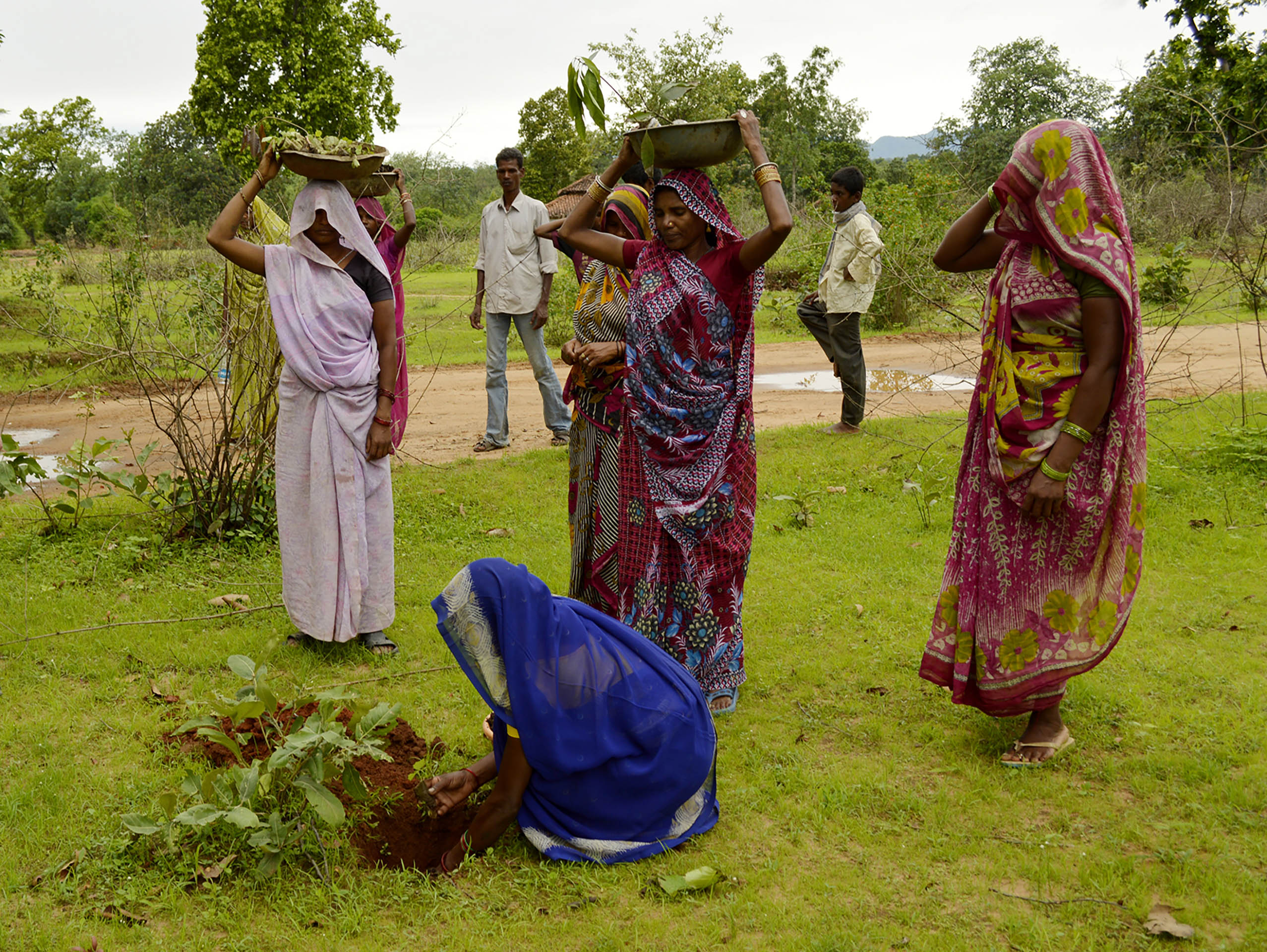
Ecofeminism in Action: How the Church Is Nurturing Women, Justice and Care for Our Common Home
In this article, the author presents ecofeminism as lived action. She explores how the Church weaves justice, care for creation, and women’s empowerment into its mission – showing how faith and feminism together nurture our common home.