
WORK AND HUMAN DIGNITY
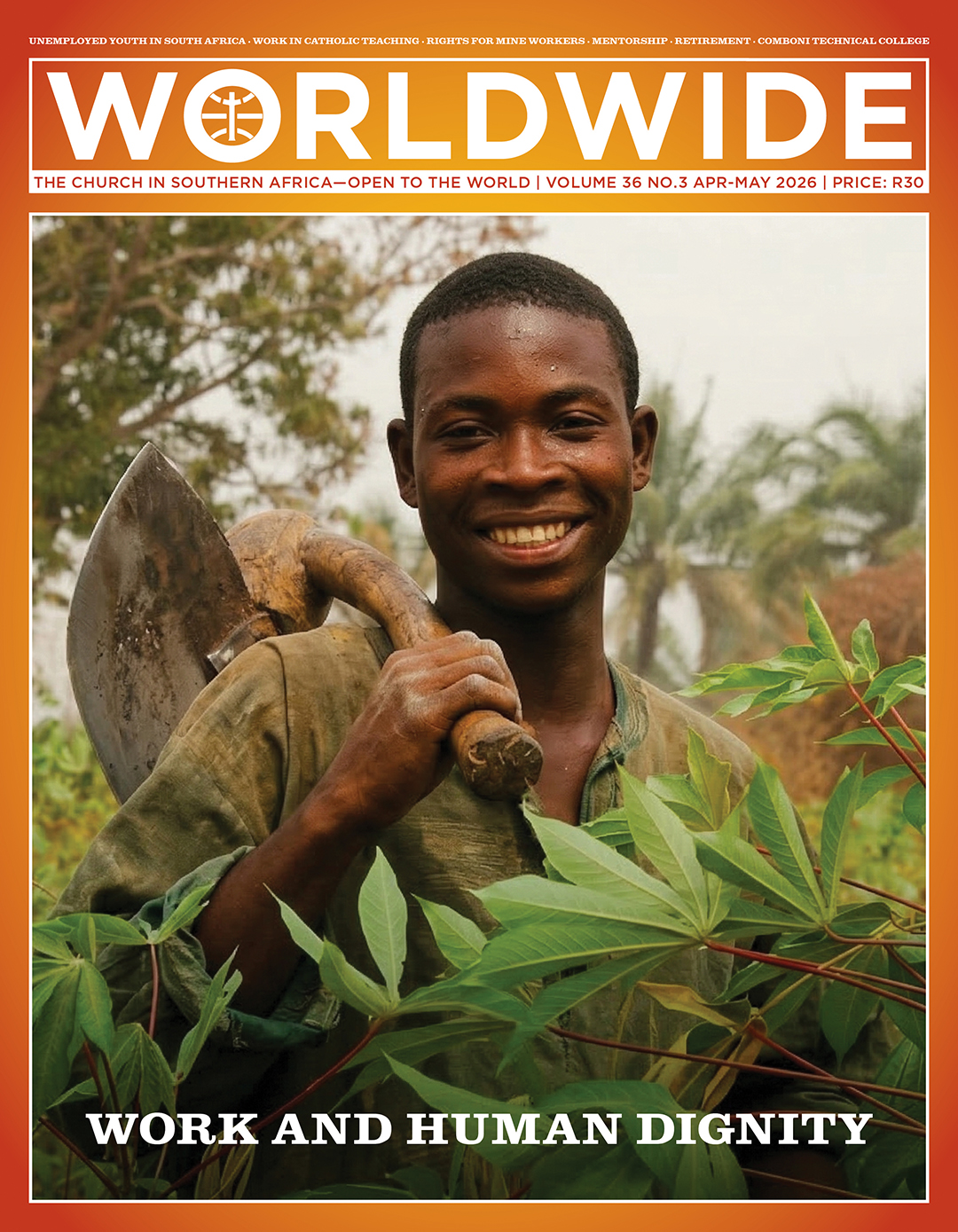
A young farmer holding a hoe in a field of cassava plants. In Africa, cassava is the second most important staple food after maize, providing the primary energy source for approximately 40% of the population. Due to high levels of unemployment, small- scale farming provides a dignified way of self-sustenance.
Special Report • CO-CREATORS
Human Activity in the Bible
More than simply a way of earning a living, the Bible teaches us that work is a participation in God’s creative action and a way of associating ourselves with the redemptive work of Christ.
BY Fr Joseph Caramazza MCCJ
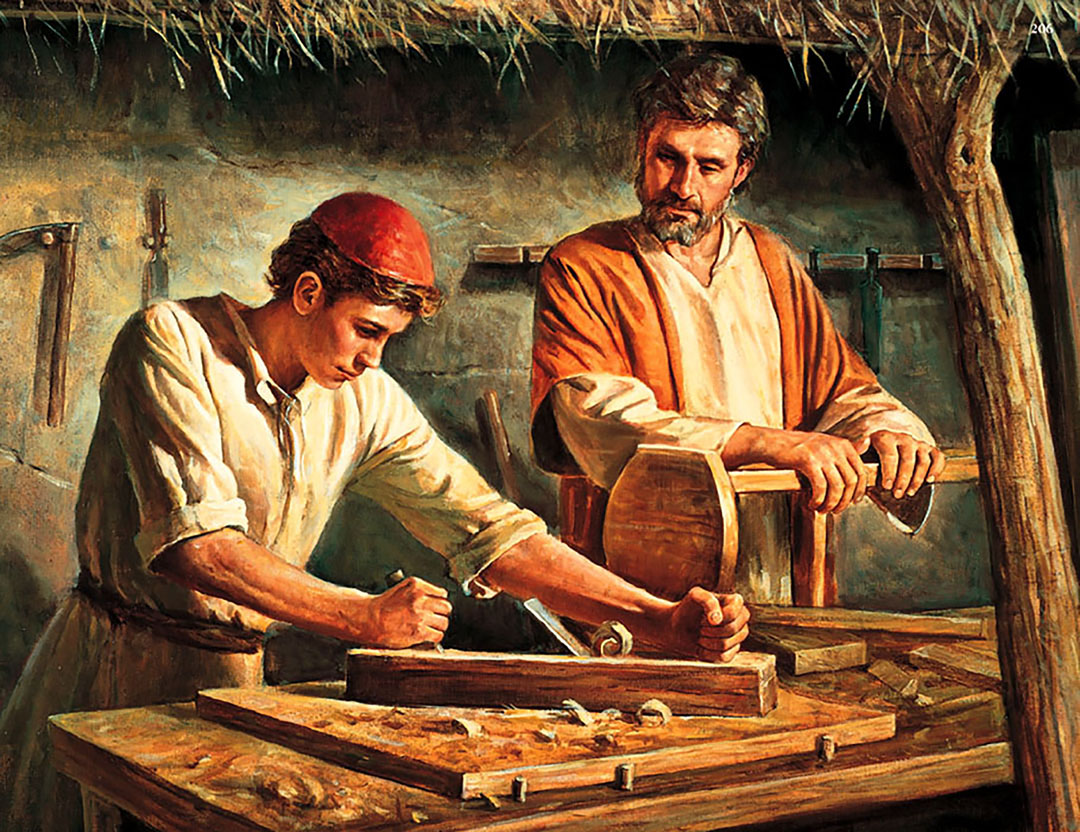
THE NEED to work for a living is often associated with the emergence of sin. Yet, if we carefully read the creation story in Genesis 2, we encounter this sentence: “The Lord God took the man and placed him in the Garden of Eden to work in it and take care of it.”
The first human being in the garden has two tasks: to care for and to work in the garden. Work is not a curse; it is the continuation of God’s creative action over time.
Human work and slavery
The Hebrew word for work shares the same root as the terms describing service and slavery. The difference between these realities is well described in the book of Exodus.
There we are told that Israel was in Egypt, and in a condition of servitude. Pharaoh, and with him all the inhabitants, feared this foreign people and responded with oppression. Thus, the situation shifted from servitude to slavery.
Jewish slaves were required to produce bricks, but also to search for raw materials and maintain high production. Thus, the individual was forced to work all day, doing only what was ordered, and forced to produce consistently, without regard for his or her personal circumstances. The final product became more important than the individual.
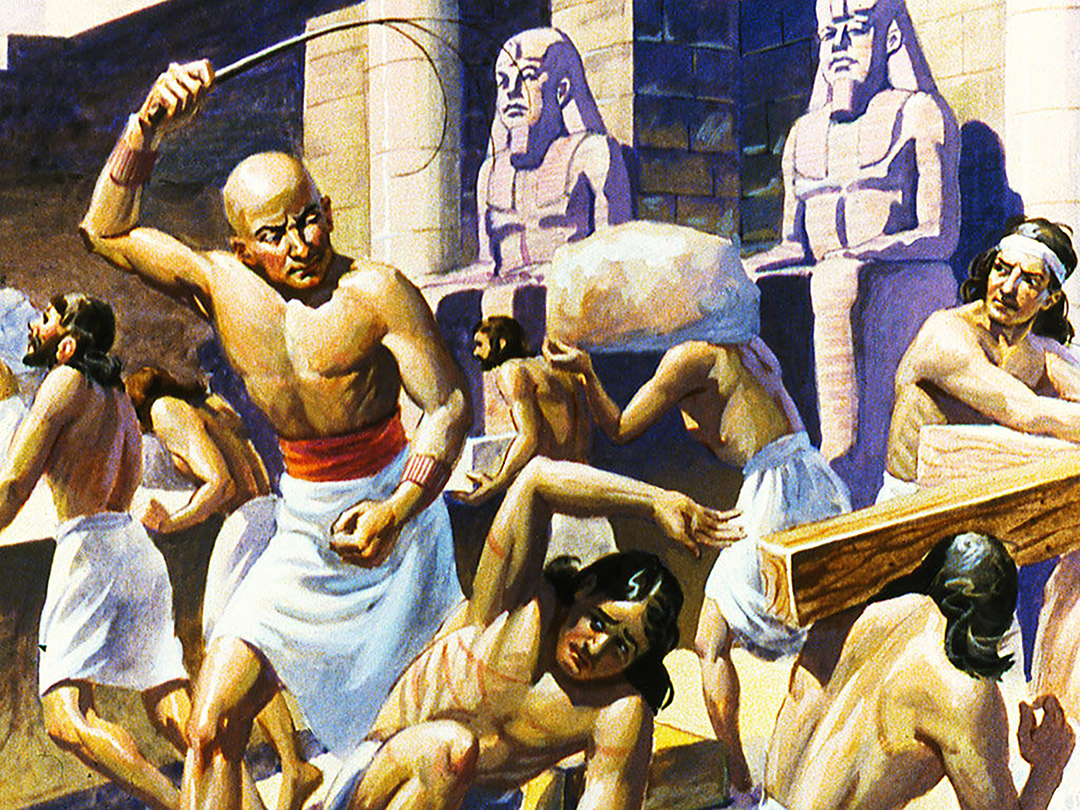
Source: newmorningdevotionals.wordpress.com | Credit: Dr Bev
God cannot accept this situation. He sends Moses and orders him to tell the people that he has heard their cry and is coming down to free them.
“Say to the children of Israel: I am the Lord! I will bring you out of the toils of Egypt. I will free you from slavery and redeem you with an outstretched arm…” (Exodus 6:2–8).
This passage begins and ends with the revelation “I am the Lord.” He is the Lord, and therefore must be served, but the service required begins with freedom, with choice.
It is the experience of a God faithful to his covenant and who frees Israel: this is the meaning of the name of the Lord; Lord means liberator of Israel. In other words, the content of God’s name is the history of Israel’s liberation.
God brings about liberation to offer Israel the Covenant. He announces himself as the redeemer: the one who intervenes to give new life. Israel will be liberated, will have the choice to enter into a relationship with God and therefore serve him, not as a slave but as a free person/people.
We find the theme of freedom in many texts of the New Testament. For “if the Son sets you free, you will be free indeed.” Paul states, “You did not receive the spirit of slavery to fall back into fear; you have received the spirit of sonship, the spirit of adoption, by which we cry out, ‘Abba! Father!’ The Spirit himself bears witness with our spirit that we are children of God — children and therefore heirs, heirs of God and joint heirs with Christ, if indeed we suffer with him in order that we may also be glorified with him” (Rom 8:15–17).
Jesus and work
Jesus spoke about work, making it a leitmotif in some of his parables. In Luke 15, in the parable of the merciful Father and the two sons, one of the sons does not understand who the Father is; he wants a freedom he believes he does not already have, and in doing so, he enslaves himself.
The second son acts like a slave; he does not have a filial relationship with the Father. He works obediently, but does not live in harmony with the Father.
The Father is the one who helps his sons understand the possibility of a new way of being. He reaches out to his sons, treating them as masters, not as subordinates.
It is the transition from slavery to sonship: the relationship between father and son is not conditioned solely by observance of the commandments or the merits of each. There are other, greater values.
To recognize this truth and discover these values, the son must accept his father’s invitation, participate in the banquet, and thus be reconciled with his brother.
Jesus teaches us that when God enters our horizon, work is transformed: from toil to participation in divine action.
When God enters our horizon, work is transformed, from toil to participation in divine action.
The talents
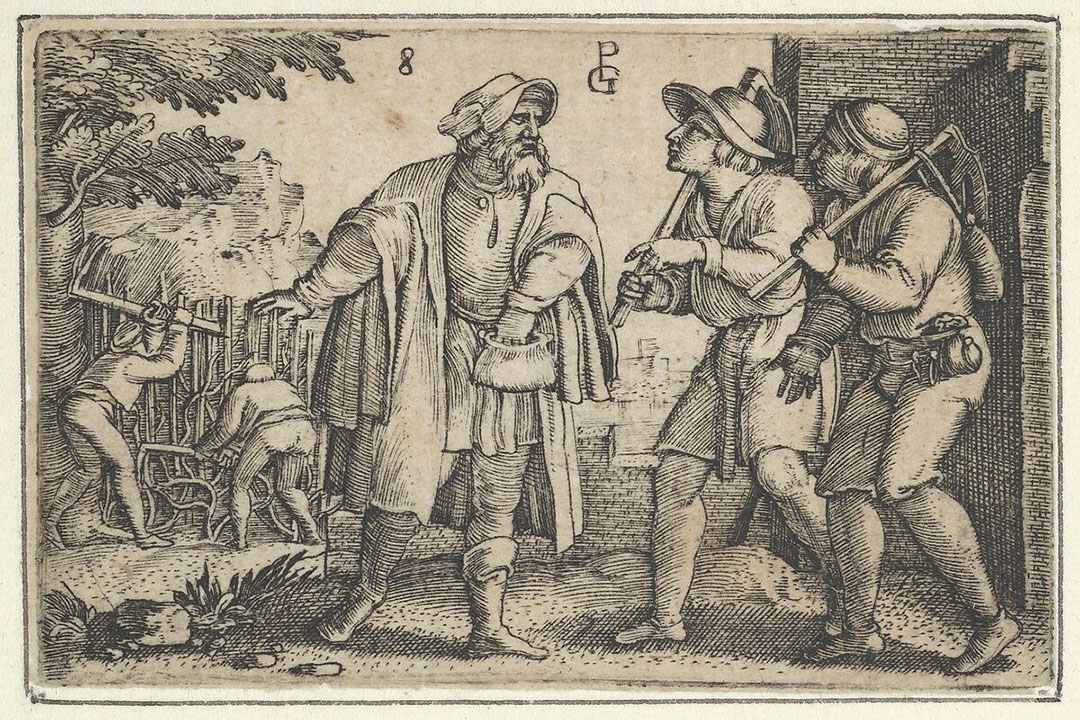
Work is also central to the parable of the talents (Matthew 25:14–30). A master entrusts his possessions to his servants. The sums involved are considerable. A talent was an enormous sum: more or less the lifetime earnings of a skilled worker. Thus, there is enormous trust, even for those who receive only one talent.
Each of the servants uses what they have received in their own way. The first two are capable of investing and making good profits. The third prefers to hide the talent so as to return it intact. In fact, he returns it to the master, saying, “It’s yours!” By saying this, he reveals his fear of the master, and fear is the root of submission, of slavery.
The first two servants will be praised for using their talents as if they were their own. They were committed, they took care of their affairs, they worked diligently.
We too can behave like fearful servants who are careful not to make mistakes for fear of punishment, or like true servants who act like children and take their mission in the world to heart.
Christ’s business is our business. This purely religious message, however, is not without implications for those who wish to apply it to the world of work.
Light from the Word
The message we glean from the Word is vivid and direct. The opportunity to work together in the same vineyard for the same Lord is already a grace. Solidarity in labour is already the reward of labour. The Lord’s happiness in finding workers for his vineyard is perhaps the greatest reward of labour.
The Bible does not offer easy solutions to the problems of work in our modern world. But it does offer us a glimpse of a direction we can follow to live our daily work according to God’s will.
The challenge is to find or rediscover the true values of work, and then bring them to light in our world.
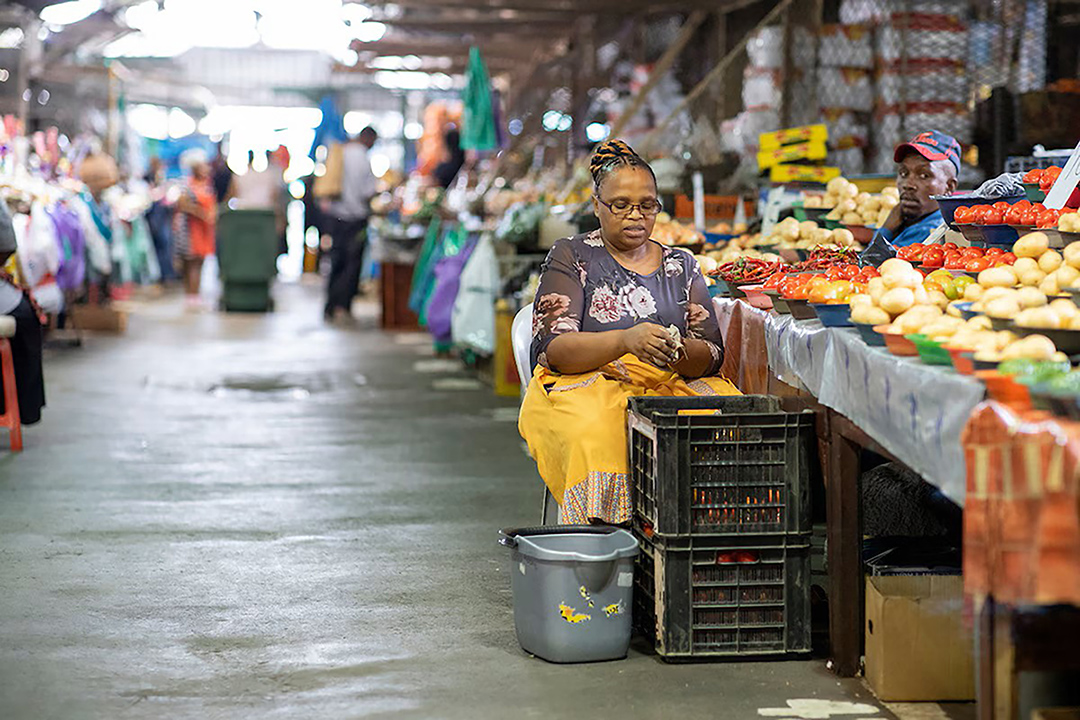
The Word teaches us that in the life of the human person, created in the image and likeness of God, work is a true vocation. Through work, whether manual or intellectual, God calls humanity to participate in his creative work in the world.
Source: weforum.org
Lest we forget
Unfortunately, work is often used against people. How can we forget the Nazi concentration camps with the mocking sign that greeted deportees upon arrival: “Arbeit macht frei” — “Work sets you free!” — the Soviet gulags, or Robben Island, off Cape Town.
In these cases, work became a means of extermination, of imposing humiliation.
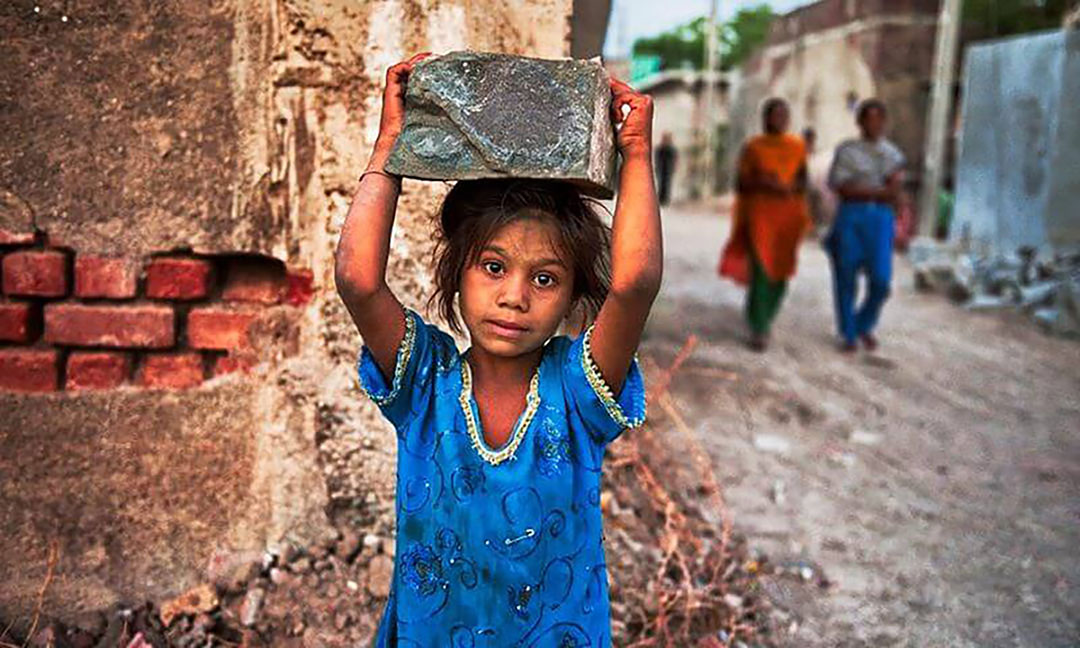
And how many forms of labour exploitation still exist today: work performed in inhumane conditions, inadequate wages, various forms of discrimination in the workplace, especially against women. The exploitation of child labour, even infant labour, is horrifying.
Therefore, workers’ rights are often disregarded and work is used to trample on human dignity.
Source: satyarthi.org.in | Credit: KSCF
The papal document Christifideles Laici presents a type of ethical code of work for the lay faithful:
“The lay faithful must carry out their work with professional competence, with human honesty, with a Christian spirit, as a path to their own sanctification, according to the explicit invitation of the Council: ‘By work, man ordinarily provides for his own life and that of his family, communicates with others and renders service to his fellow men, can practice true charity and collaborate with his own activity in the fulfillment of divine creation. Moreover, we know that by offering his work to God, man associates himself with the very redemptive work of Christ, who conferred on work a supreme dignity, working with his own hands at Nazareth’” (n. 43).
And St Paul urges: “Whatever you do, work at it heartily, as for the Lord and not for men, knowing that from the Lord you will receive the inheritance as your reward” (Col 3:23–24).
Here is the vast horizon of work in the light of faith. We cannot and must never separate our Christian being from the work we do every day. Indeed, our way of considering work is a precise test of our Christian being.
We baptized are called to sanctify work, we are urged to live it in all its fullness, we are called to discover work as a path and instrument of holiness, lived in the heart of the world.
We are called to sanctify work, to discover it as a path and instrument of holiness.
The Rule of Saint Benedict — Ora et Labora (Pray and work) — has lost none of its relevance.
Christ asks us to be the salt of the earth and the light of the world wherever we are: in the family, in society, and at work. Through work we participate in God’s action, and we proclaim the Good News of liberation.
The Dignity of Work in Catholic Teaching
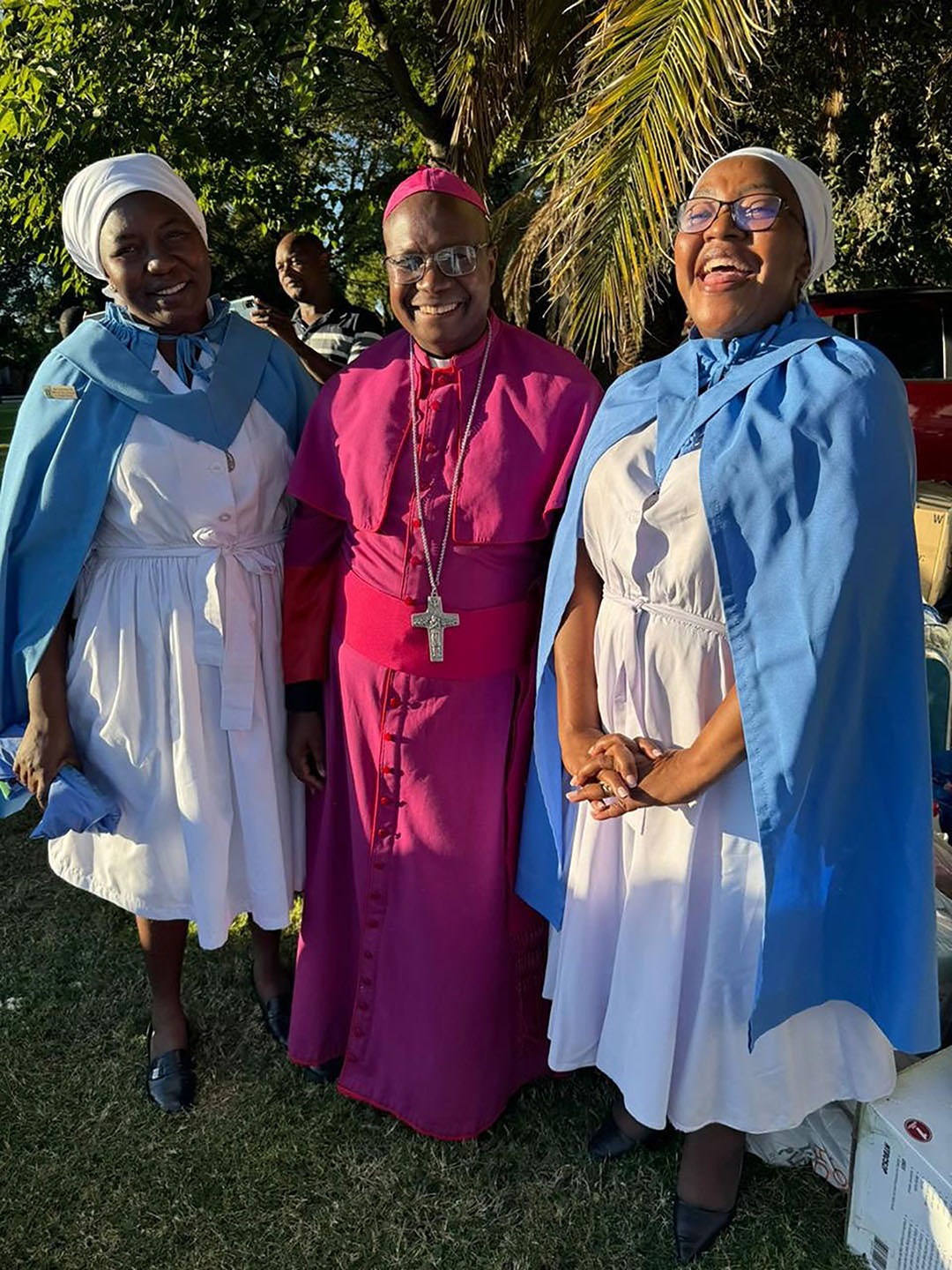
Bishop Masilo John Selemela explores Catholic teaching on labour, just wages, unions, safe working conditions, and work as participation in God’s creative action.

JUSTICE FOR SICK MINEWORKERS
The Church stands with coal mineworkers suffering from occupational lung diseases, supporting legal action against mining companies and advocating for justice and recognition.