
WORK AND HUMAN DIGNITY
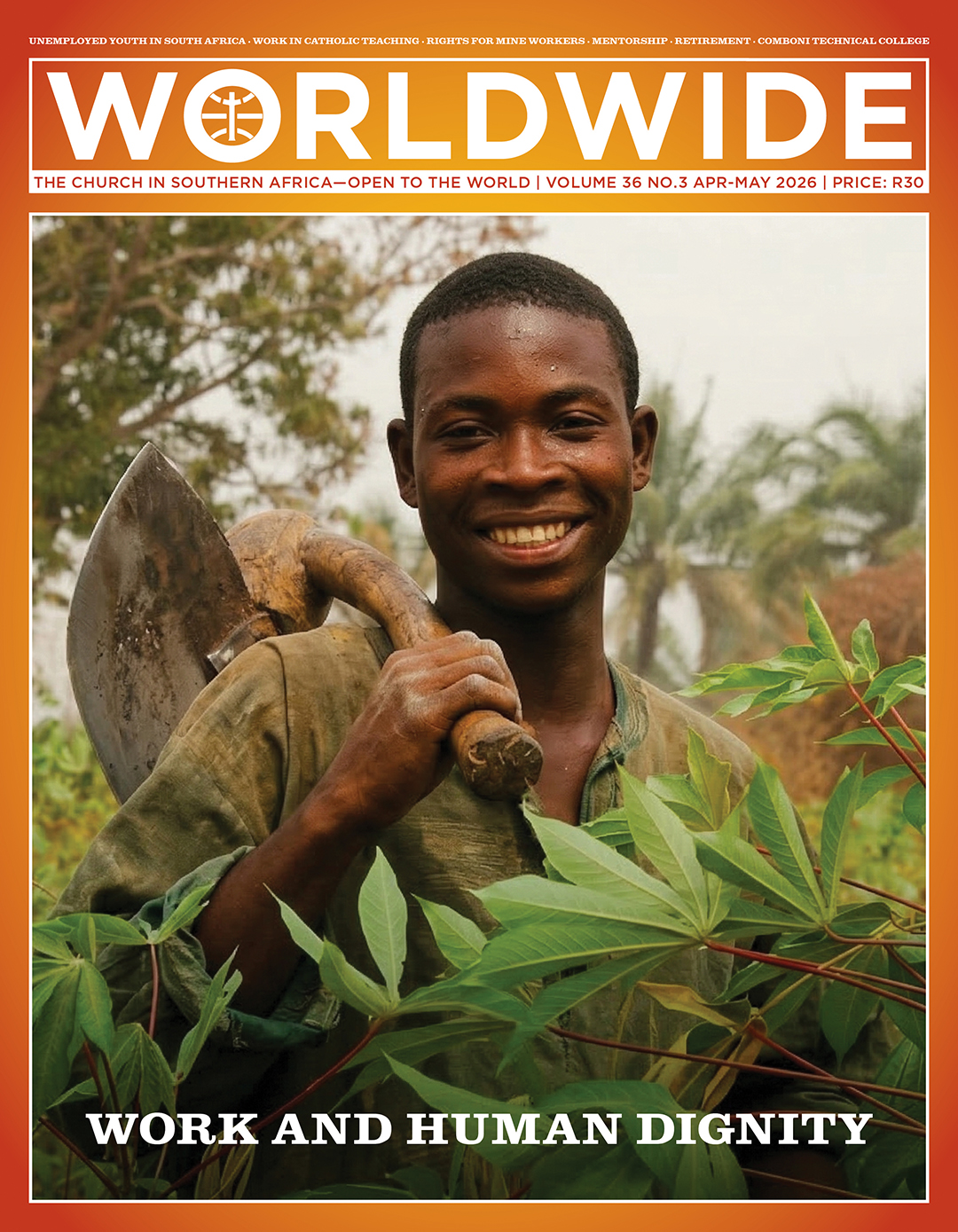
A young farmer holding a hoe in a field of cassava plants. In Africa, cassava is the second most important staple food after maize, providing the primary energy source for approximately 40% of the population. Due to high levels of unemployment, small- scale farming provides a dignified way of self-sustenance.
Special Report • LABOUR

The Dignity of Work in Catholic Teaching
In this article, the author explores the wisdom of the Church’s teaching on human work as espoused in the different social teachings of the Church, Catechism and other important documents.
BY Rt Rev Bishop Masilo John Selemela | Auxiliary Bishop of the Archdiocese of Pretoria
THE SOCIAL teachings of the Catholic Church highlight the importance of labour as vocation rather than just as a function. Rooted in Scripture and Tradition, the Church teaches that labour is a participation in God’s creative action and a path to holiness.
According to this understanding, work is contributing towards God’s design of a world he wants to concretize. Therefore, one can speak of the dignity of labour since it brings the human being to what he is created in God’s image and likeness. The social teachings of the Church emphasize the different dimensions of this God-given talent.
Dignity of work
Today, is it even relevant to speak about the dignity of work, as we find so many people unemployed, displaced and without dignity? Another obvious issue in our time is people doing work which dehumanizes them and their dignity.
St John Paul II writes in his encyclical Laborem Exercens: “Work is one of the characteristics that distinguish man from the rest of creatures… Only man is capable of work, and only man works, at the same time by work occupying his existence on earth.”
We often talk about decent work, which does not exploit people and rewards them handsomely for their dedication and commitment. People lack this when work turns human beings into animals by treating them as slaves. Work therefore should be seen as an opportunity to serve, and not as a form of enslavement.
As early as 1891, Pope Leo XIII in the encyclical Rerum Novarum argued for decent remuneration as he noted:
“Save unfortunate working people from the cruelty of men of greed, who use human beings as mere instruments for moneymaking. It is neither just nor human so to grind men down with excessive labour as to stupefy their minds and wear out their bodies.”
In his mind the human being’s worth was the right that took precedence over the market. Therefore, people should be treated well and remunerated justly since this is the principle of the word of God.
The unfortunate narrative today is the phenomenon of cheap labour, which turns people into disposable instruments, to be used and then discarded.
Labour Unions
According to the teaching of Vatican II, workers have a right to form and join associations for championing workers’ rights:
“Among the basic rights of the human person is to be granted the right of freely founding unions for working people. These should be able truly to represent them and to contribute to the organizing of economic life in the right way. Included is the right of freely taking part in the activity of these unions without risk of reprisal.”
The only people who can champion the rights of workers are workers themselves. This is also to safeguard the workers from economic principles that undermine them.
Cheap labour turns people into disposable instruments to be used and then discarded.
In this modern age, technological inventions can also replace the human person and annex his workspace, thus driving him out of the workforce and therefore, out of the main side of economic activity.
Exploitation often takes place when workers are not organized. However, a clear balance is also needed between social action and work, as numerous strikes by workers have more than once contributed to an economic slowdown which again leads to closures of factories, leaving multitudes unemployed.
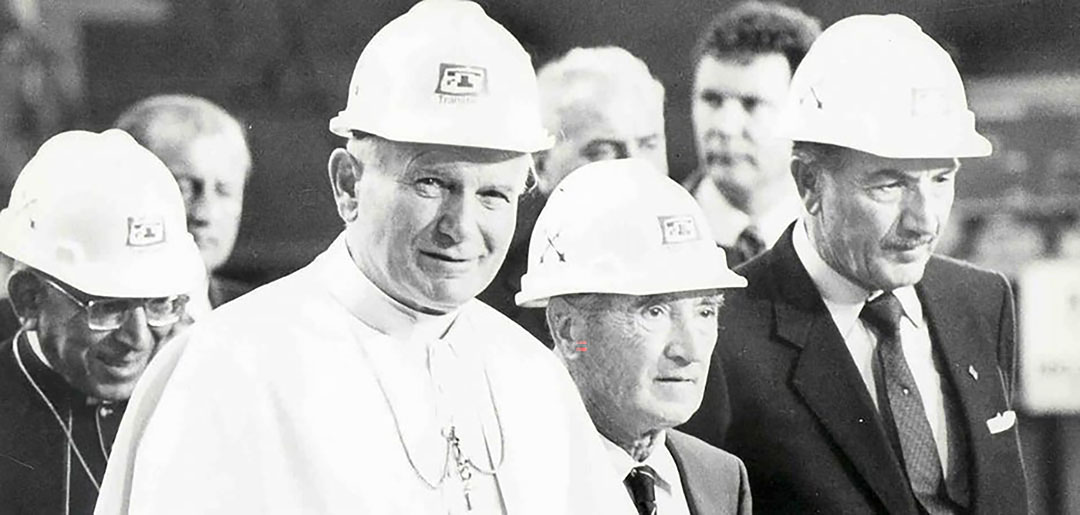
Source: catholicoutlook.org | Credit: Bishop Vincent Long OFM
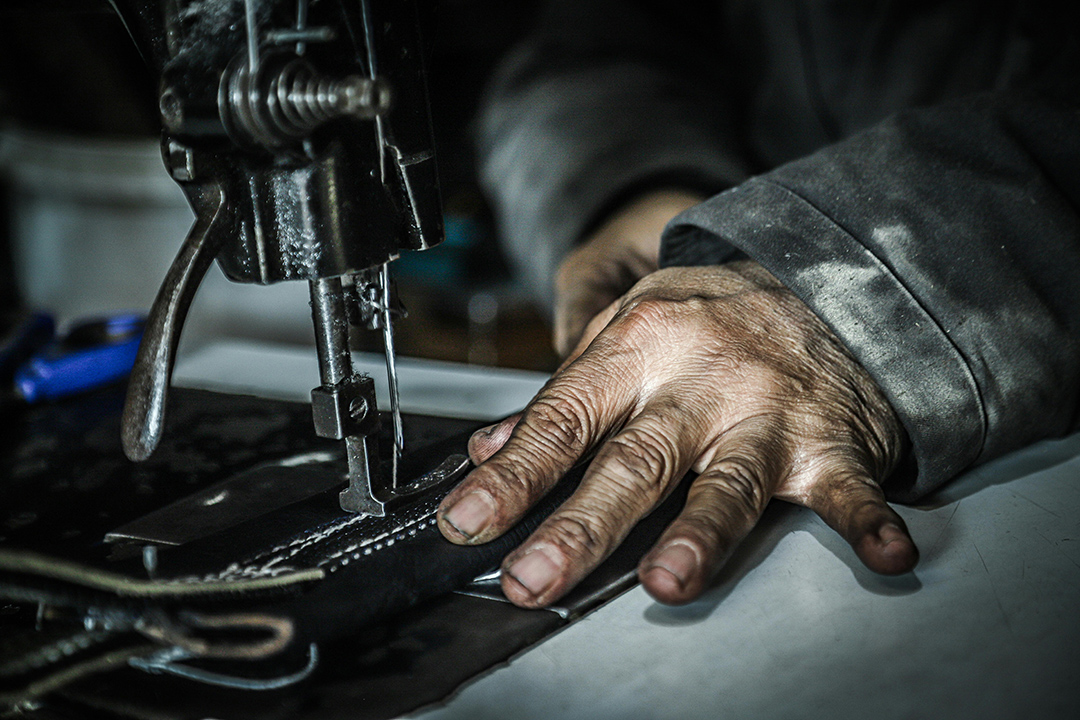
Source: pexels.com | Credit: Furkan Isik
One of the major criticisms regarding unions is that they can cause layoffs and act as a monopoly. They are also frequently accused of causing inflation and bankruptcy.
The question is, whether one subscribes to the aforementioned critique or not, this should not detract from the main issue that workers have a right to organize themselves.
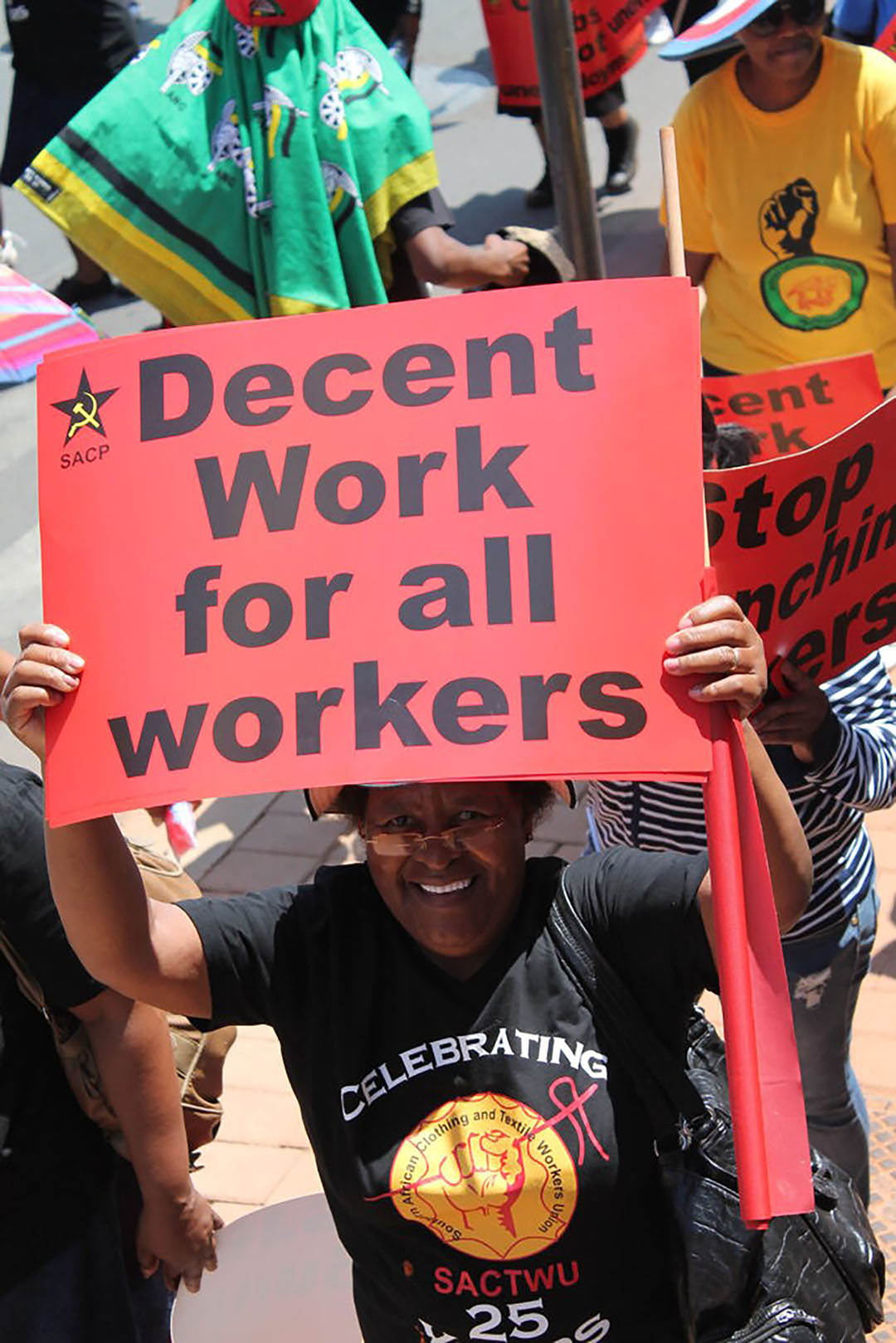
Source: atlfmnews.com
Pope Benedict dealt adequately with this criticism in Caritas in Veritate when he maintained:
“Through the combination of social and economic change, trade union organizations experience greater difficulty in carrying out their task of representing the interests of workers, partly because Governments, for reasons of economic utility, often limit the freedom or the negotiating capacity of labour unions. Hence, traditional networks of solidarity have more and more obstacles to overcome. The repeated calls for the promotion of workers’ associations that can defend workers’ rights, issued within the Church’s social doctrine, beginning with Rerum Novarum, must therefore be honoured today even more than in the past.”
Safe working conditions
Key documents like Rerum Novarum and subsequent encyclicals emphasize that workers need to work in safe conditions, that they deserve just wages and have a right to organize.
Excessive work conditions that endanger the health of workers are morally unacceptable. The health and safety of workers are important elements of their dignity.
The Catechism of the Catholic Church also highlights some key principles for labour considerations:
- Work is for the person, the person is not there for work, and work should provide for one’s life, family, and the common good.
- Everyone has the right to economic initiative and to reap the just fruits of their labour.
- A just wage is a moral requirement, ensuring a dignified livelihood on material, social, cultural, and spiritual levels.
- Everyone has the right of economic initiative; everyone should make legitimate use of his or her talents to contribute to the abundance that will benefit all, and to harvest the just fruits of his or her labour.
- Human work proceeds directly from persons created in the image of God and called to prolong the work of creation by subduing the earth, both with and for one another.
Exploitation often takes place when workers are not organized.
The Catholic Church has an extensive set of principles on labour, rooted in Scripture and developed through various papal encyclicals and documents.
Key principles include:
- Dignity of Work: Work is a participation in God’s creative activity and a means to support oneself and contribute to society.
- Rights of Workers: Workers have a right to fair wages, safe conditions, rest, and unionization.
- Subsidiarity and Solidarity: Decisions should be made at the most local level possible, with a preferential option for the poor and vulnerable.
The Church emphasizes the importance of balancing economic development with social justice and human dignity.
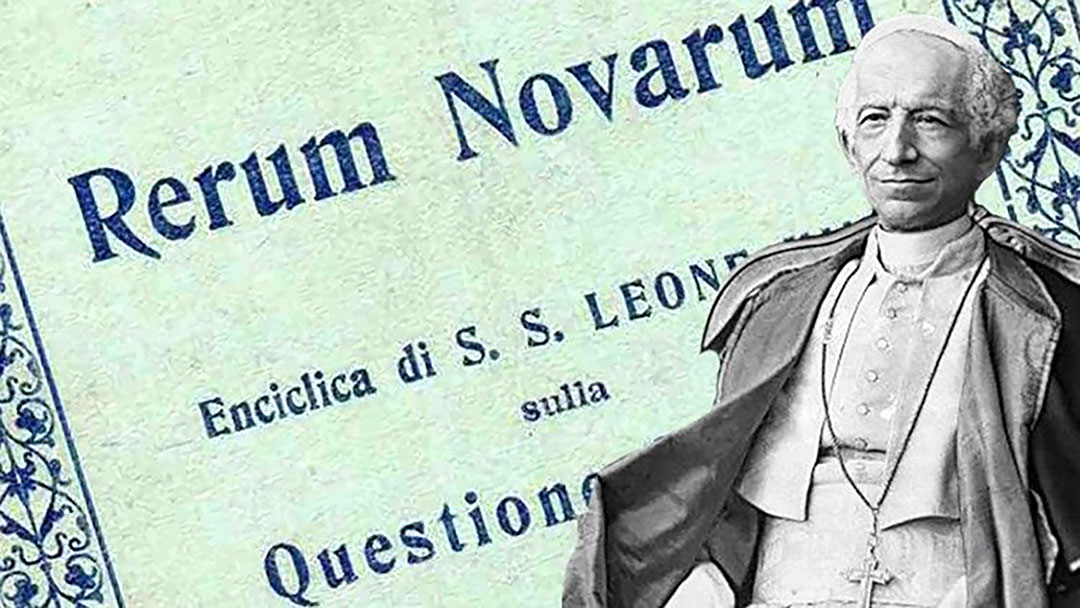
Source: vaticannews.va
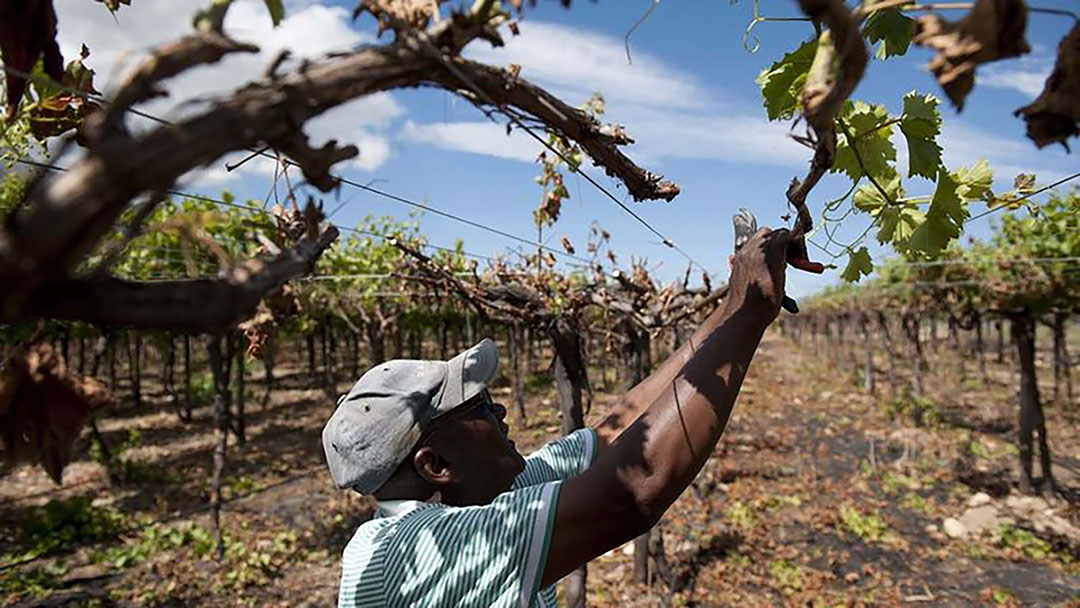
Source/Credit: Source: mg.co.za | Credit: M&G File
References:
- Centesimus Annus (1991) – Pope John Paul II
- Rerum Novarum (1891) – Pope Leo XIII
- Laborem Exercens (1981) – Pope John Paul II
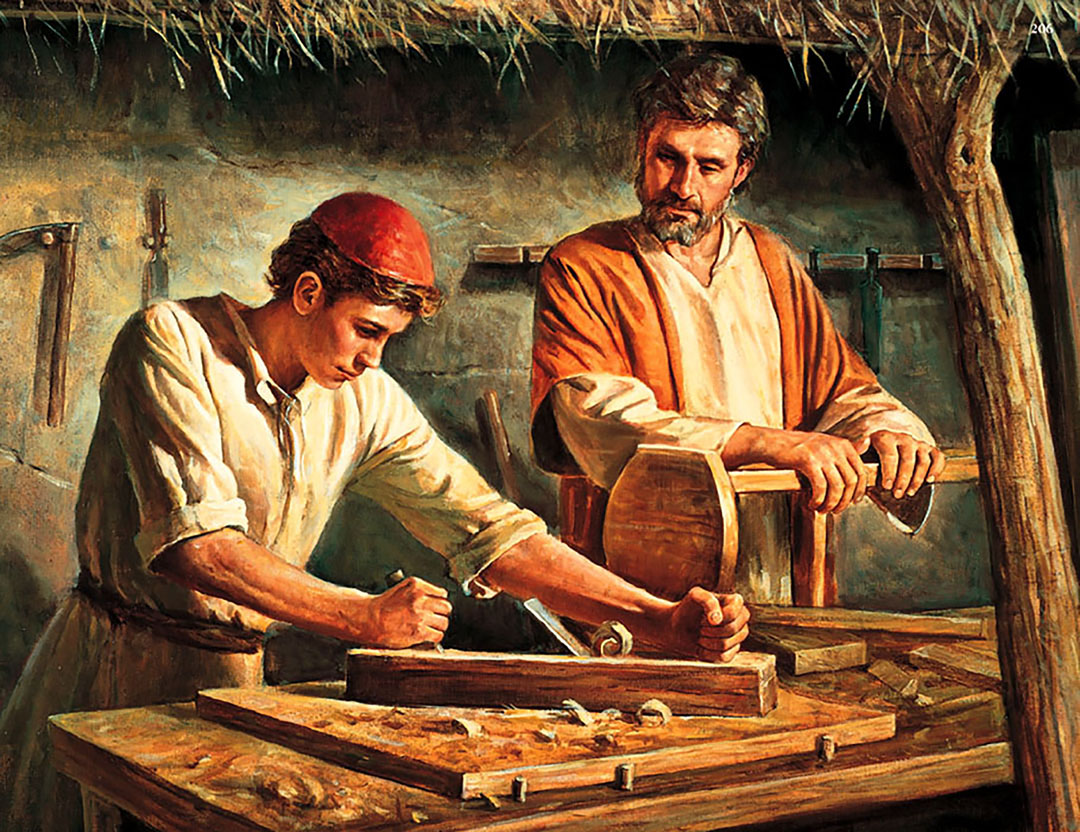
HUMAN ACTIVITY IN THE BIBLE
Fr Joseph Caramazza reflects on work in Scripture, showing that human activity is not a curse but a vocation rooted in freedom, creation, service, and holiness.

JUSTICE FOR SICK MINEWORKERS
The Church stands with coal mineworkers suffering from occupational lung diseases, supporting legal action against mining companies and advocating for justice and recognition.