
WORK AND HUMAN DIGNITY
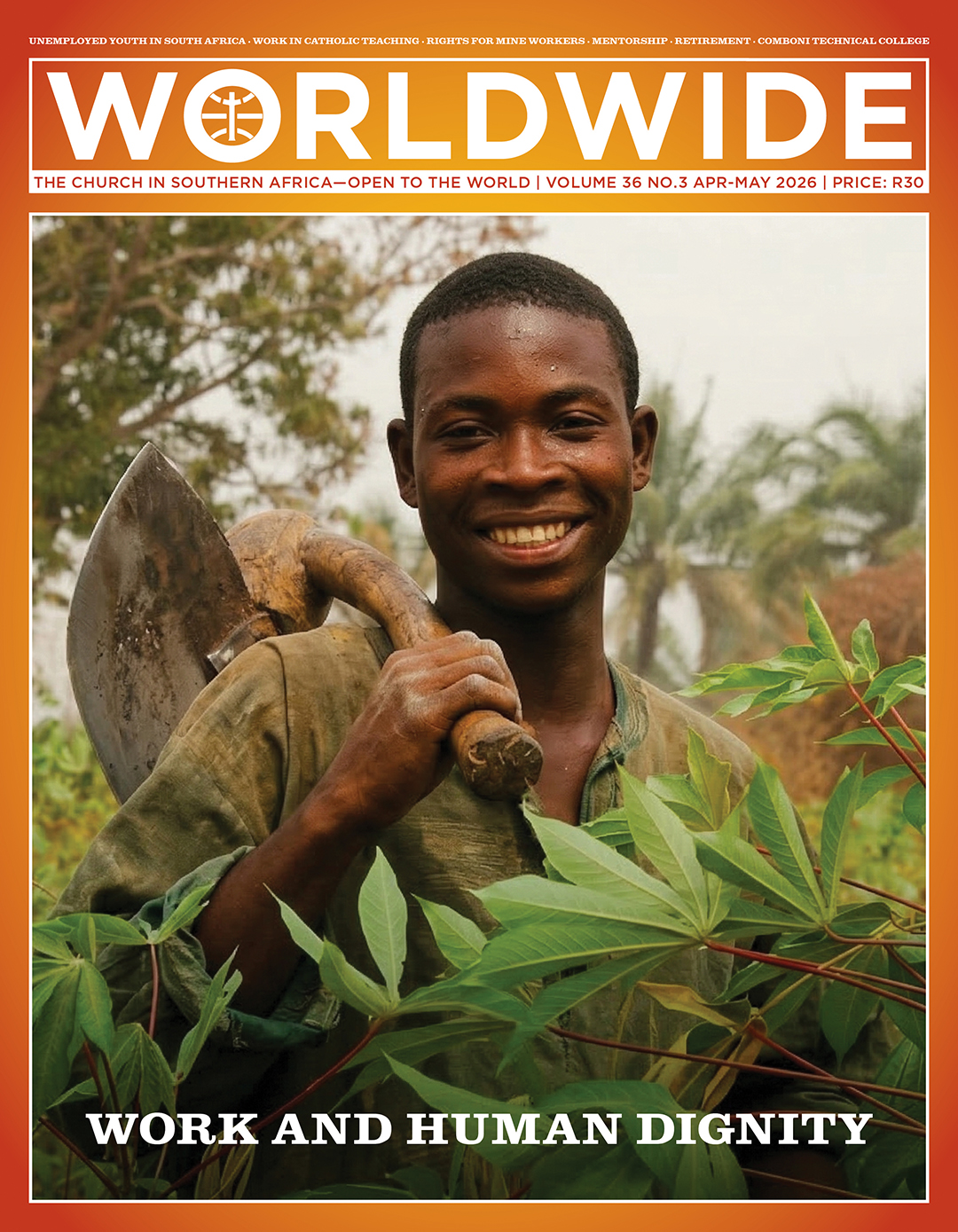
A young farmer holding a hoe in a field of cassava plants. In Africa, cassava is the second most important staple food after maize, providing the primary energy source for approximately 40% of the population. Due to high levels of unemployment, small- scale farming provides a dignified way of self-sustenance.
Special Report • CLASS ACTION
Justice for Sick Mineworkers
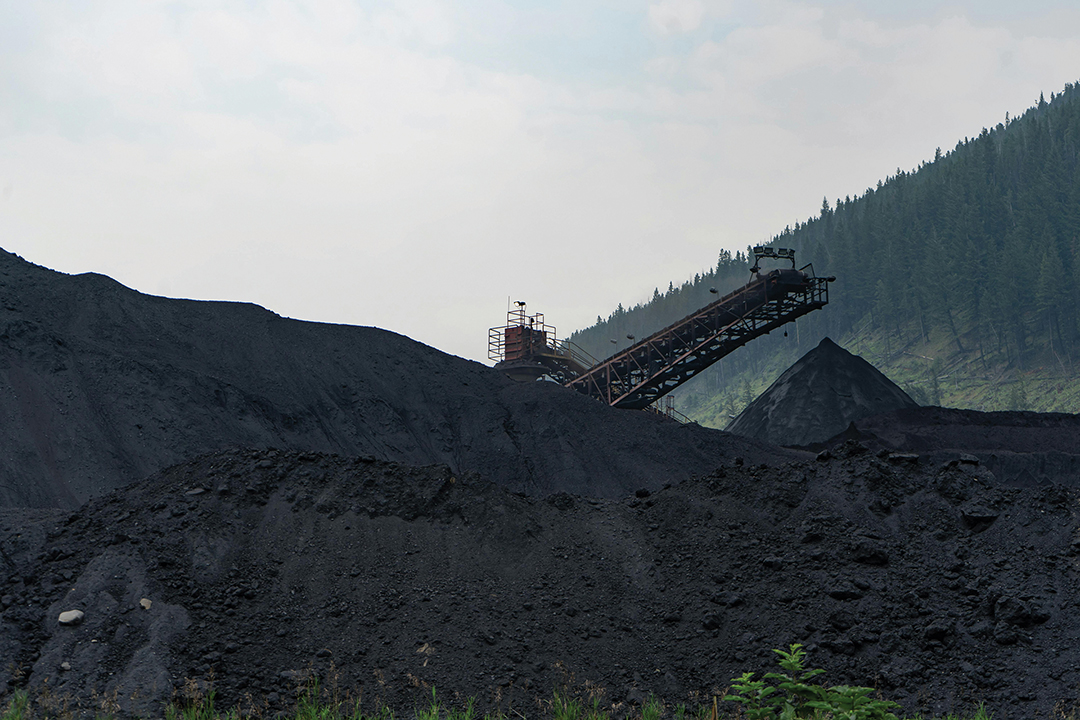
In the coal-scarred towns of Mpumalanga, Limpopo and KwaZulu-Natal, where slag heaps rise like small mountains and the air carries the metallic taste of burnt earth, the Church has once again found itself standing amidst great hardship, where pain runs deepest.
BY Fr Stan Muyebe | Director of SACBC Justice and Peace Commission
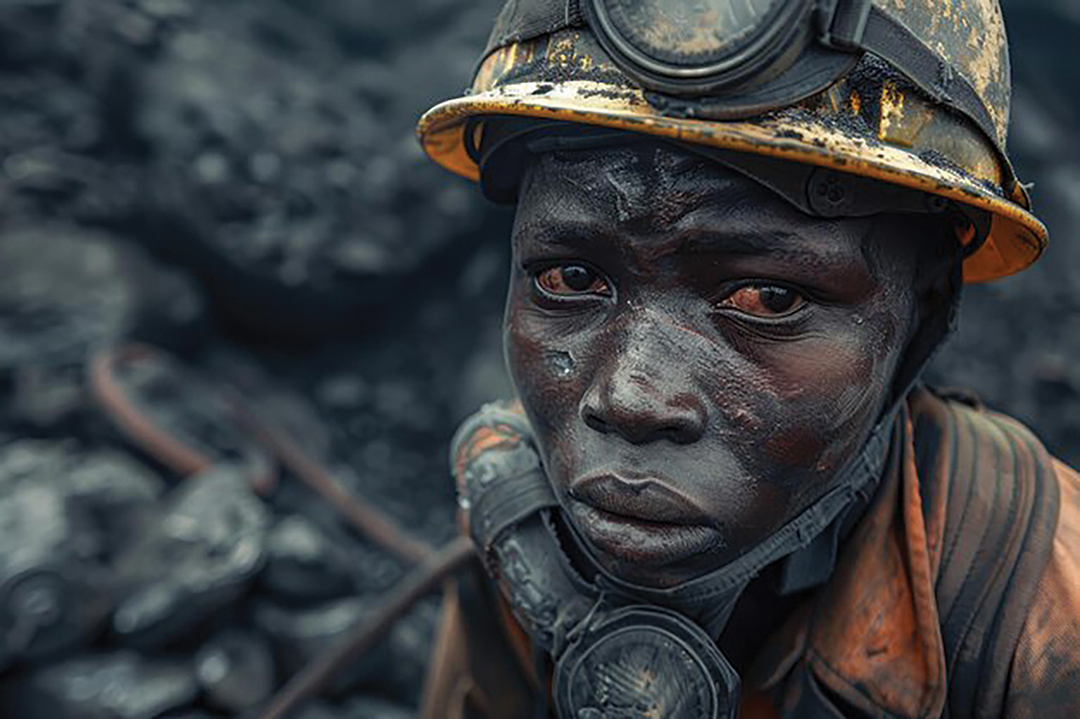
FOR DECADES, men descended into the coal mines before dawn and returned after dark, their bodies coated in soot, their lungs quietly collecting the dust that would one day betray them. Many now struggle to breathe. Some sit upright through the night because lying down tightens their chests. Wives speak of oxygen tanks as if they were pieces of furniture. Children know the sound of a coughing fit that does not subside quickly.
It is here, in South Africa’s coal belt, that the Catholic Church — working alongside human rights attorney Richard Spoor — initiated legal action to seek justice for sick mine workers who spent years underground in coal operations owned by some of the country’s most powerful companies.
The culprits
The proposed class action, filed in 2023, names major coal producers including Exxaro Resources, Anglo American Group, Glencore, and BHP Billiton PLC. The application seeks certification of a class action on behalf of current and former coal miners suffering from occupational lung diseases linked to prolonged exposure to coal dust.
Spoor is no stranger to mining litigation. He previously represented thousands of gold miners in silicosis settlements. But this case turns toward coal — toward men whose illnesses have often remained less visible, less documented and less compensated.
The Church’s involvement
Church leaders in the region began hearing the stories long before court papers were filed. Parish priests noticed the funerals. Clinics reported respiratory disease that seemed far beyond what poverty alone could explain.
At times, the Church is the only institution people trust enough to tell the truth.
In many of these communities, the Church is not an observer. It is neighbour, counselor, burial society and sometimes the only institution people trust enough to tell the truth.
Advocates argue that many coal miners were exposed to dangerous levels of coal dust over extended periods, leading to chronic obstructive pulmonary disease and other debilitating respiratory conditions. Yet compensation systems have often been slow, technical and inaccessible.
The legal process itself has become part of the suffering. Certification of a class action requires complex medical evidence, historical employment records and prolonged legal argument. Mining companies have opposed aspects of the certification, raising procedural objections and contesting liability. These delays — technical, procedural and strategic — result in the case moving slowly through the courts.
Profit over miners’ health
Many of the sick are elderly. Some are in advanced stages of lung disease. Each year of delay means more funerals. Some mine workers die while waiting for the courts to decide whether their case may proceed as a class action at all. Families bury fathers before any compensation is paid. Widows carry medical debt long after the last breath has left their husbands’ bodies.
Critics of the coal industry say the deeper issue is moral. For decades, profits were prioritized over adequate dust control, health monitoring and post-employment care. Balance sheets expanded. Dividends were declared. But underground, lungs absorbed the hidden cost.
The lawsuit seeks not only financial compensation but recognition — recognition that these illnesses are occupational, not accidental; systemic, not isolated. It insists that profit cannot outweigh human dignity.
The Church’s involvement is rooted in Catholic Social Teaching.
The Church’s involvement is rooted in Catholic social teaching: the dignity of work, the rights of laborers and the preferential option for the poor. What began as pastoral accompaniment — hospital visits, prayer, listening — has grown into structured legal advocacy. Parish halls have become meeting points for testimony collection.
Justice advances quietly
In mining towns where entire local economies depend on coal, speaking out is not simple. Jobs are scarce. Companies are powerful. Communities are economically entangled with the very institutions being challenged.
Yet the Church’s position has remained steady: development cannot be built on discarded bodies.
For the mine workers themselves, the lawsuit is not abstract litigation. It is oxygen. Medication. School fees. It is about being able to breathe without panic. It is about hearing someone say, “Your suffering was not invisible.”
The case continues its slow passage through South Africa’s legal system. Medical experts prepare reports. Lawyers argue over certification standards. Corporate teams defend their positions.
Meanwhile, in the coal belt, justice advances quietly — a widow assisted with transport to a legal consultation, a parish volunteer helping fill out forms, a priest presiding over yet another funeral of a former miner who did not live to see the outcome.
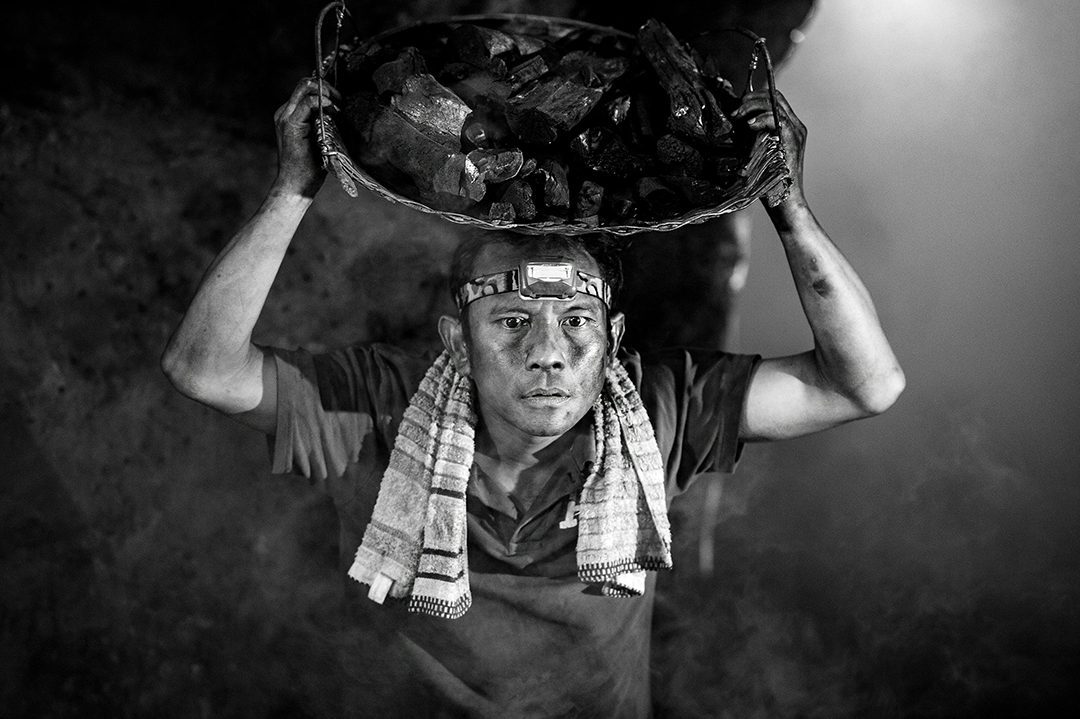
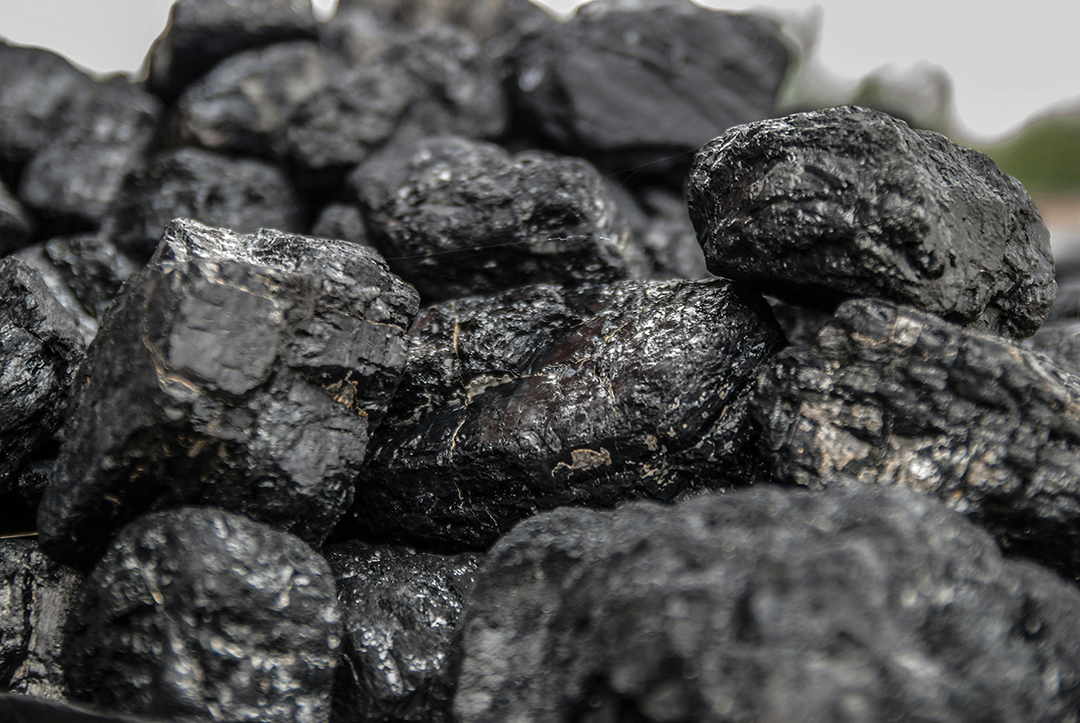
Beneath the legal arguments remains a question that will not disappear: What is the true cost of coal? Who carries it in their lungs? And when those lungs fail, who stands beside them?
For the Catholic Church in these provinces, the answer has become unmistakable: stand with the mine workers, walk with the sick, and, when necessary, confront power in court — even if the wait is long, and even if justice arrives too late for some.
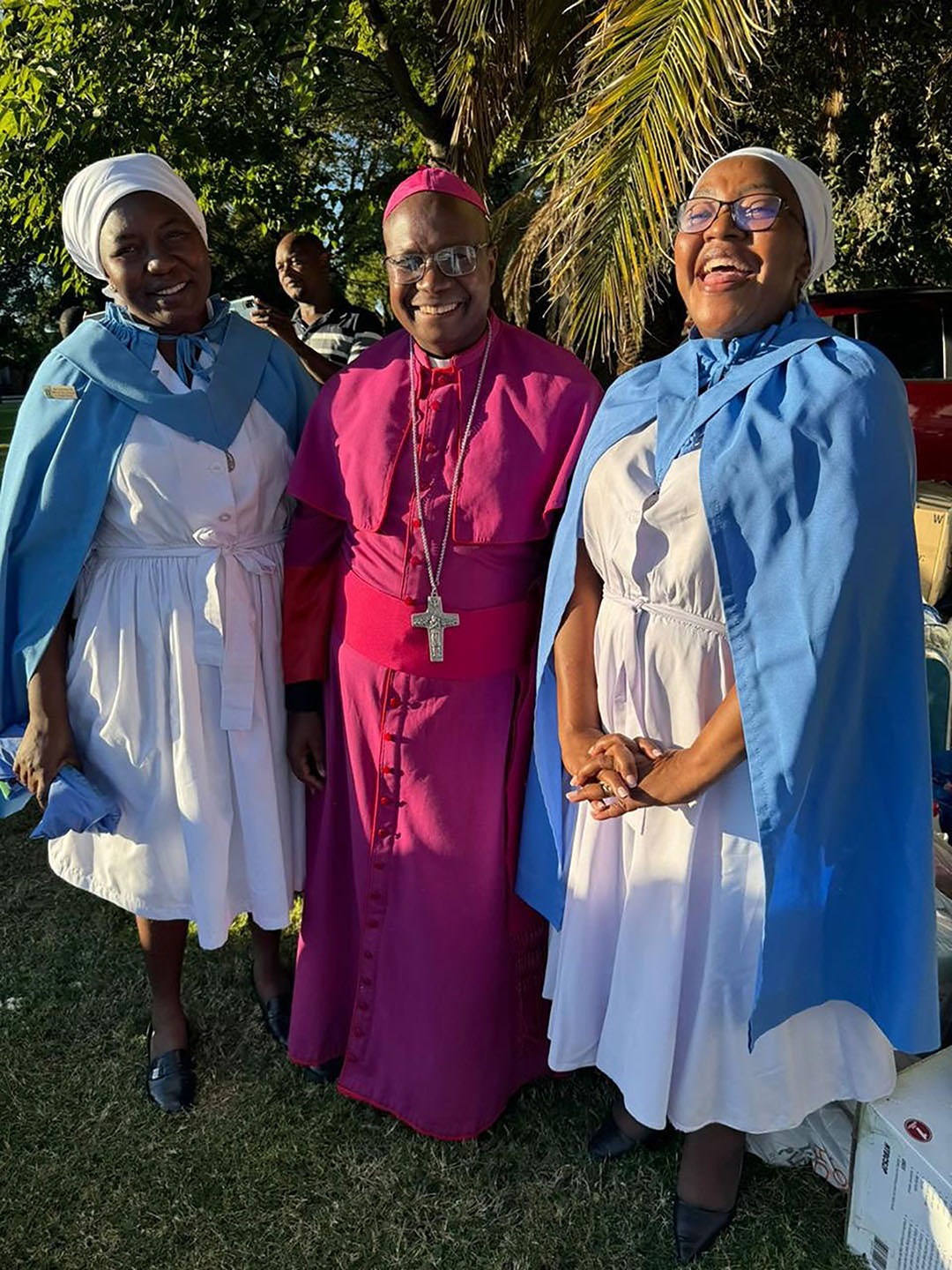
The Dignity of Work in Catholic Teaching
Bishop Masilo John Selemela explores Catholic teaching on labour, just wages, unions, safe working conditions, and work as participation in God’s creative action.
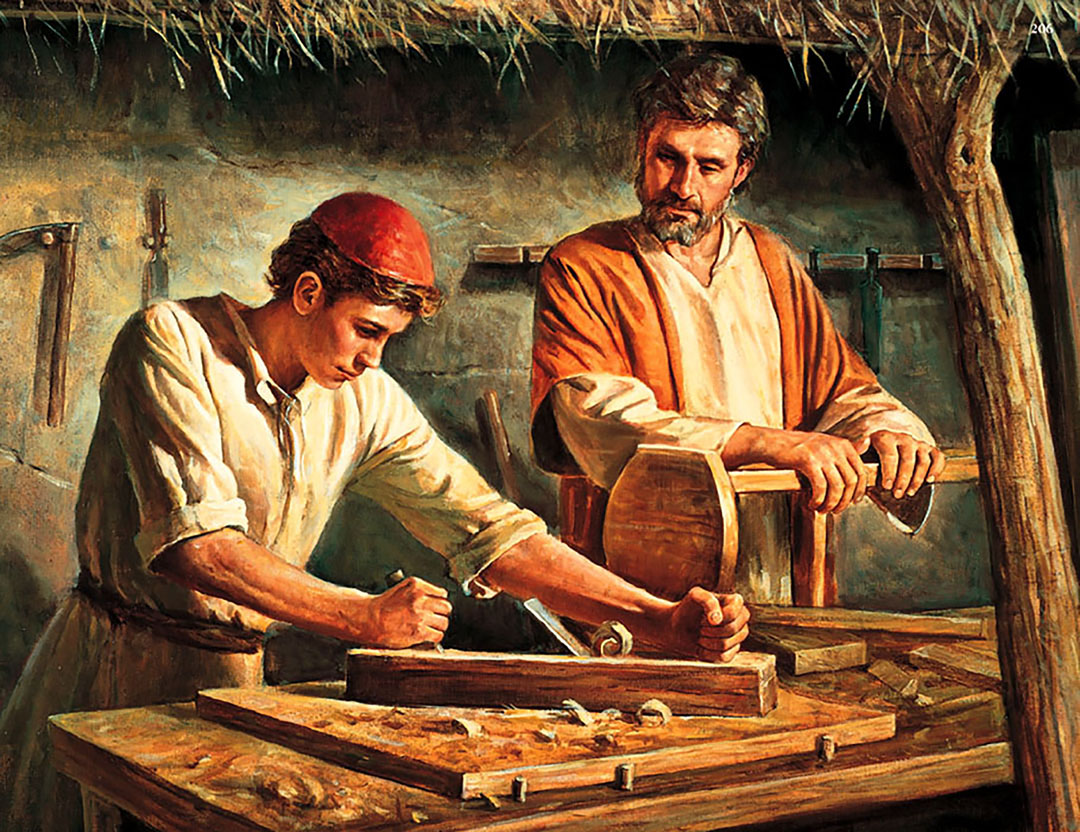
HUMAN ACTIVITY IN THE BIBLE
Fr Joseph Caramazza reflects on work in Scripture, showing that human activity is not a curse but a vocation rooted in freedom, creation, service, and holiness.