
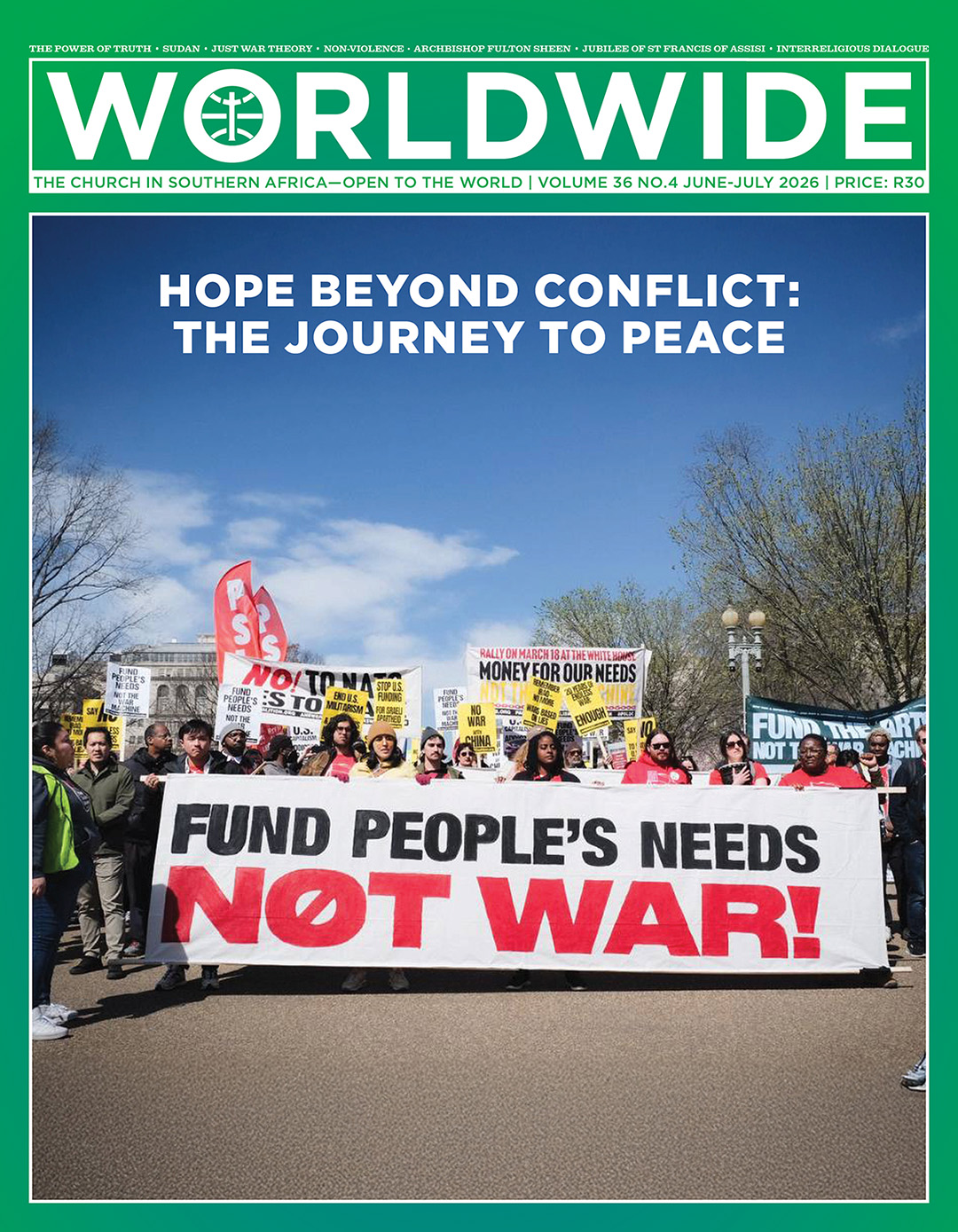
HOPE BEYOND CONFLICT: THE JOURNEY TO PEACE
“It is no coincidence that repeated calls to increase military spending, and the choices that follow, are presented by many government leaders as a justified response to external threats. The idea of the deterrent power of military might, especially nuclear deterrence, is based on the irrationality of relations between nations, built not on law, justice and trust, but on fear and domination by force.”
Message of Pope Leo XIV for the World Day of Peace 1 January 2026.
Cover Photo: Protesters in Ohio rally against US funding for the Russia‑Ukraine war, March 18, 2023. | Credit: Vincent Tsai/Peoples Watch
RADAR
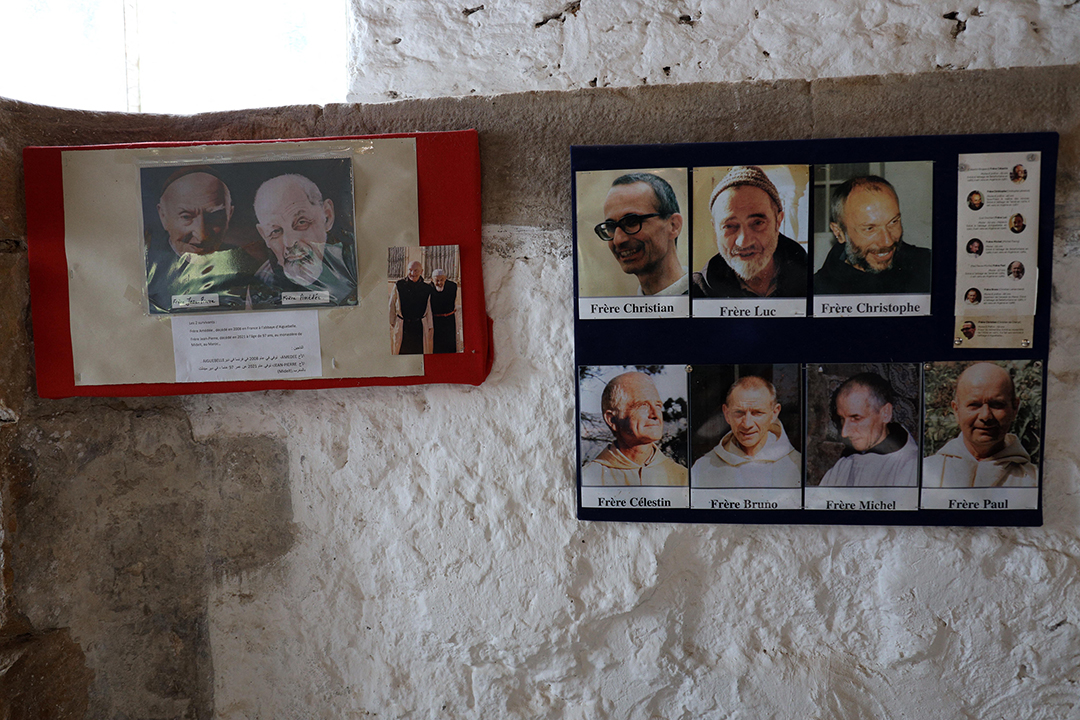
Algiers: The Church Remembers Its Martyrs
Thirty years ago, seven Trappist monks were killed because of their faith. They were beatified in 2018 alongside twelve other martyrs.
BY Fr Elio Boscaini
DURING THE night of March 26-27, 1996, seven Trappist monks of the Tibhirine monastery in Algeria were abducted by armed men. Their heads were discovered on May 30, near Médéa, a town about ninety kilometres south of Algiers, not far from their monastery. Their bodies were never found. Their deaths are dated May 21, as indicated in the statement by the Armed Islamic Group (GIA), which claimed responsibility for the atrocity.
Thirty years later, on April 13, 2026, Pope Leo XIV—the first pontiff in history to visit Algeria—paid homage to their memory in the Basilica of Our Lady of Africa in Algiers, calling the blood of the nineteen martyrs of Algeria “a living seed that never ceases to bear fruit.” This tribute also carries personal meaning: the feast of those martyrs falls on May 8, the day of Pope Leo’s election to the pontificate.
In his spiritual testament, Br Christian de Chergé, prior of the Trappist monastery of Tibhirine, imagining himself to be with his assassin at God’s throne of mercy, wrote, “And to you, too, my friend of the last moment, who will not know what you are doing. Yes, for you, too, I wish this thank-you, this ‘A-Dieu’, whose image is in you also, that we may meet in heaven, like happy thieves, if it pleases God, our common Father. Amen! Insha Allah!”
The Dark Decade
In the late 1980s, Algeria’s economic and political crisis led to the victory of the Islamic Salvation Front (FIS) in the first round of the 1991 legislative elections. The army seized power, annulled the vote, and installed Mohamed Boudiaf as president. He was killed the following year, and the country plunged into chaos: the ‘dark decade’ began, which would end with at least 150,000 deaths, including a hundred Imams. In October 1993, the GIA ordered foreigners to leave the country within a month. On May 8, 1994, the first two Christian clerics were killed: in the library run by friars and nuns in the heart of Algiers, terrorists shot Sr Paul-Hélène Saint-Raymond in the back of the head and Br Henri Vergès in the face.
The shocked small Catholic community felt under attack. Stay or leave? The Algerian bishops responded unequivocally: “The Church will never take the decision to leave.” Eventually, 19 religious people fell victim to the massacre, including six nuns. The last one was the Bishop of Oran, the Dominican Pierre Claverie, murdered along with Mohamed Bouchikhi, his 21-year-old driver and Muslim friend, with a bomb at the entrance to the bishop’s residence. In addition to the French, those killed included a Belgian, two Spaniards, and a nun born in Tunis. Altogether, the victims represented eight different religious orders.
While Algeria has drawn a veil of oblivion over those years, the Catholic Church beatified its 19 martyrs on December 8, 2018, in Oran, the first ceremony of its kind in a Muslim country. The icon depicting the martyrs, painted by Sister Odile de Santa Cruz, also features the young Mohamed, whom Pope Francis would not have hesitated to include among the blessed had he only expressed the desire to become a Christian. The bishop of Oran, now Archbishop of Algiers, Cardinal Jean-Paul Vesco, on the day of the beatification, was keen to emphasize that those martyrs died in solidarity with Muslims, together with them, not because of them.
Source: Nigrizia
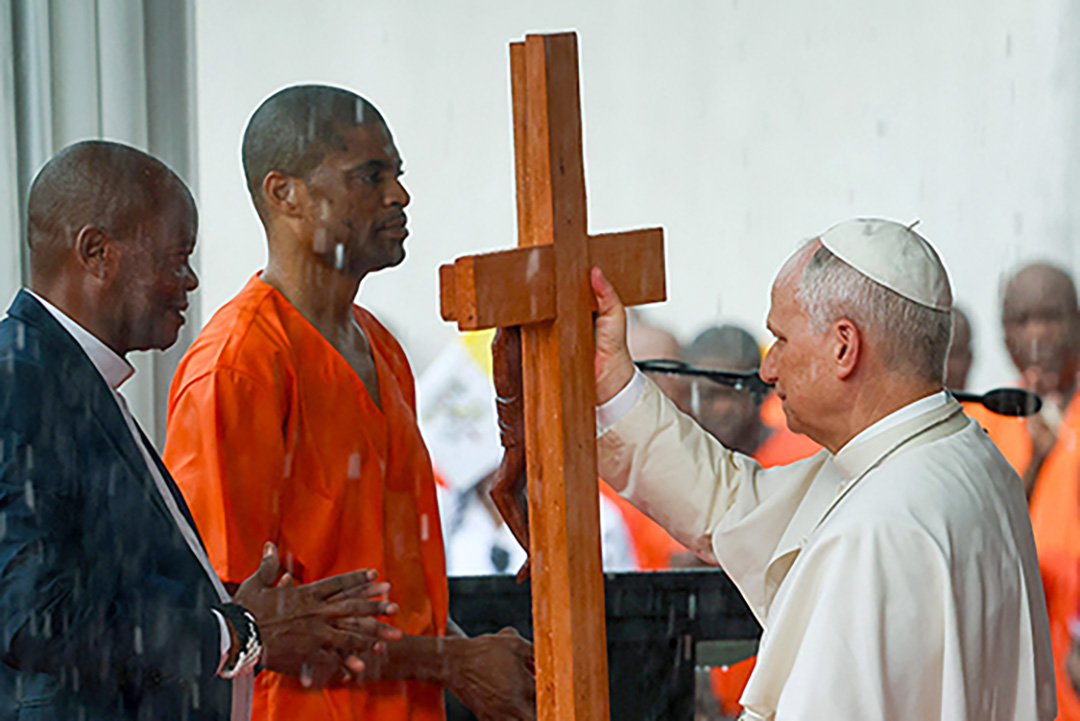
Pope Leo XIV Forges Ahead with Francis’ Ecological Legacy
One year in, Pope Leo XIV remains focused on the ecological conversion while pressing policymakers to address worsening environmental conditions.
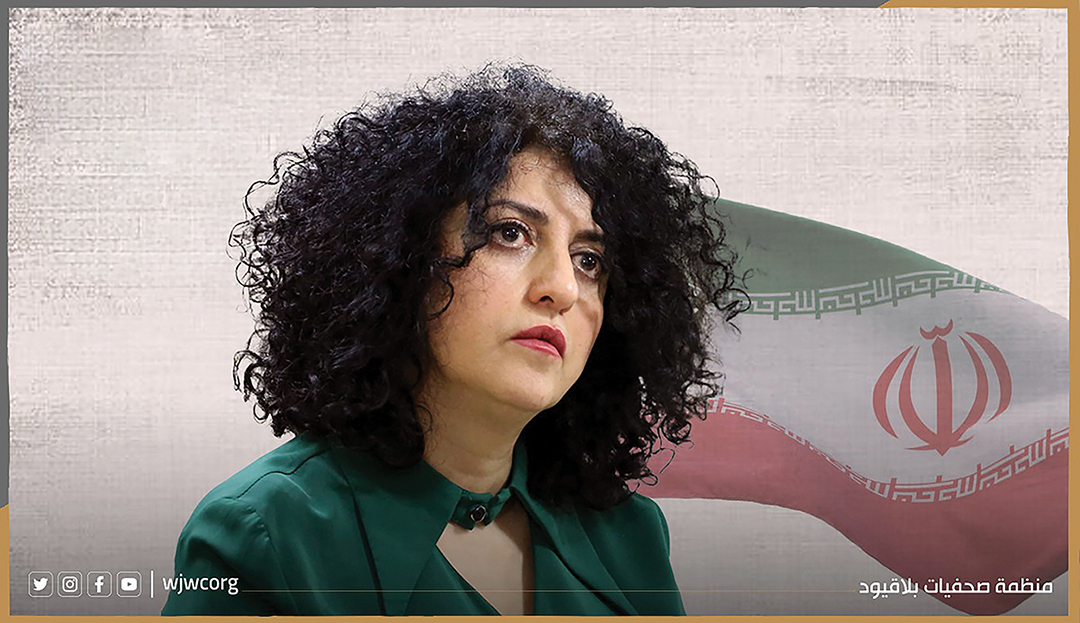
Freedom For A Prisoner Of Conscience
Imprisoned in Iran for advancing women’s rights, Nobel Peace laureate Narges Mohammadi is in critical condition, constantly denied medical attention by the authoritarian regime.
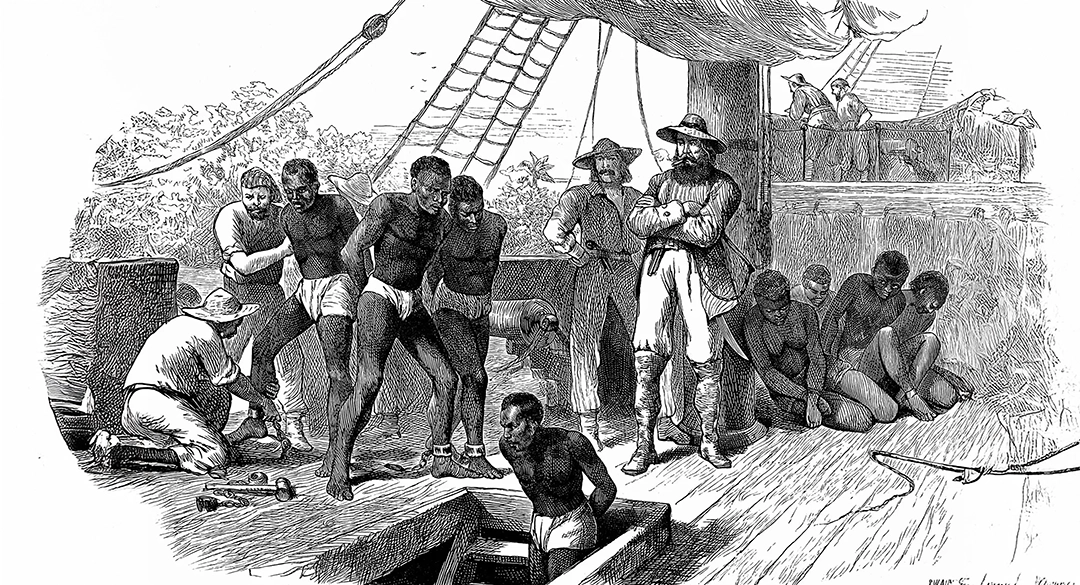
UN Historical Resolution
Slave trade is “the most serious crime against humanity”, says the UN General Assembly which calls for reparation.
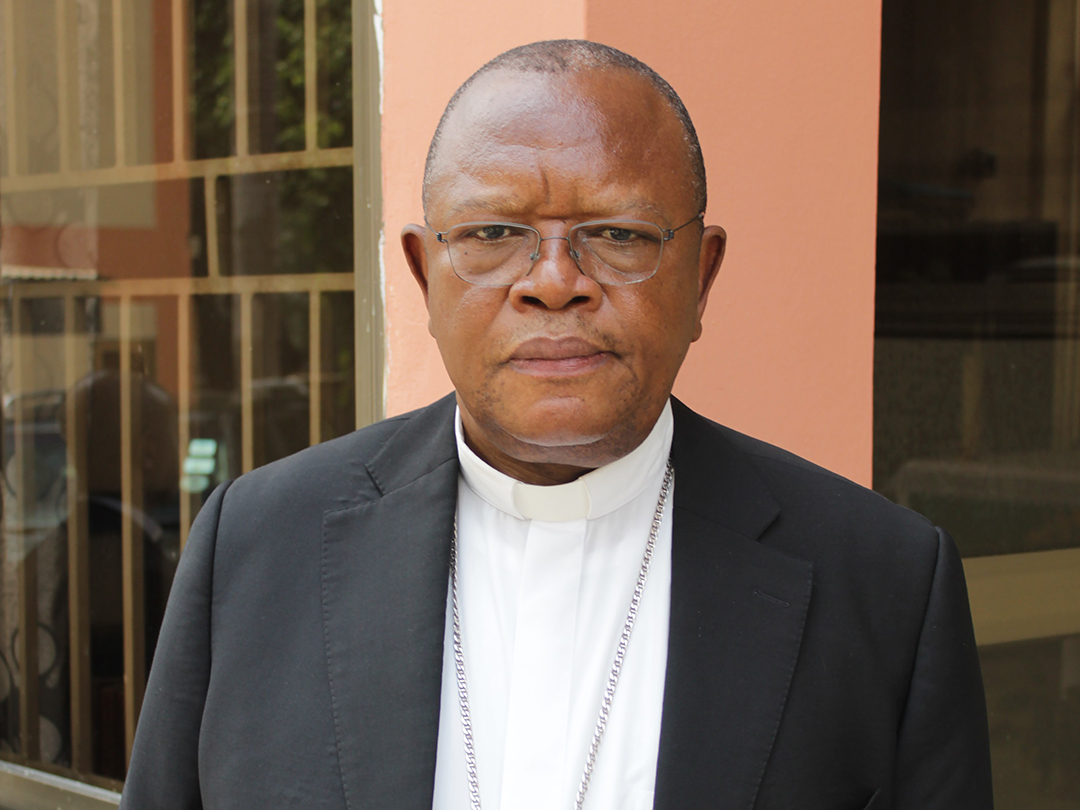
On Social Tensions and Acts of Violence Targeting Nationals of Other African Countries in South Africa: “Am I My Brother’s Keeper?” (Gen 4:9)
The Symposium of Episcopal Conferences of Africa and Madagascar (SECAM), the body for communion, consultation, and coordination of the Catholic Church in Africa and the neighbouring islands, is deeply concerned about the recent events in the Republic of South Africa, which have been marked by acts of xenophobic violence against nationals of other African countries.