
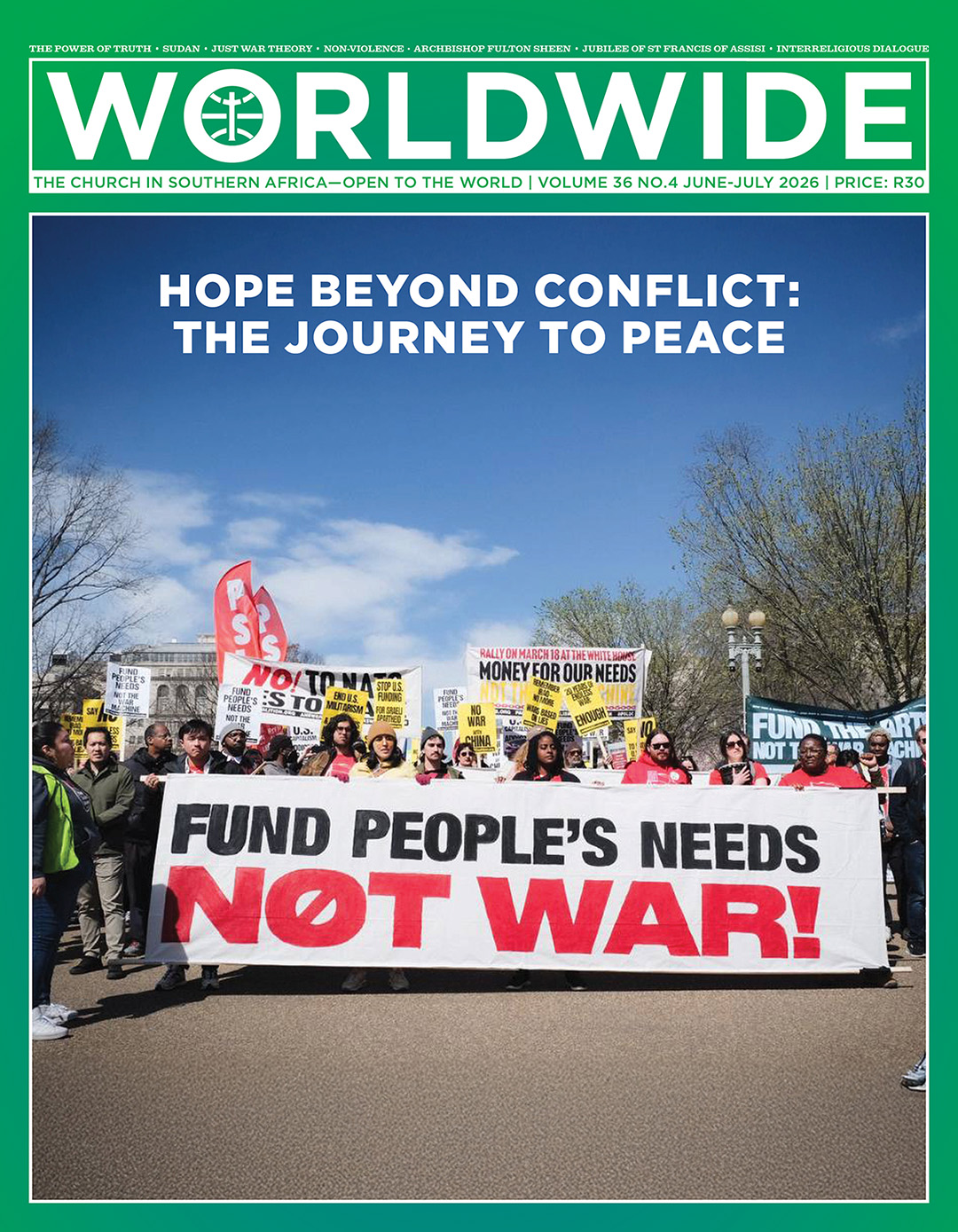
HOPE BEYOND CONFLICT: THE JOURNEY TO PEACE
“It is no coincidence that repeated calls to increase military spending, and the choices that follow, are presented by many government leaders as a justified response to external threats. The idea of the deterrent power of military might, especially nuclear deterrence, is based on the irrationality of relations between nations, built not on law, justice and trust, but on fear and domination by force.”
Message of Pope Leo XIV for the World Day of Peace 1 January 2026.
Cover Photo: Protesters in Ohio rally against US funding for the Russia‑Ukraine war, March 18, 2023. | Credit: Vincent Tsai/Peoples Watch
RADAR
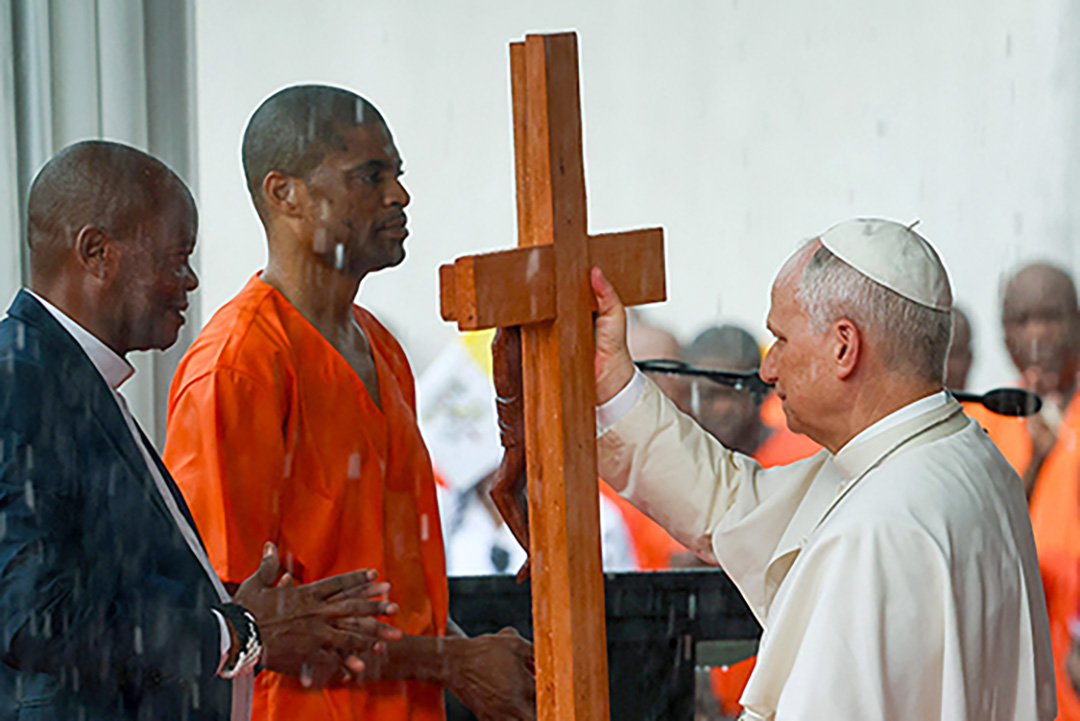
Pope Leo XIV Forges Ahead with Francis’ Ecological Legacy
One year in, Pope Leo XIV remains focused on the ecological conversion while pressing policymakers to address worsening environmental conditions.
BY Chelsea Jordan King
SINCE POPE Leo XIV assumed the papacy, one of the most closely watched questions has been how he would continue Pope Francis’ legacy on climate change. Dubbed by some as the “climate pope,” Francis made care for creation central to Catholic social teaching in the 21st century. His papacy elevated climate change into a defining moral issue, positioning the Church as a global voice urging both political accountability and personal responsibility. Leo has not retreated from that position. Rather, he is propelling it forward. From the earliest days of his papacy, he signalled continuity by calling for “urgent action” on climate change and emphasizing humanity’s responsibility to live in a “relationship of reciprocity” with the natural world. Like Francis, Leo has maintained that care for the earth cannot be separated from care for the poor, and has demonstrated a willingness to confront the structural drivers of environmental harm, criticizing economic systems that prioritize extraction and profit over human dignity and ecological health. Leo has pressed policymakers and other leaders to move beyond rhetoric and implement concrete action to address worsening environmental conditions. He has encouraged Catholics not only to support policy change but to demand it by urging the faithful to hold leaders accountable for protecting the common good.
A Call for Ecological Education
Where Francis sounded the alarm, Leo has remained focused on what he calls ecological conversion: a transformation of heart and mind. This concept, rooted in Laudato Si’, underscores that lasting change requires more than policy reform — it requires a reorientation of how people see the world and their place within it. Both Francis and Leo are asking the Church to help people to recognize the earth as a gift, the poor as neighbours, and themselves as participants in a web of relationships rather than consumers moving through a landscape. Younger generations are experiencing the crisis in profoundly personal ways. A recent survey at the Sacred Heart University (Connecticut, United States) found eco-anxiety among Americans ages 19 to 29 to be exceptionally high (68.5%), with respondents expressing both deep concern and a sense of powerlessness. In a message to French scouts, Leo urges them “go forward without losing hope … without becoming discouraged … and without giving in to pessimism,” framing ecological anxiety not as a dead end but as a call to renewed commitment. He called for an ecological education that addresses not only biodiversity loss but also global inequality, water scarcity, and energy access. This reflects the same “everything is connected” vision articulated by Francis, but with a renewed focus on how that awareness is cultivated.
The Challenges Remain Immense
Pope Leo speaks about the need for empathy for others, regardless of where they reside, and for us to form a deeper connection with the earth. That includes financial, vocal, and actionable support for climate activism and supporting those who will work toward positive change. He also talks about personal lifestyle changes, for Churches to establish their own local projects and programs focused on supporting nature, and political and economic reform through international agreements, renewable energy investments, better resource management, and increased corporate responsibility. Still, the challenges remain immense. Political divisions persist, economic incentives often run counter to environmental goals, and the pace of change continues to lag behind the scale of the crisis. One year into his papacy, Pope Leo XIV is making clear that this work is ongoing. The Church has already found its voice on climate. The question now is how that call to ecological conversion will take root.
Source: NCR
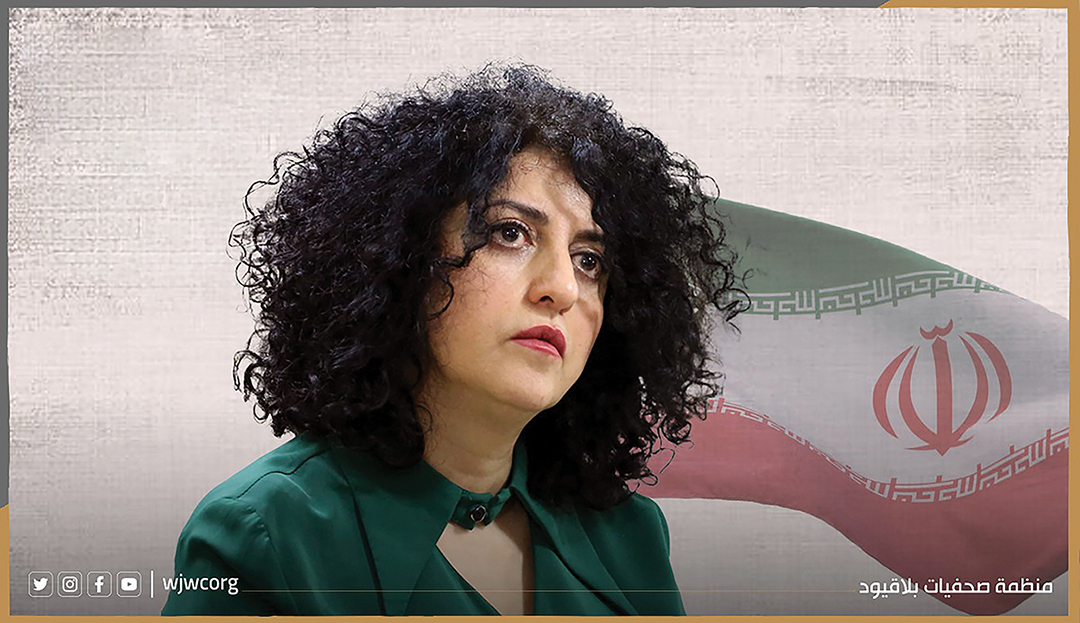
Freedom For A Prisoner Of Conscience
Imprisoned in Iran for advancing women’s rights, Nobel Peace laureate Narges Mohammadi is in critical condition, constantly denied medical attention by the authoritarian regime.
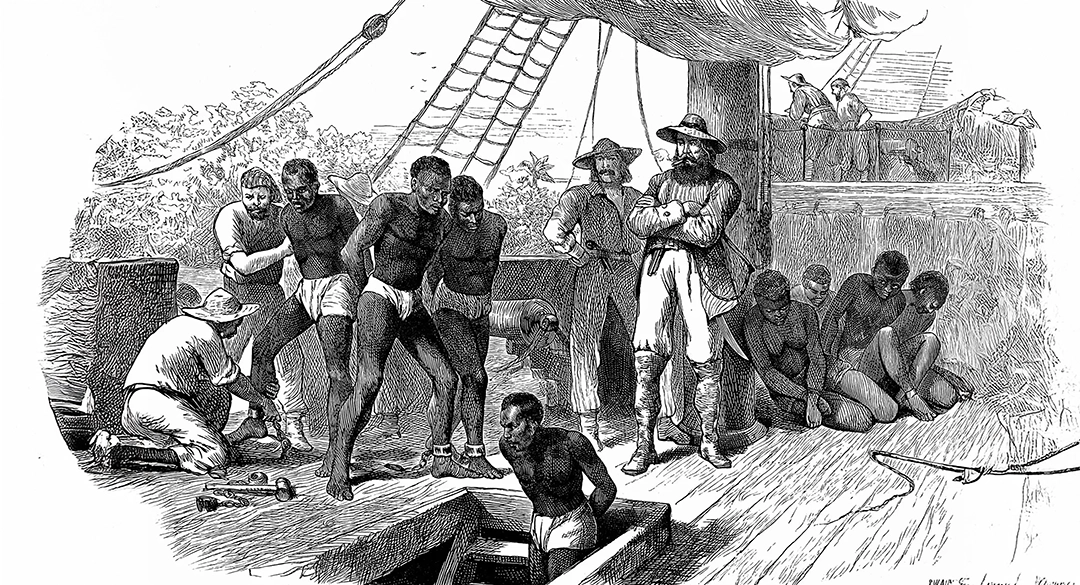
UN Historical Resolution
Slave trade is “the most serious crime against humanity”, says the UN General Assembly which calls for reparation.
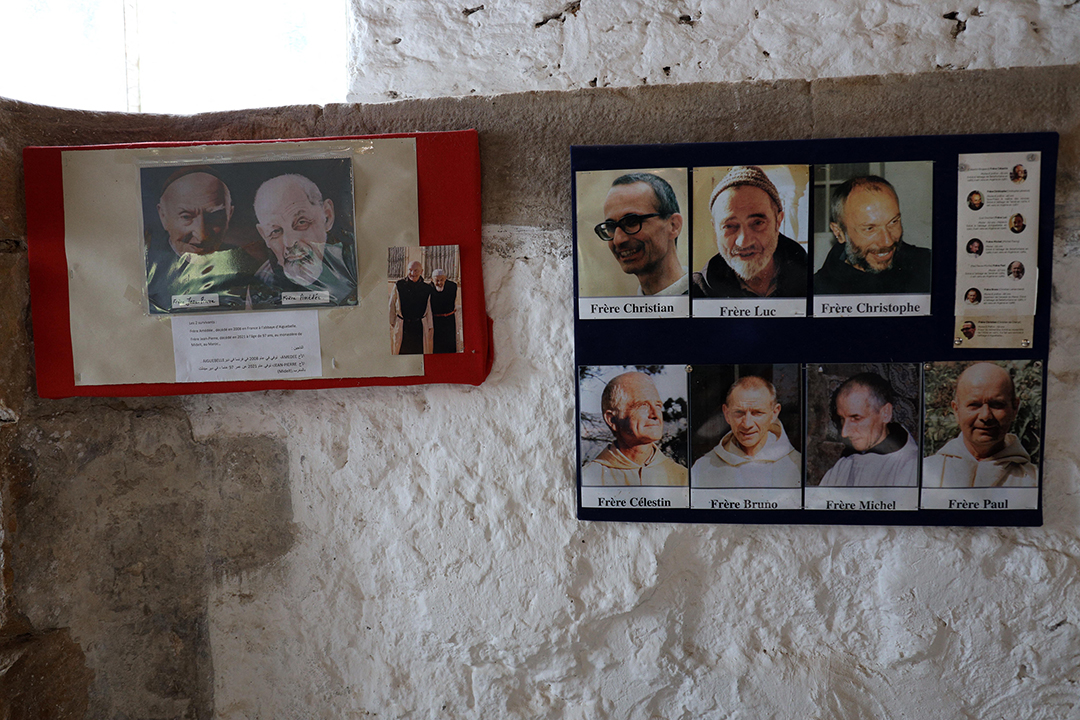
Algiers: The Church Remembers Its Martyrs
Thirty years ago, seven Trappist monks were killed because of their faith. They were beatified in 2018 alongside twelve other martyrs.
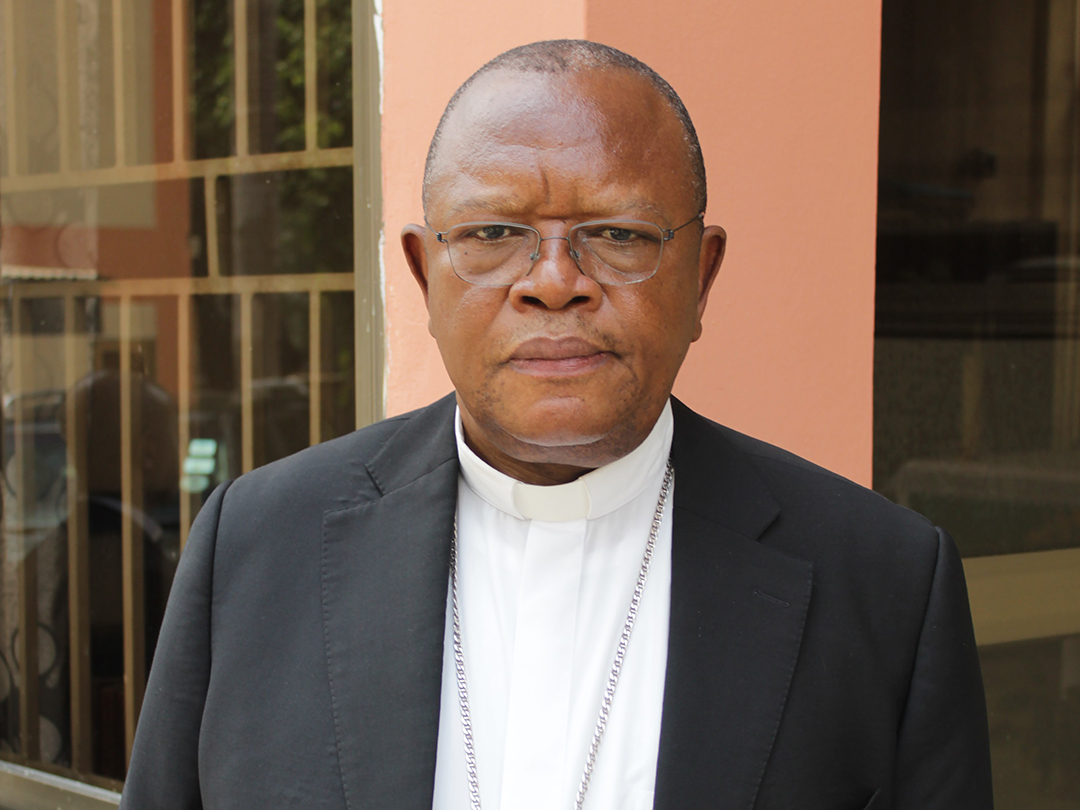
On Social Tensions and Acts of Violence Targeting Nationals of Other African Countries in South Africa: “Am I My Brother’s Keeper?” (Gen 4:9)
The Symposium of Episcopal Conferences of Africa and Madagascar (SECAM), the body for communion, consultation, and coordination of the Catholic Church in Africa and the neighbouring islands, is deeply concerned about the recent events in the Republic of South Africa, which have been marked by acts of xenophobic violence against nationals of other African countries.