
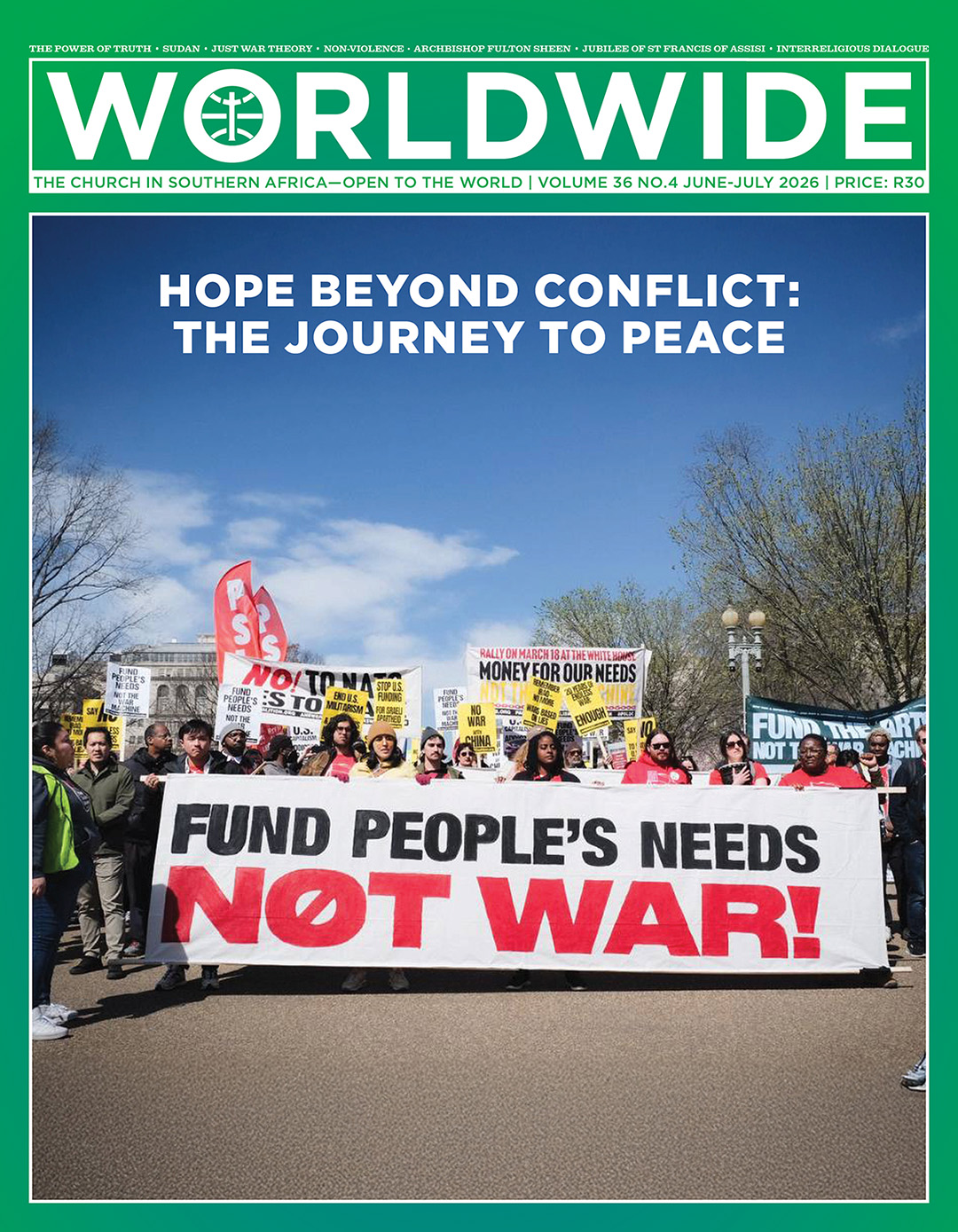
HOPE BEYOND CONFLICT: THE JOURNEY TO PEACE
“It is no coincidence that repeated calls to increase military spending, and the choices that follow, are presented by many government leaders as a justified response to external threats. The idea of the deterrent power of military might, especially nuclear deterrence, is based on the irrationality of relations between nations, built not on law, justice and trust, but on fear and domination by force.”
Message of Pope Leo XIV for the World Day of Peace 1 January 2026.
Cover Photo: Protesters in Ohio rally against US funding for the Russia‑Ukraine war, March 18, 2023. | Credit: Vincent Tsai/Peoples Watch
RADAR
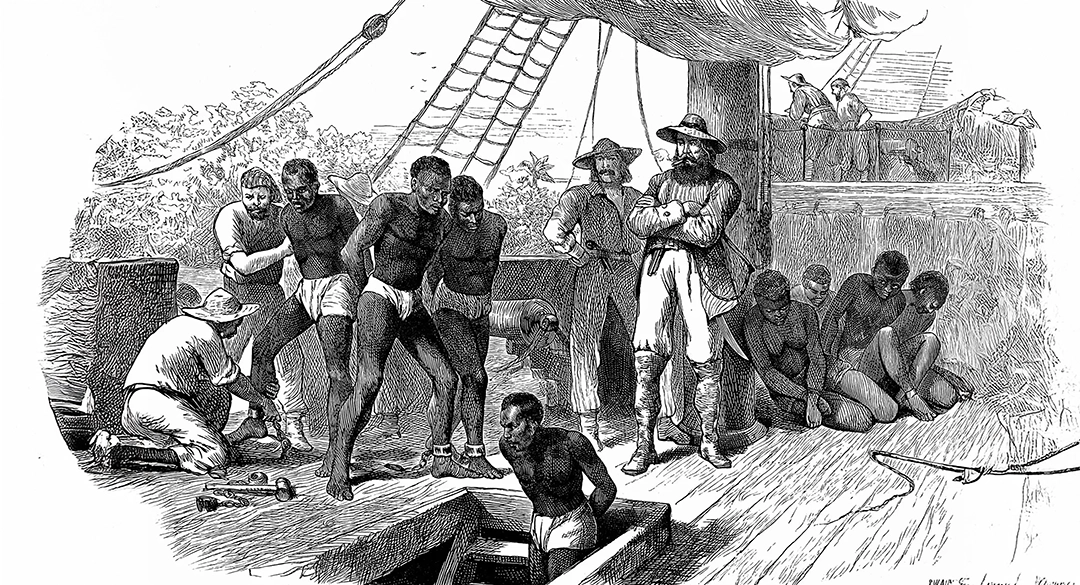
UN Historical Resolution
Slave trade is “the most serious crime against humanity”, says the UN General Assembly which calls for reparation.
BY Marco Aime
ON MARCH 25, 2026, with 123 votes in favour, 3 against, and 52 abstentions, the UN General Assembly approved a resolution defining the slave trade as “the most serious crime against humanity” and, for the first time in history, calling on member states to initiate reparation as a “concrete step towards remedying historical injustices.” On the one hand, one can only be satisfied with the historical recognition of the greatest criminal act in history. On the other, one must say that it is about time the magnitude and violence of a practice that lasted three centuries and is too often hidden in history texts were acknowledged.
There is a Holocaust Remembrance Day for the victims of the Holocaust, but a day has never been established for those of the slave trade. It is worth reflecting on the three no votes from the United States, Argentina, and Israel: the former are among the main beneficiaries of the enslavement of Africans deported and exploited. Argentina’s vote appears marked by a shift toward the United States and the far-right vision of the Milei government. Finally, Israel, which perhaps sees the recognition of “the most serious crime against humanity” as a downplaying of the uniqueness of the Holocaust. The 52 abstentions include Great Britain and the European Union. An ambiguous and hypocritical abstention: it was precisely the Europeans—particularly the English, French, Portuguese, and Spanish—who were the main players in the slave trade. These countries acknowledged the tragedy but failed to make the reparations commitments referred to in the UN document. Among the initiative’s protagonists is Ghanaian President John Dramani Mahama. This is a sobering fact: Ghana, like other Gulf of Guinea countries, was one of the departure points for slave ships to the Americas, but not only that. The Ashanti, who had built an important kingdom in what is now Ghana, were among the greatest slave raiders.
Source: Nigrizia
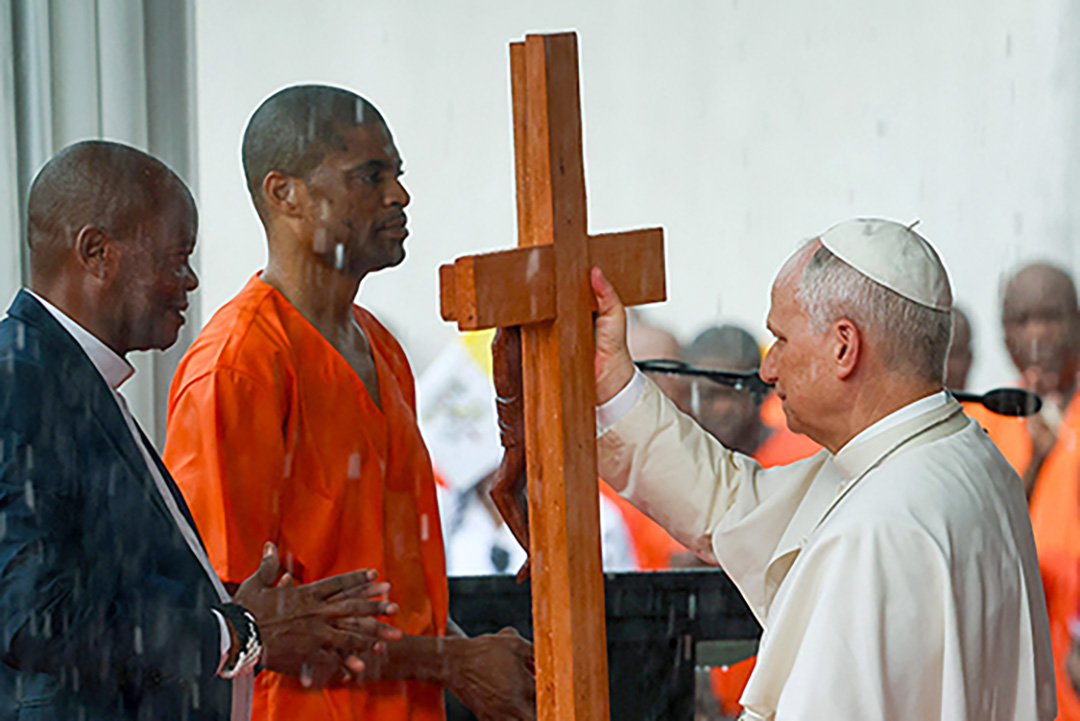
Pope Leo XIV Forges Ahead with Francis’ Ecological Legacy
One year in, Pope Leo XIV remains focused on the ecological conversion while pressing policymakers to address worsening environmental conditions.
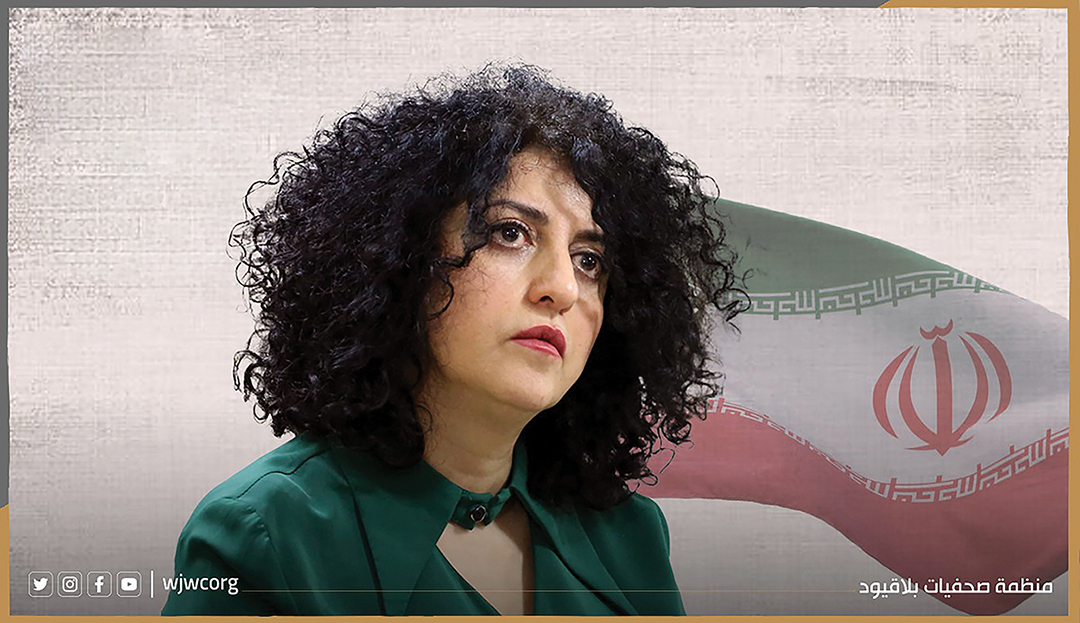
Freedom For A Prisoner Of Conscience
Imprisoned in Iran for advancing women’s rights, Nobel Peace laureate Narges Mohammadi is in critical condition, constantly denied medical attention by the authoritarian regime.
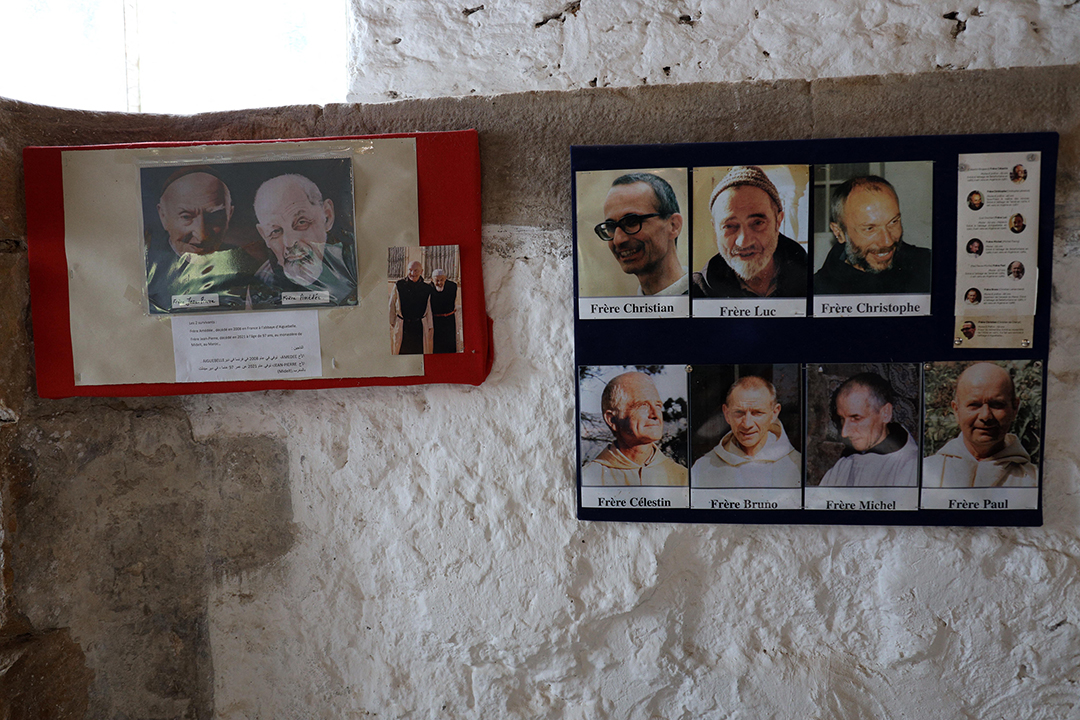
Algiers: The Church Remembers Its Martyrs
Thirty years ago, seven Trappist monks were killed because of their faith. They were beatified in 2018 alongside twelve other martyrs.
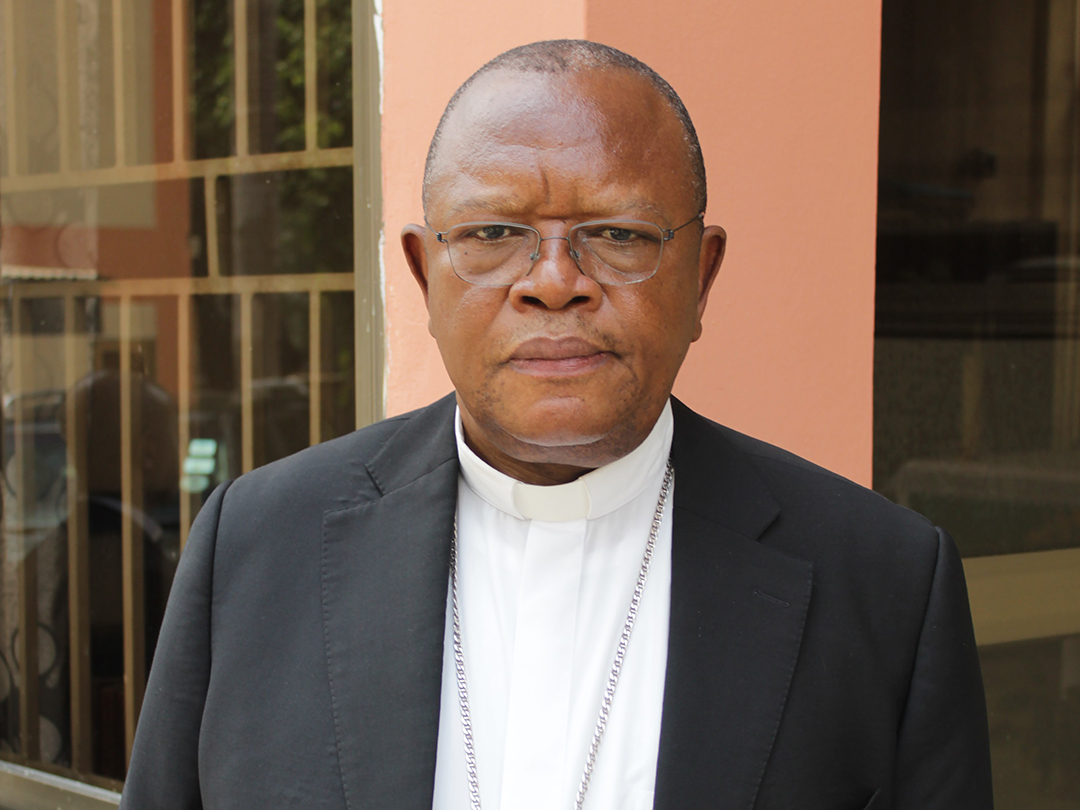
On Social Tensions and Acts of Violence Targeting Nationals of Other African Countries in South Africa: “Am I My Brother’s Keeper?” (Gen 4:9)
The Symposium of Episcopal Conferences of Africa and Madagascar (SECAM), the body for communion, consultation, and coordination of the Catholic Church in Africa and the neighbouring islands, is deeply concerned about the recent events in the Republic of South Africa, which have been marked by acts of xenophobic violence against nationals of other African countries.