
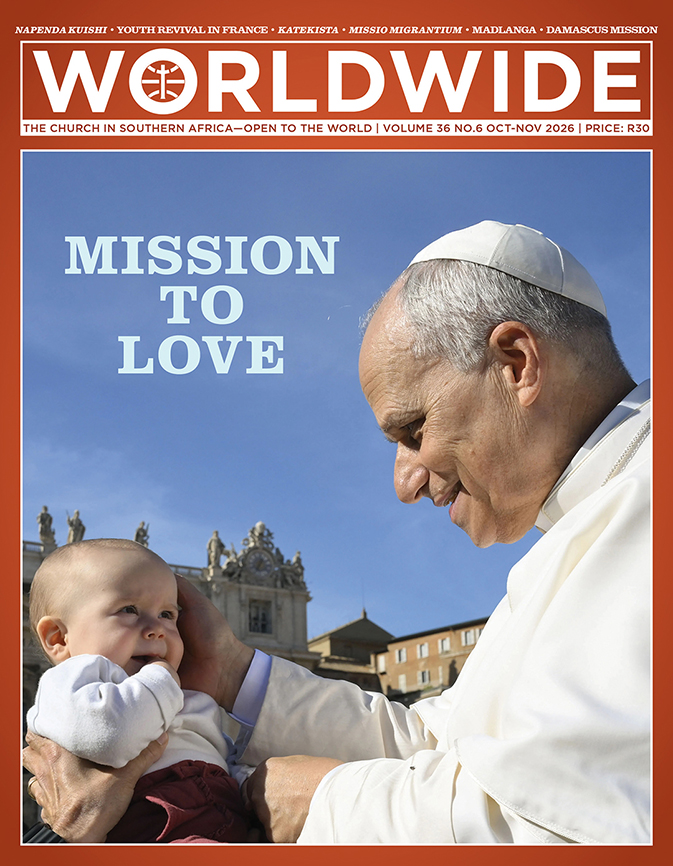
MISSION TO LOVE
Pope Leo XIV smiles while blessing a baby in St Peter’s Square—a gesture reflecting his closeness to the “little ones.” In his message for the centenary of World Mission Day in 2026, the Pontiff emphasizes: “The mission of the disciples and the Church as a whole is to continue the mission of Christ in the Holy Spirit: a mission born of love, lived in love, and leading to love” (§ 3).
Photo Credit: Francesca Pollio Fenton/aciafrica.org
Focus • NAPENDA KUISHI
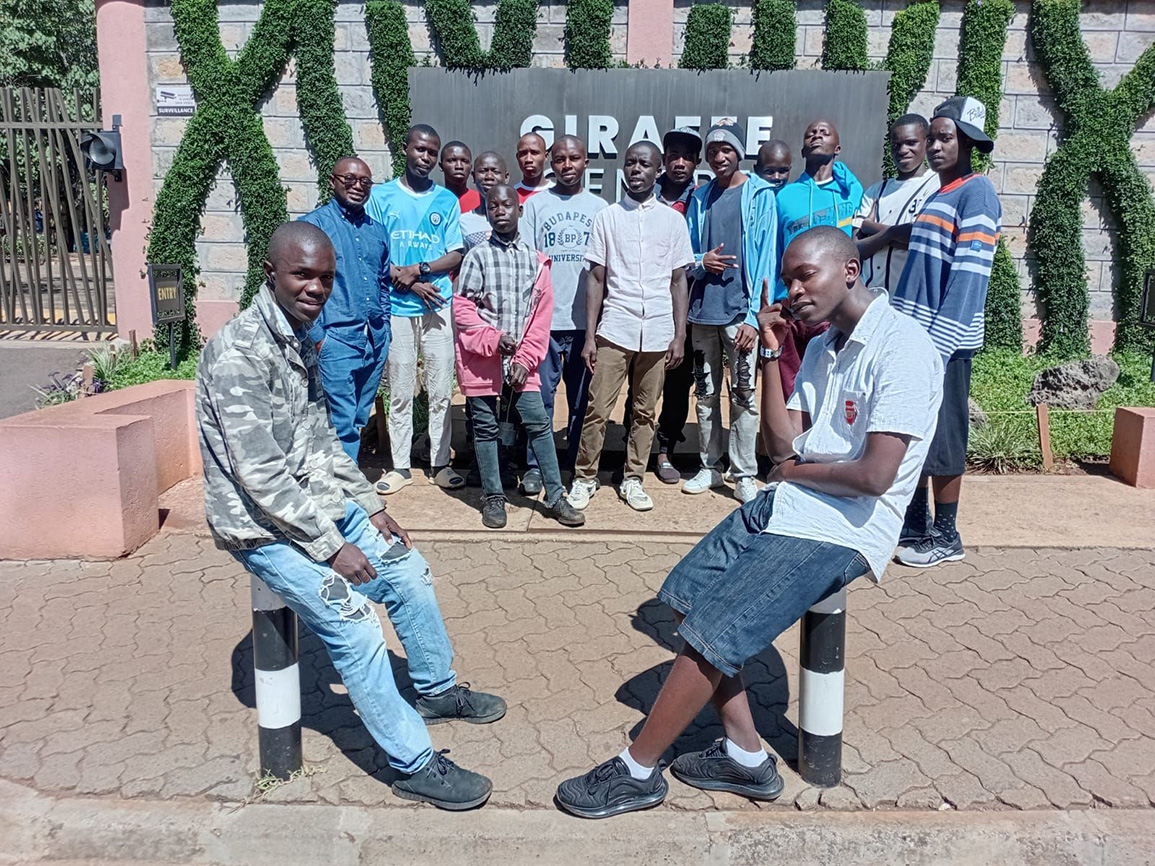
LIVING THE MISSION AD GENTES IN KOROGOCHO
Inside Napenda Kuishi, a critical rehabilitation program led by the Comboni Missionaries, hope is brought to street-connected youth who are often feared or cast aside by society.
Text and Photos By Fr Jean-Paul Katembo Muhandiro MCCJ
IN THE heart of Nairobi, Kenya, lies Korogocho, one of the largest informal settlements in East Africa. Characterized by severe overcrowding, profound poverty, systemic violence, and its proximity to the toxic Dandora dumping site, Korogocho presents a landscape of marginalization. Within this challenging environment, the Napenda Kuishi Rehabilitation Program Trust stands as a beacon of hope and transformation. Founded by the Comboni Missionaries in 2006–2007, the name itself—Kiswahili for “I love to live “—was chosen directly by street children being rehabilitated. This name reflects a profound cry for survival and human dignity.
As a young Comboni missionary, serving at Napenda Kuishi gives me an opportunity to live our charism concretely and to actualize the vision of St Daniel Comboni for Africa. Prior to this particular ministry, I served in our rural mission of West Pokot (Amakuriat Mother of Peace Parish). The latter was a different reality of first evangelization, paired with human promotion, different from urban ministry. There, we addressed issues related to access to water, education, women’s empowerment, and hunger. The shift from ministry among the pastoralists to urban ministry was not without challenges. Nonetheless, my Comboni formation has imbued me with the value of being available and flexible to serve wherever I am assigned.
Making Common Cause with the “Poorest and Most Abandoned”
The cornerstone of St Daniel Comboni’s charism is a prophetic commitment to the poorest and most abandoned of society. Comboni did not seek easy terrain; he sought the margins where human suffering was most acute.
The decision of the Comboni Missionaries at Kariobangi to establish Napenda Kuishi in Korogocho and the surrounding area directly mirrors this fundamental drive. The street teens and young men served by the trust are heavily marginalized. Trapped in cycles of substance abuse—including sniffing industrial glue, using toxic pain medications, and consuming dangerous local brews like chang’aa—these youth are frequently dismissed by wider society as criminals and rogues.
By establishing drop-in facilities like the Boma Rescue Centre and Kisumu Ndogo Centre in the middle of the slums, the Napenda Kuishi program makes common cause with them. This radical presence echoes Comboni’s historic vow to the people of Africa: “I make common cause with each one of you, and the happiest day of my life will be the one on which I may give my life for you.” Napenda Kuishi puts this vow into action daily. The program meets the youth amidst the violence and neglect of street life, offering a safe sanctuary rather than passing judgment.
Empowerment and Peer-Led Liberation
In essence, the extreme poverty of Korogocho is not incidental; it is the result of structural injustice, economic exclusion, and systemic corruption. Our program is clearly both an antidote to criminalization and a process of restoring God’s image (Imago Dei) in the lives of these street youth. Society often structuralizes sin by labeling street-involved youth as “thugs,” “criminals,” or “worthless,” thereby absolving the state and upper classes of responsibility. Importantly, through its rehabilitation and national technical certifications (NITA), Napenda Kuishi actively fights this systemic stigmatization. By transforming a youth from an outcast into an accredited technician, the program compels society to recognize their inherent dignity.
One of St Daniel Comboni’s most revolutionary insights was his Plan for the Regeneration of Africa, summarized in the paradigm: “Save Africa with Africa.” Comboni recognized that true transformation happens when marginalized individuals are empowered to become the primary agents of their own liberation, rather than remaining passive recipients of charity.
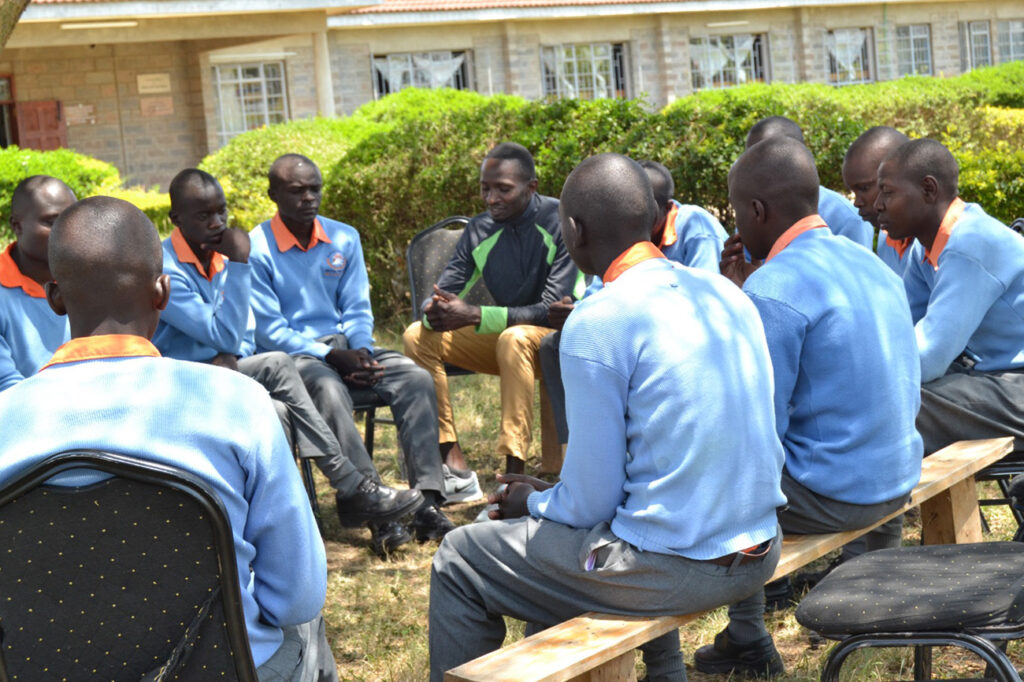
Napenda Kuishi integrates this principle into its rehabilitation framework through a gradual shift from intensive care to peer leadership and community reintegration. The journey begins with survival at drop-in rescue centers and moves into holistic therapy at the Napenda Rehabilitation Center-Gataka. However, the defining Comboni moment occurs when rehabilitated youths return to the program as mentors. Currently, we have former clients who are part of our large staff contingent. Also, former clients who transition into stable life choices frequently return to the residential centres. They do so to interact with their peers, demonstrating peer leadership, shared healing, and resilience. When a young man from Korogocho who once survived on the streets stands before current clients as a living example of recovery, the Comboni charism comes alive. The youth cease to be a statistic of urban poverty; he becomes an active transformer of his own community.
Integration of Evangelization and Human Promotion
For the Comboni Missionaries, proclaiming the Gospel cannot be separated from uplifting the material conditions of human life. This dynamic intersection of evangelization and human promotion forms the core operational strategy of Napenda Kuishi. The program recognizes that youth are not disposed to hearing a message of spiritual hope if they are suffering from the physical pain of withdrawal, malnutrition, or trauma.
The Trust addresses this reality through a structured, multi-dimensional curriculum.
Psychological and Emotional Restructuring: Through professional individual and group counseling, art therapy, and life skills seminars, the program addresses the deep-seated trauma that drives youth to the streets.
Physical Well-being: The program runs a critical feeding program and offers comprehensive medical care, restoring physical health compromised by the harsh slum environment.
Occupational Therapy: Through hands-on activities, sports, and agricultural work at the Napenda Kuishi Home farm, the Trust helps young men rebuild their physical health through discipline and a healthy work ethic.
This comprehensive model mirrors Comboni’s original vision: every mission he built combined a church, a school, a workshop, and a farm. These stations were centres designed to care for the human person holistically and integrally.
From Rehabilitation to Self-Reliance
A key aspect of St Daniel Comboni’s vision was ensuring long-term sustainability and dignity through skills training. He understood that charity without economic empowerment offers merely temporary relief. Napenda Kuishi fulfills his vision through the Daniel Comboni Vocational Training Centre located in Kibiko, Ngong.
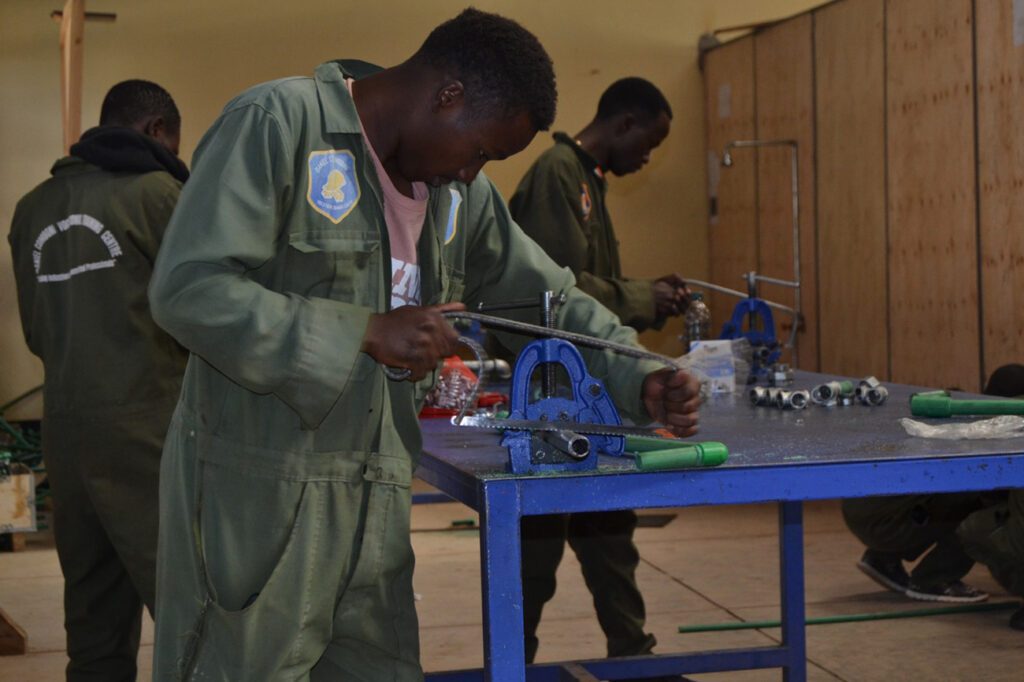
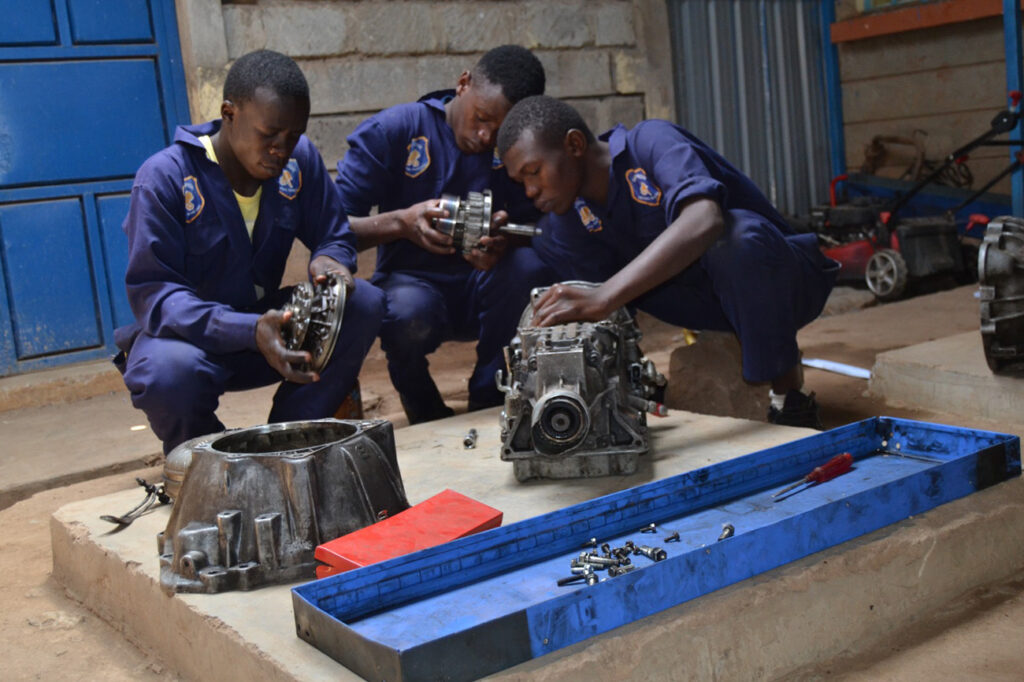
Once the young men complete their initial one-year rehabilitation program, they transition into formal vocational training. Here, they acquire practical, NITA-certified skills in vital technical trades: Carpentry and Joinery, Electrical Wiring, Welding and Fabrication, Plumbing and Masonry, Automotive Mechanics, and soon also Food and Beverage.
By graduating with recognized national certifications, these young men are prepared for the job market or for self-employment. They return to society not as dependents, but as skilled technicians, earners, and active contributors to the Kenyan economy. This focus on self-reliance is a direct modern application of Comboni’s desire to see African communities stand strong on their own feet.
He understood that charity without economic empowerment offers only temporary relief.
The Evolving Mission
St Daniel Comboni was known for reading the signs of the times and finding innovative ways to respond. Today, Napenda Kuishi demonstrates that same missionary agility on the ground. When founded, the Trust primarily focused on younger street children. However, in 2015, the Comboni Missionaries conducted a thorough social analysis of the realities across the Kariobangi parish zone, including Korogocho, Mathare, Huruma, and Dandora. The study revealed that while many Non-Governmental Organizations (NGOs) provided services for younger children, street teenagers and young men were largely left behind. Because of their size and age, these older youths were often feared rather than helped, leaving them highly vulnerable to crime, police violence, and drug addiction.
In response to this analysis, Napenda Kuishi adapted its strategy to focus directly on teenagers and young men. This structural shift shows how the Comboni charism remains responsive to the signs of the times, moving dynamically to fill the gaps where human suffering is most neglected.
Indeed, the context of the Korogocho slums and our commitment shifts the approach to social justice from objective charity to radical solidarity. First, we transform empathy into action: Looking at the Pierced Heart allows missionaries and social workers to see the wounds of Christ mirrored in the broken bodies and spirits of drug-addicted street youth. Secondly, we overcome apathy: Instead of viewing a young man sniffing glue near the Dandora dumpsite with disgust, the Theology of the Heart of Jesus moves us to see a human infinitely loved by God. Thirdly, through our solidarity, we risk: This spirituality gives us at Napenda Kuishi the courage to operate in insecure environments, entering the “wounds” of society just as Christ allowed His own heart to be pierced for the world.
A Living Monument to Comboni’s Dream
The Napenda Kuishi Rehabilitation Program Trust is a living expression of the Comboni missionary charism in the 21st century. By stepping into the realities of the Korogocho slum, the program looks past societal stigmas to see the image of God in every street-involved youth.
Through drop-in rescue shelters, intensive residential therapy, peer-led mentorship, and professional technical education, Napenda Kuishi walks with young men from survival to self-reliance. In doing so, it fulfills the deepest dream of St Daniel Comboni: restoring human dignity, empowering local communities from within, and transforming spaces of despair into stories of hope.
Catholic Schools Week: Walking in the Footsteps of St Francis
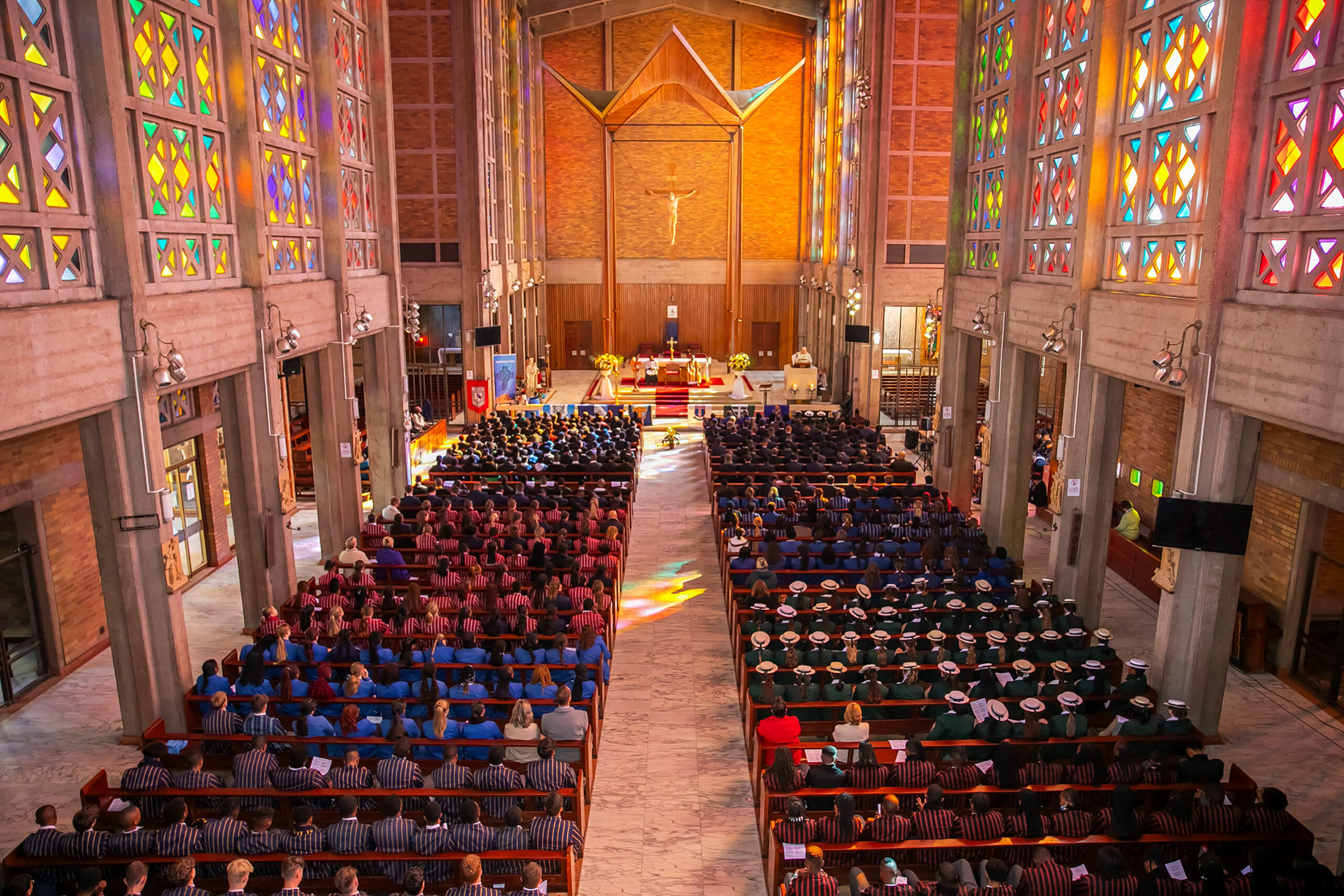
For more than a decade, Catholic Schools in the Archdiocese of Johannesburg and Pretoria have marked Catholic Schools Sunday and Week as a joyful celebration of the distinctive mission and identity of Catholic education.