
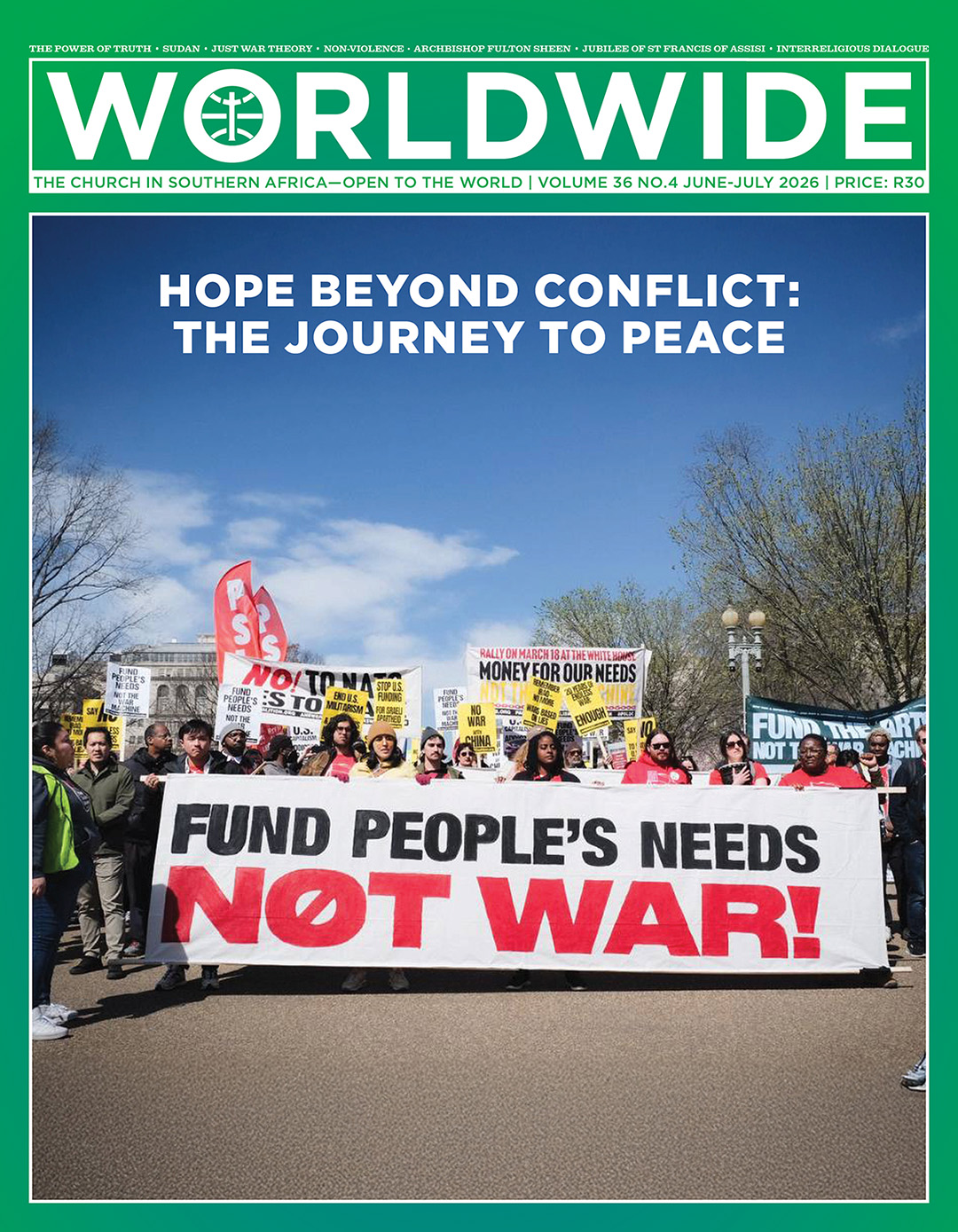
HOPE BEYOND CONFLICT: THE JOURNEY TO PEACE
“It is no coincidence that repeated calls to increase military spending, and the choices that follow, are presented by many government leaders as a justified response to external threats. The idea of the deterrent power of military might, especially nuclear deterrence, is based on the irrationality of relations between nations, built not on law, justice and trust, but on fear and domination by force.”
Message of Pope Leo XIV for the World Day of Peace 1 January 2026.
Cover Photo: Protesters in Ohio rally against US funding for the Russia‑Ukraine war, March 18, 2023. | Credit: Vincent Tsai/Peoples Watch
RADAR
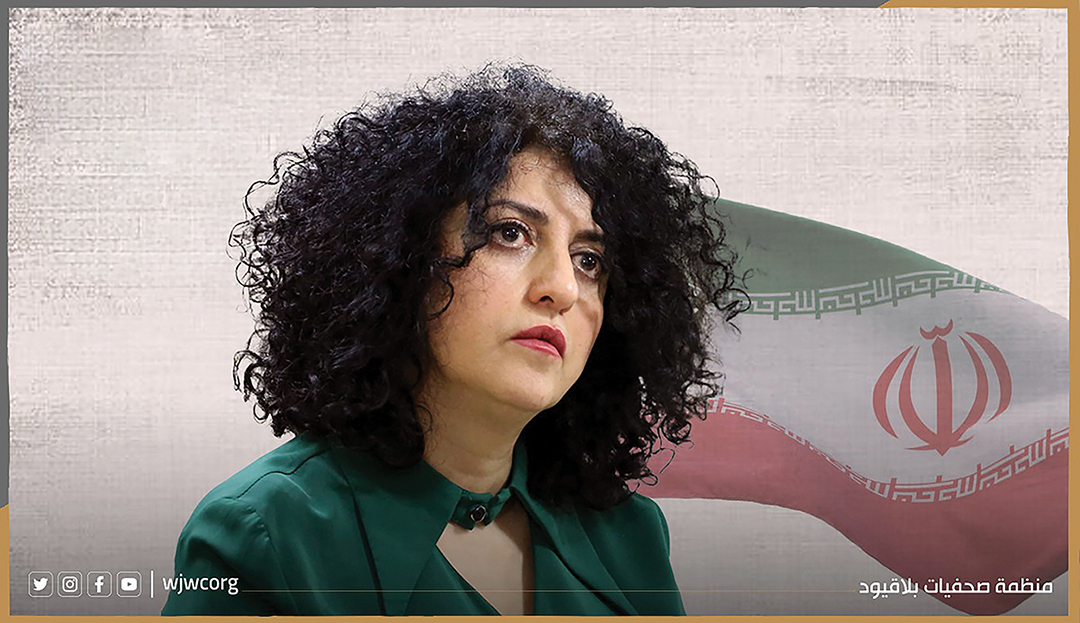
Credit: Women Journalists Without Chains | Source: wjwc.org
Freedom For A Prisoner Of Conscience
Imprisoned in Iran for advancing women’s rights, Nobel Peace laureate Narges Mohammadi is in critical condition, constantly denied medical attention by the authoritarian regime.
BY
Tess McClure / The Guardian
| Adapted by Worldwide Editorial
AMNESTY INTERNATIONAL and a host of human rights organizations around the world are calling for the immediate release of Nobel Peace Prize laureate and human rights defender Narges Mohammadi, held in prison in Iran in critical condition. She has faced reprisals for nearly 25 years, including repeated convictions for peaceful activism; in February 2026, she reported receiving a further sentence of seven years and six months and other penalties. Since her arbitrary re-arrest in Mashhad on December 12, 2025, she has been held in Zanjan prison and denied adequate medical care despite serious heart disease and worsening symptoms. She suffered a heart attack on March 24, 2026 and requires urgent specialist treatment in a hospital outside prison in Tehran. Iranian authorities have a documented pattern of delaying or conditioning her access to care, including returning her to prison against medical advice after emergency heart surgery in February 2022 and obstructing hospital transfer again in November 2023.
Solitary Confinement
In an exclusive extract of writing smuggled from prison in Iran, the Nobel peace prize laureate Narges Mohammadi has described the “torture” of solitary confinement, and her systematic medical neglect by the prison system.
The writing from the past decade will be part of a soon to be published memoir that gives a rare and alarming insight into the treatment of Mohammadi. It details beatings, constant interrogations, deprivation of medical care and long stretches in solitary confinement during her numerous imprisonments.
“There is no hardship worse than illness combined with imprisonment,” she wrote. “Authoritarian regimes do not always need an executioner’s rope. Sometimes, they simply wait for the human body to fail.”
Narges Mohammadi is held in prison in critical condition. Credit: Women Journalists Without Chains | Source: wjwc.org
After those words were written and she was rearrested, Mohammadi’s health hit another crisis point this year, with her weight dropping by more than 20kg. She was found unconscious in her cell after an apparent heart attack in March. Requests by her family and doctors for her to receive proper medical treatment from her team of surgeons in Tehran were repeatedly denied. She is now being held at a small regional hospital in Zanjan, in a critical condition.
Her Memoir
Her family have said her ongoing detention and the refusal of proper medical care constitute a “slow execution”. Mohammadi wrote of how her stretches in prison have caused significant damage to her health. She has suffered a pulmonary embolism, seizures, multiple infections, chest pain and other life-threatening medical events in prison, and describes the agonising wait for often inadequate medical care.
The writings were smuggled out by fellow prisoners and visitors during Mohammadi’s time in Iran’s notorious Evin, Qarchak and Zanjan prisons, at considerable risk to their own safety.
The memoir, A Woman Never Stops Fighting, will be published in September. It covers Mohammadi’s early life, the way her parents helped inspire her political convictions, her path into activism, and the many years she spent in prison for public protest.
Mohammadi has been arrested 14 times for her activism on advancing women’s rights in Iran, improving the conditions of prisoners and ending the regime’s use of the death penalty. She has been sentenced to a total of 44 years in prison and 154 lashes across a number of convictions. The campaigner was awarded the Nobel peace prize while in prison in 2023, during the Women, Life, Freedom protests.
Source: The Guardian
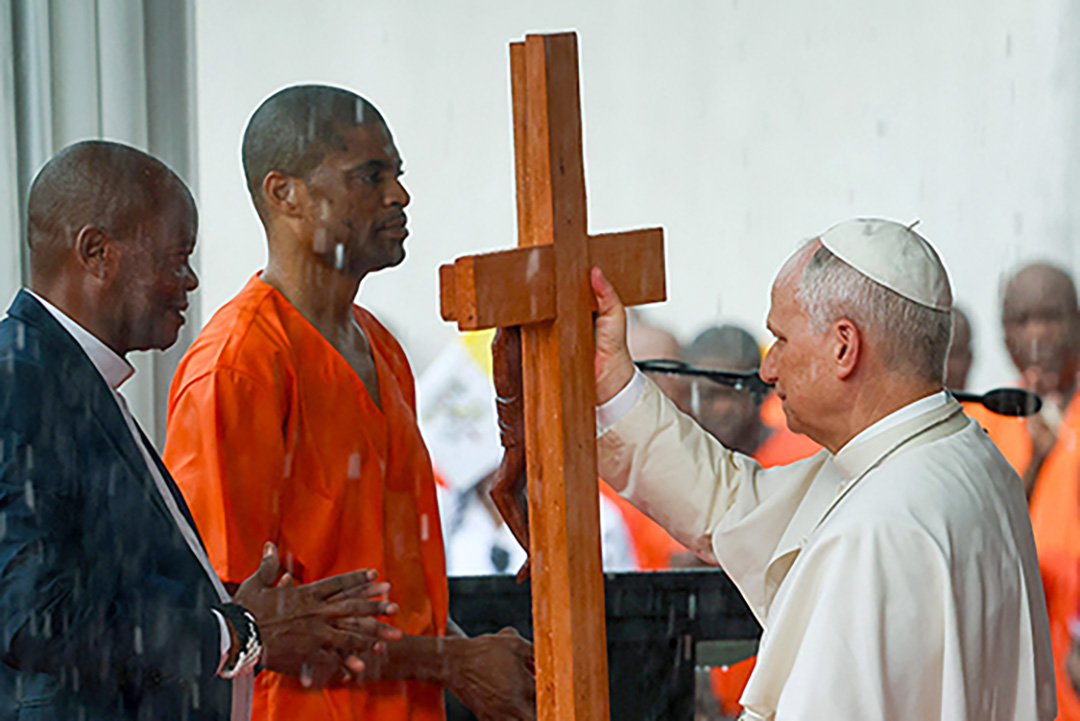
Pope Leo XIV Forges Ahead with Francis’ Ecological Legacy
One year in, Pope Leo XIV remains focused on the ecological conversion while pressing policymakers to address worsening environmental conditions.
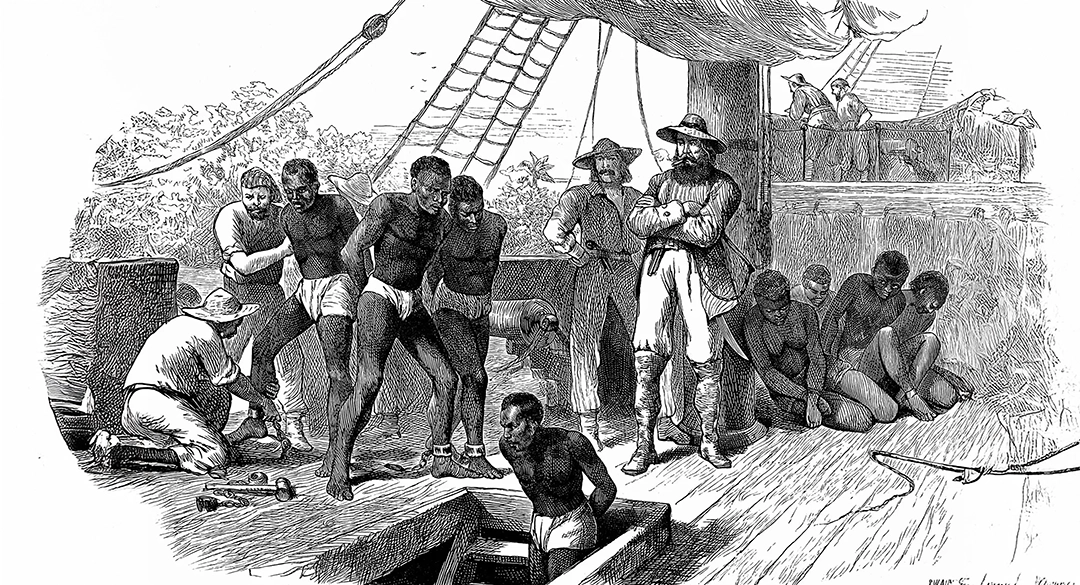
UN Historical Resolution
Slave trade is “the most serious crime against humanity”, says the UN General Assembly which calls for reparation.
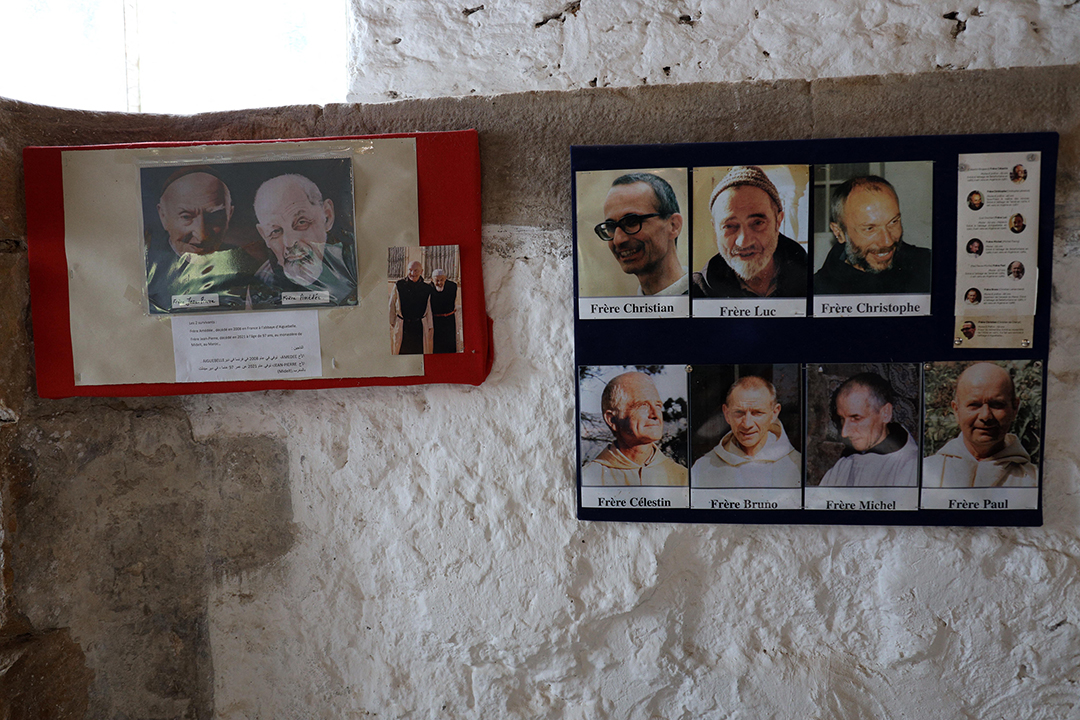
Algiers: The Church Remembers Its Martyrs
Thirty years ago, seven Trappist monks were killed because of their faith. They were beatified in 2018 alongside twelve other martyrs.
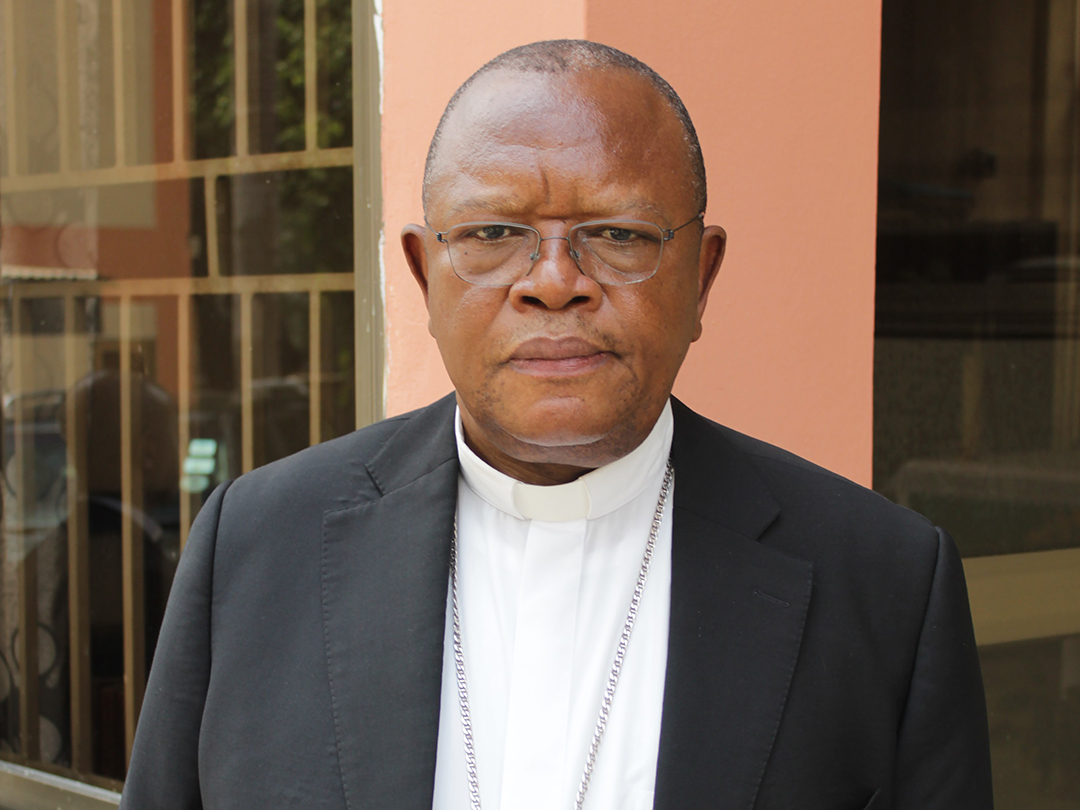
On Social Tensions and Acts of Violence Targeting Nationals of Other African Countries in South Africa: “Am I My Brother’s Keeper?” (Gen 4:9)
The Symposium of Episcopal Conferences of Africa and Madagascar (SECAM), the body for communion, consultation, and coordination of the Catholic Church in Africa and the neighbouring islands, is deeply concerned about the recent events in the Republic of South Africa, which have been marked by acts of xenophobic violence against nationals of other African countries.