
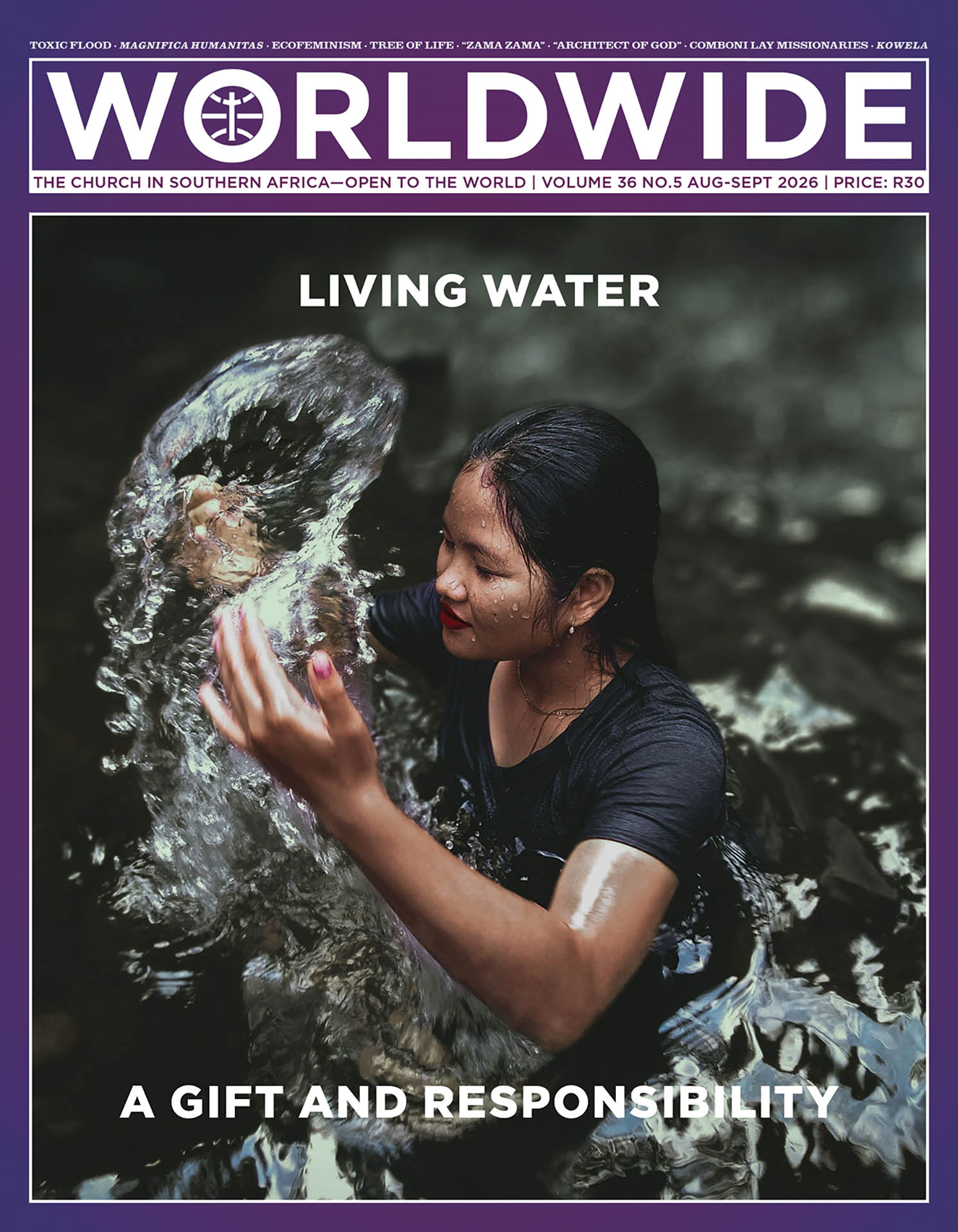
LIVING WATER
Every act of care for creation becomes part of a global stream of hope.
The cover page is inspired by the 2026 Season of Creation theme. In this season, our hope is that “Christians would be immersed in the living water flowing from the throne of God, stepping in deeper and deeper, inspired by the Spirit of God, working together for the renewal of Creation”
(Cf seasonofcreation.org).
Focus • Life Lesson
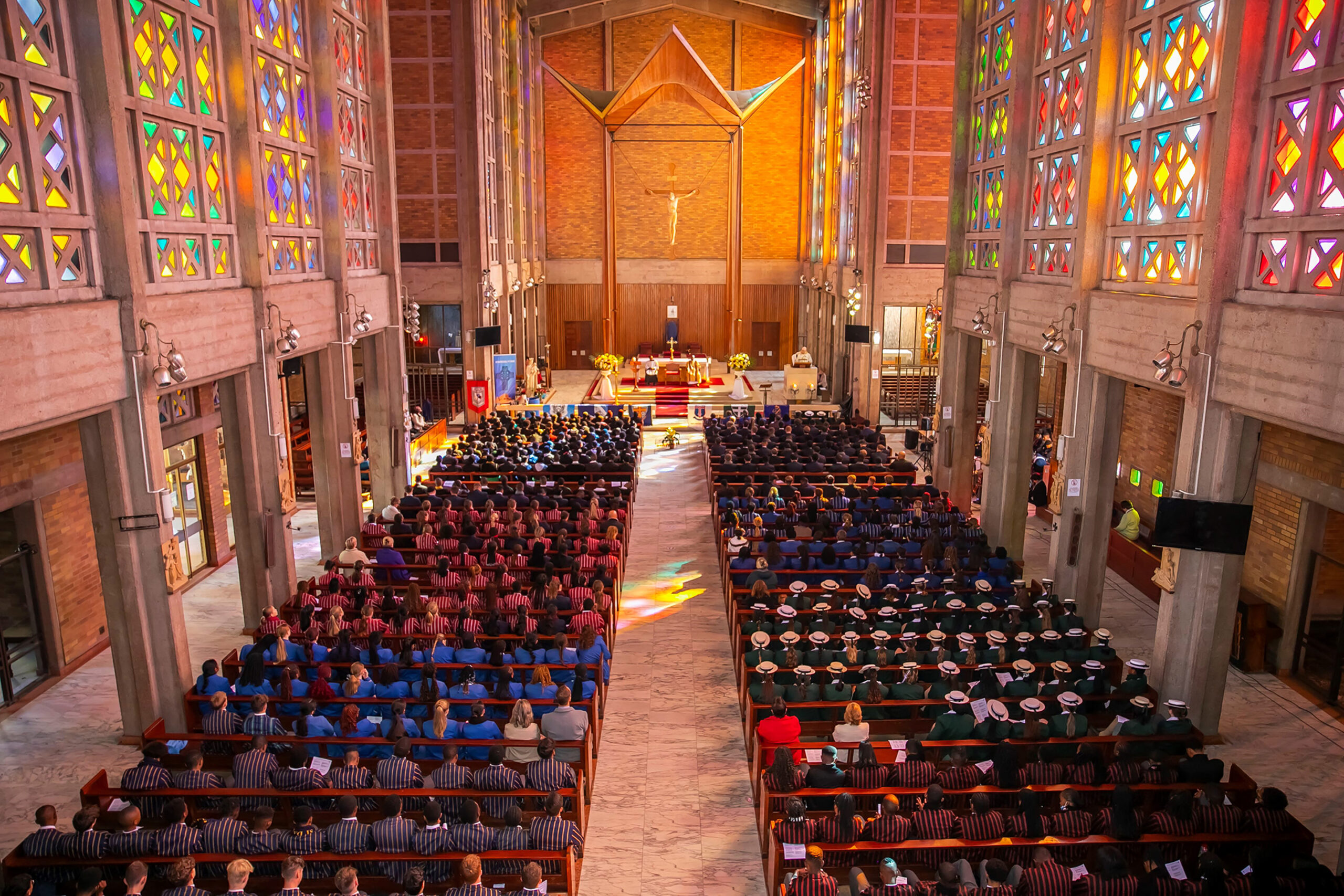
Catholic Schools Week: Walking in the Footsteps of St Francis
Report By Rosa Calaça | Catholic Schools Office (CSO),
Archdiocese Of Johannesburg
Interview By Fr Robert K Ndungu, MCCJ
FOR MORE than a decade, Catholic Schools in the Archdiocese of Johannesburg and Pretoria have marked Catholic Schools Sunday and Week as a joyful celebration of the distinctive mission and identity of Catholic education. More than an annual event, Catholic Schools Week is an opportunity to give thanks for the rich legacy of the missionaries and founders who established our schools, and to renew our commitment to the Church’s mission of forming young people in faith, service and hope.
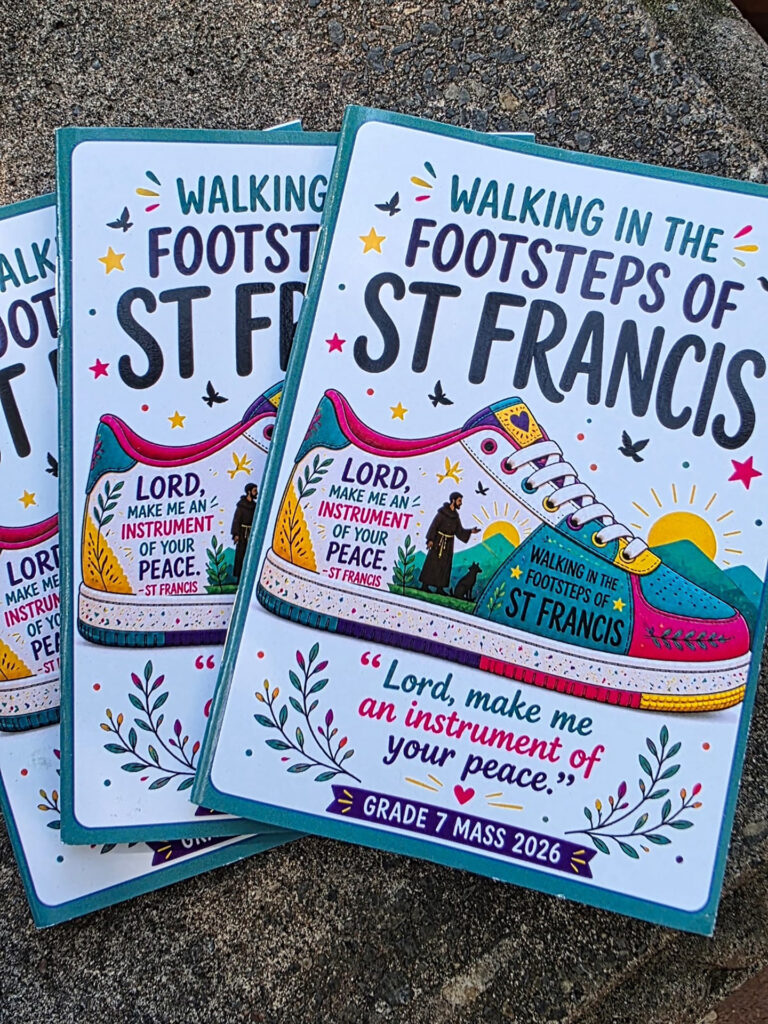
This year, we embraced the theme, “Walking in the Footsteps of St Francis,” using Catholic Schools Week as the culmination of a year-long journey inspired by the saint’s living examples of peace, compassion, care for creation and love for the poor. These Franciscan values resonate deeply with the 2026 National Catholic Schools theme, “Blessed are the Peacemakers” (Matthew 5:9), as school communities celebrated the many ways learners and staff have become instruments of Christ’s peace through prayer, service, reconciliation and care for others. In our schools, this theme has a profound and practical meaning. As educators and leaders, we are entrusted with forming young people to become bridge-builders in their families, communities, and society. Inspired by the life of St Francis, many schools participated in outreach projects and served the poor and those who are suffering.
Solidarity with Humanity
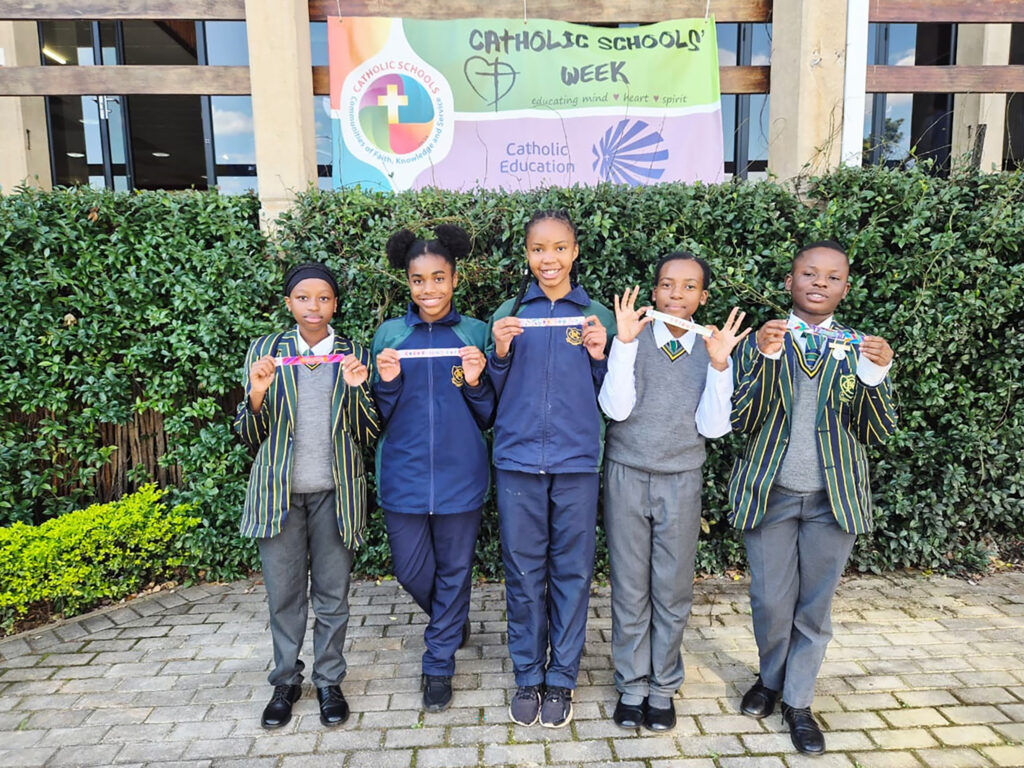
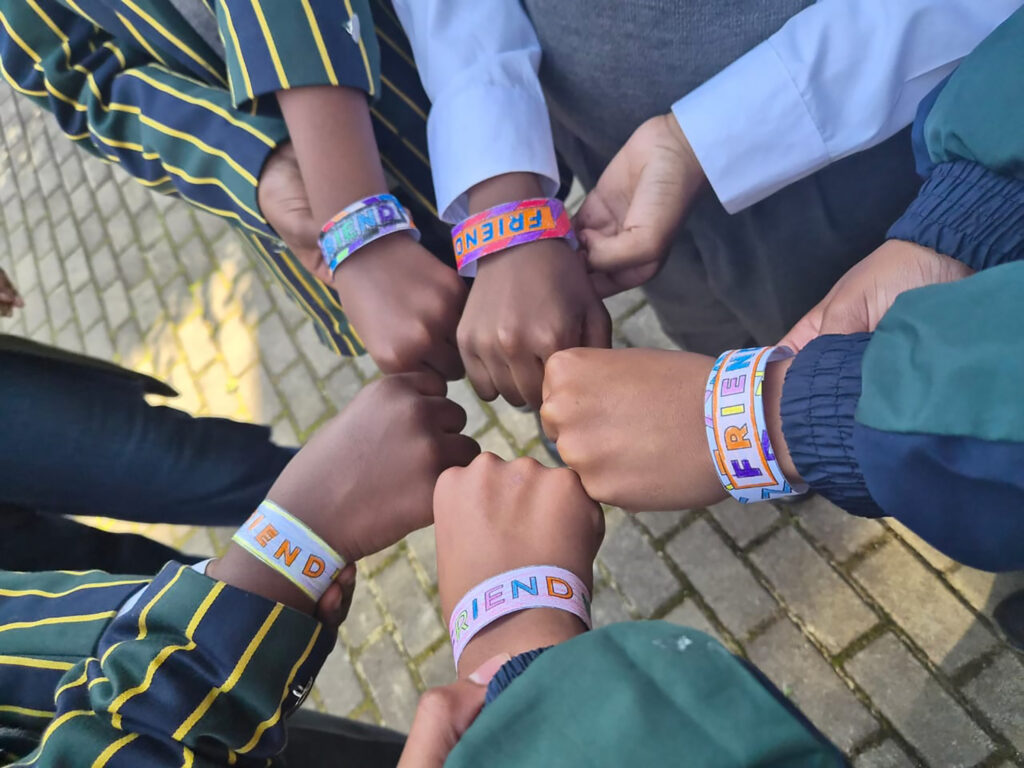
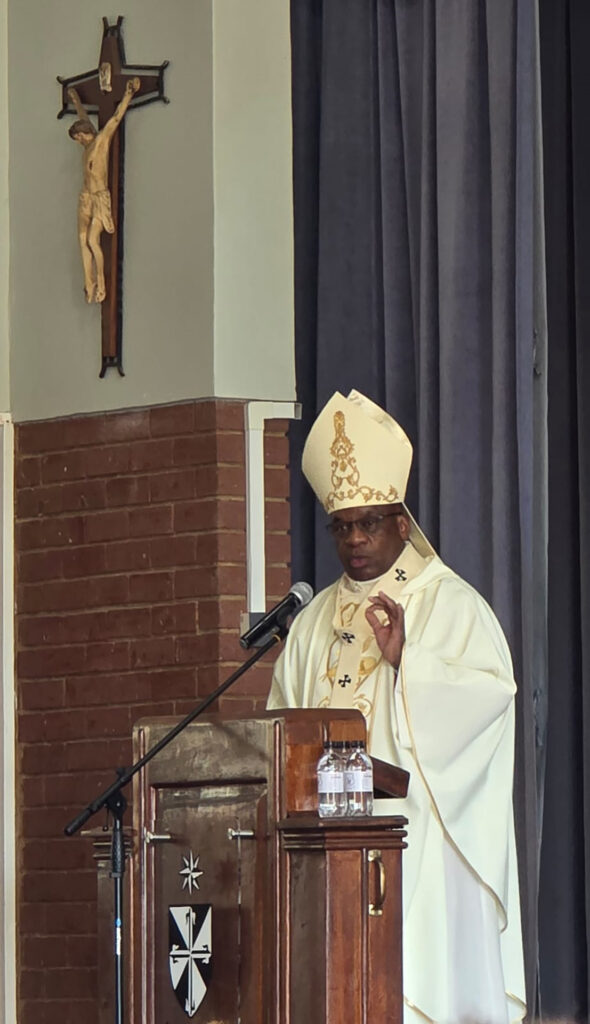
Another Franciscan theme was ‘Brotherhood and Sisterhood’, where schools ran ‘Acts of kindness’ campaigns, and some made friendship bracelets, giving everyone a sense of belonging. A highlight of Catholic Schools Week in the Johannesburg Catholic Schools was the Grade 11 Mass at the Cathedral of Christ the King. This year, representatives from each school shared the way in which their schools are walking the Footsteps of St Francis. The Pretoria schools ended Catholic Schools Week with the Grade 7 Mass, hosted this year by St Paulus Primary School. The Holy Eucharist was presided over by His Grace, Archbishop Dabula Mpako of the Archdiocese of Pretoria.
The Worldwide editor had the opportunity to interview Rosa Calaça from the Catholic Schools Office on some pertinent issues concerning Catholic education. The following were her responses to the editor’s questions:
How do Catholic schools or children in South Africa live the theme of “Walking in the Footsteps of St Francis” practically in these turbulent times, especially amid xenophobic tensions?
St Francis of Assisi remains one of the Church’s greatest witnesses to peace, fraternity, humility, and care for every person. To walk in his footsteps today is to choose compassion over fear, dialogue over division, and encounter over prejudice.
Our mission is to educate the whole person—mind, heart, and spirit.
In South Africa, where economic hardship and social tensions can easily give rise to suspicion and xenophobia, Catholic schools have a unique responsibility to form young people to recognise the dignity of every human being. Our classrooms bring together learners from different cultures, languages, nationalities, and socio-economic backgrounds. This diversity is not a challenge to overcome but a gift to celebrate.
Catholic education seeks to help learners understand that every person is created in the image and likeness of God. Through prayer, service projects, outreach programmes, restorative justice practices, and daily relationships, our schools encourage children to become bridge-builders who reject discrimination and welcome the stranger. In doing so, they become ambassadors of reconciliation and hope, living the Gospel values that St Francis embodied. The past few weeks have been a particularly traumatic time for some of our schools that are part of communities where this tension has played out as vigilante groups have threatened the community.
Is Catholic education still relevant in a South African society that is becoming increasingly secular?
We believe Catholic education is more relevant today than ever before. Catholic schools do not exist simply to preserve religious traditions; they exist to form young people who are intellectually capable, morally grounded, spiritually aware, and committed to serving society.
Our mission is to educate the whole person—mind, heart, and spirit. We encourage academic excellence alongside integrity, compassion, critical thinking, and social responsibility. These values are not only important for Catholics; they are essential for building a just and peaceful society.
Many families continue to choose Catholic schools because they recognise that education is about more than examination results. They seek schools where values are lived, where every learner is known and respected, and where young people are encouraged to become people of character who will contribute positively to their communities and our nation.
What is the future of Catholic education with the decreasing number of religious vocations and religious who traditionally ran Catholic schools?
The contribution of Religious Sisters, Brothers, and Priests to Catholic education has been immeasurable. Their vision, sacrifice, and commitment laid strong foundations that continue to shape our schools today.
While the number of Religious actively serving in schools has declined over the years, the commitment and passion of those entrusted with upholding the ethos and identity of Catholic schools, is encouraging. Increasingly, educators, school leaders, governors, and parents are embracing their calling as partners in the Church’s educational mission. In recent years, religious congregations who own schools and are aware of their decreasing numbers, have come together to establish trusts, councils and associations as ownership structures, to fulfil an oversight governance role.
The future of Catholic education will not be determined by our resources alone, but by our faithfulness to Gospel values that define our mission. Catholic schools have never been simply buildings or institutions; they are communities of faith, learning, and service. If we continue to invest in the formation of teachers and leaders, strengthen our Catholic identity, and nurture a culture of service and excellence, Catholic education will remain vibrant and relevant for generations to come.
What do you say in a parting shot?
Catholic Schools Week reminds us that education is one of the most powerful ways of transforming society. Every lesson taught with integrity, every act of kindness, every child encouraged to discover his or her gifts, and every commitment to justice helps build the South Africa we all long for.
The world does not need schools that simply produce successful individuals; it needs schools that form peacemakers, servant leaders, and women and men of compassion.
In these challenging times, the world does not need schools that simply produce successful individuals; it needs schools that form peacemakers, servant leaders, and women and men of compassion. Walking in the footsteps of St Francis means choosing reconciliation over conflict, generosity over fear, and hope over despair. Every Catholic school is called to be a living sign of the Gospel—a community where every child is welcomed, every person is valued, and every learner is formed to become an instrument of God’s peace. If we remain faithful to that mission, Catholic education will continue to be a light for South Africa and a blessing for generations to come.
The Truth of Power and the Power of Truth: War, Peace, and Prophetic Witness In South Africa
In this article, the author invites us to see war not only in battles, but in every act that strips away human dignity. He challenges the church to rise, rooted in Black Theology and Catholic Social Teaching, to embody Christ’s liberating peace in South Africa today.